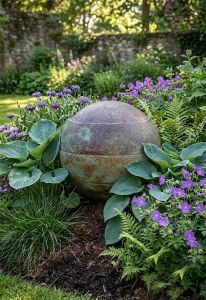
Companion urns for ashes, urns for two persons
A companion urn is chosen when two people, or sometimes two beloved pets, are to be remembered in one shared form. For partners, spouses, parents, close relatives or two lives that were deeply connected, a double urn can offer a calm and symbolic place of remembrance.
Companion urns are also called double urns, duo urns, family urns or urns for two people. Some models hold both sets of ashes in one shared inner space. Others have two separate ash chambers, so the ashes remain divided inside one outer memorial. There are also matching urn sets, where two individual urns are designed to belong together while still remaining separate.
A companion urn does not always need to be filled with both sets of ashes at the same time. Some families choose one after both people have died. Others choose a companion urn for one person now, with space or a separate chamber for a future placement later. This should always be checked carefully against the urn design, capacity and family wishes.
What is a companion urn?
A companion urn is a cremation urn designed for two sets of ashes. It may be used for two adults, partners, parents, two closely connected loved ones, or in some situations for two pets. The exact suitability depends on the inner capacity, the number of ash chambers and the way the urn will be placed or kept.
A companion urn is different from a standard single adult urn because it needs more internal capacity. It is also different from cremation ashes keepsakes, which are usually designed to hold only a smaller symbolic portion of ashes.
When is a companion urn a suitable choice?
A companion urn may be suitable when the shared memory is an important part of the choice. This can be for spouses, life partners, parents, close relatives or two people whose lives were strongly connected.
- For partners or spouses: a companion urn can express a bond that remains visible in one shared memorial.
- For parents or relatives: one urn can create a clear place of remembrance for two family members.
- For future placement: some families choose a double urn with one chamber used now and another reserved for later.
- For a shared resting place: a companion urn may be considered for a cemetery plot, cremation plot, columbarium niche or memorial setting, if the location allows it.
- For two pets: some companion-style urns may be suitable for two pets, but always check the capacity against the pets’ combined ashes.
Companion urn, double urn or two separate urns?
The right choice depends on whether the ashes should be kept together, kept separate inside one urn, or placed in two individual urns. This is both an emotional and practical decision. Family wishes, cemetery rules, future plans and the amount of ashes all matter.
Choosing between a companion urn and separate urns
| Option |
Often suitable when |
What to check |
| Companion urn with one shared chamber |
You want both sets of ashes to be placed together in one inner space. |
This is symbolic, but less flexible if the ashes may need to be separated later. |
| Companion urn with two separate ash chambers |
You want one shared outer memorial while keeping both sets of ashes separate inside. |
Check carefully that the model has two separate chambers and enough capacity in each chamber. |
| Matching urn set |
You want two urns that visually belong together but can still be placed separately. |
This is more flexible if family members later choose different locations. |
| Two individual urns |
Each person should have a separate urn, design or resting place. |
This may be more practical for cemetery rules, family wishes or future decisions. |
What size companion urn do I need?
Size is one of the most important points when choosing a companion urn. For one adult, many full-size cremation urns hold about 3 to 3.5 litres, or approximately 183 to 213 cubic inches. For two adults, a companion urn usually needs about 6 to 7 litres, or approximately 366 to 427 cubic inches.
The exact amount of ashes can vary. Body size, bone structure, the cremation process and whether ashes remain in a cremation container or bag can all make a difference. If you are unsure, ask the crematorium or funeral director for the actual volume, or choose a companion urn with enough reserve.
For more detailed guidance, read our urn size guide or view our wider collection of cremation urns for ashes.
Approximate companion urn capacity guide
| Situation |
Usual capacity to consider |
Practical note |
| One adult |
About 3 to 3.5 litres / 183 to 213 cu in |
Usually a standard adult cremation urn is suitable. |
| Two adults |
About 6 to 7 litres / 366 to 427 cu in |
Choose a companion urn or two separate adult urns with enough reserve. |
| Two people with very different ash volumes |
Depends strongly on the individual situation |
Ask the funeral director or crematorium for the actual ash volume before choosing. |
| Two pets |
Depends on the combined weight before cremation |
Use the actual ash volume or pet weight guidance and check the urn capacity carefully. |
| Only part of the ashes |
A smaller symbolic amount |
A keepsake urn, mini urn or matching keepsake set may be more suitable. |
Important: always check both the internal capacity and the external dimensions. Capacity tells you whether the urn can hold the ashes. External dimensions tell you whether it will fit at home, in a cabinet, cemetery plot, urn grave or columbarium niche.
Can ashes be divided between a companion urn and keepsakes?
Yes. Some families place most of the ashes in a companion urn and keep a small symbolic amount separately in a keepsake urn, mini urn or ashes jewellery. This can be helpful when several family members want a personal remembrance.
If the ashes will be divided, the required capacity of the companion urn may change slightly. A funeral director or crematorium can help divide the ashes carefully if you do not want to do this yourself. It is also worth deciding in advance whether both sets of ashes will be divided in the same way.
Practical note: if ashes will be used for jewellery, keepsake urns or several family memorials, ask how much will remain for the companion urn before choosing the final size.
Questions to ask before choosing a companion urn
A companion urn is often chosen in an emotional moment. A few practical questions can help prevent uncertainty later, especially if the urn will be used in a cemetery, columbarium or shared family memorial.
Practical questions before ordering
| Question |
Why it matters |
| Should the ashes stay separate? |
Choose a model with two ash chambers or a matching set of two separate urns. |
| Will both sets of ashes be placed now? |
If one chamber will be reserved for later, make sure the design and closure make future placement possible. |
| Where will the urn be kept or placed? |
Home, cemetery, urn grave, columbarium and outdoor placement can all require different materials and dimensions. |
| Will some ashes be divided? |
If ashes are also used for keepsake urns, mini urns or ashes jewellery, the required capacity may change. |
| Should the urn be personalised? |
Names, dates, symbols and engraving depend on the material, surface and design. |
Companion urns for home placement
Many families keep a companion urn at home, especially when the urn is part of a private place of remembrance. This may be a sideboard, shelf, cabinet, bedroom, quiet corner or a small memorial area with a photo, candle or flowers.
For home placement, the appearance and feeling of the urn often matter as much as the material. A calm ceramic urn, a bronze sculpture, a heart-shaped urn, a natural stone urn or a modern stainless steel design can all be suitable indoors. Choose a shape that feels appropriate for the two people or companions being remembered.
Companion urns for cemeteries, urn graves and columbariums
If a companion urn will be placed in a cemetery, churchyard, urn grave, memorial garden or columbarium niche, always check the rules before ordering. Companion urns are often larger than single urns, so maximum dimensions are especially important.
Ask the cemetery, crematorium, churchyard office, funeral director or local authority whether a double urn is allowed, what size is permitted, which materials are accepted and whether a sealed or biodegradable urn is required. Our blog about urns and ashes in cemeteries gives a practical list of questions to ask before buying.
Good to know: if the chosen place has a fixed niche or grave space, measure the available height, width and depth before choosing the urn. External dimensions matter as much as internal capacity.
Companion urns for outdoor placement
If a companion urn will stand outdoors, the material must be suitable for rain, frost, moisture, sunlight and temperature changes. Not every urn is suitable for long-term outdoor placement.
Bronze, natural stone and stainless steel are often chosen for outdoor memorials, depending on the exact model and finish. Ceramic, glass and some mixed-material urns are usually better suited to indoor or sheltered placement unless the product page clearly states otherwise.
For more general guidance, you can also read our blog about which ashes urns are suitable for outdoors or our page about keeping cremation ashes in the garden.
Materials for companion urns
The material influences the appearance, weight, durability and suitable placement of a companion urn. Always check the individual product page, because suitability can differ by finish, closure, coating and construction.
Common materials for companion urns
| Material |
Appearance and character |
Often suitable for |
| Bronze |
Durable, artistic and substantial. Bronze may develop a natural patina over time. |
Home, many outdoor settings, memorial places and some cemetery placements, depending on the model. |
| Natural stone |
Timeless, calm and solid. Each stone structure is naturally unique. |
Home, outdoor placement, cemeteries and lasting memorial settings, depending on the finish. |
| Stainless steel |
Modern, strong and understated, with a clean contemporary look. |
Home and outdoor placement, depending on grade, finish and construction. |
| Ceramic |
Soft, handcrafted and personal, often with warm shapes or symbolic details. |
Mainly indoor use, or sheltered outdoor use only when the product is specifically suitable. |
| Glass or mixed materials |
Decorative, light-reflecting and artistic. |
Mostly indoor or protected placement. |
Heart-shaped companion urns
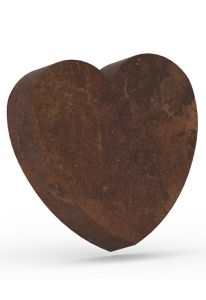
A heart-shaped companion urn can be a meaningful choice when love, closeness and shared life are central to the memorial. The heart shape is often chosen for partners or spouses, but it may also be suitable for two people whose bond was especially close.
You can explore our collection of heart urns for ashes. One example is the bronze heart companion urn, which can be suitable for indoor or outdoor placement depending on the specific setting.
Companion urns with a candle holder
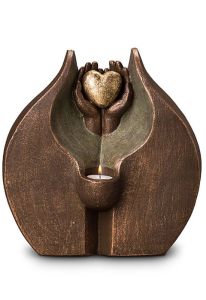
Some companion urns include a place for a candle. This can be meaningful if you want to create a small ritual of remembrance on birthdays, anniversaries, wedding days, remembrance days or quiet evenings at home.
A candle holder can make the urn feel less like a container and more like a shared memorial place. One example is the ceramic companion urn “Eternal Engagement”, a symbolic design with a gentle place for candlelight.
Safety note: always place candles carefully and never leave a burning candle unattended. If the urn will stand outdoors, check whether both the urn and candle holder are suitable for that setting.
Companion urns for two pets
Some families look for a double urn for two pets, for example two dogs, two cats or two animals that lived closely together. This can be a fitting choice when their companionship was part of family life.
For pets, capacity should be based on their combined weight before cremation or the actual amount of ashes. A full-size companion urn may be larger than needed for small pets, while two larger pets may still require careful capacity checking. You can compare options in our pet urns collection.
When are two separate urns a better choice?
A companion urn is not always the most practical or most personal solution. Sometimes two separate urns are better, even when the emotional connection is strong.
When two separate urns may be more suitable
| Situation |
Why separate urns may help |
| Different resting places are wanted |
Family members may wish to keep or place the ashes in different locations. |
| Cemetery or columbarium rules are strict |
Two smaller urns may fit where one larger double urn does not. |
| The people had very different personalities |
Two individual designs may feel more true to each person. |
| Future decisions are not final yet |
Separate urns can leave more flexibility for later placement or family wishes. |
Can a companion urn be personalised?
Many companion urns can be personalised, depending on the material and design. Names, dates, initials, a short message, a symbol or a small engraving plate may be possible. For two people, a simple and balanced engraving often works best.
If you have a specific idea, such as a particular symbol, shape, colour, finish or custom design, you can also ask about a custom-made urn. Not every material is suitable for every form of customisation, so we will always advise realistically and carefully.
Frequently asked questions about companion urns
What is a companion urn?
A companion urn is a cremation urn designed to hold the ashes of two people, or in some cases two pets. Depending on the model, it may have one shared inner space or two separate ash chambers.
What is the difference between a companion urn and a double urn?
The terms are often used for the same type of urn. A companion urn, double urn or duo urn usually refers to an urn designed for two sets of ashes.
How large should a companion urn be for two adults?
For two adults, a companion urn usually needs about 6 to 7 litres, or approximately 366 to 427 cubic inches. The exact amount can vary, so it is wise to check with the crematorium or funeral director when in doubt.
Can a companion urn have two separate ash chambers?
Yes. Some companion urns have two separate ash chambers. This is useful when one shared outer memorial is desired, but the ashes should remain separate inside.
Can one chamber be used now and the other later?
Sometimes, yes, depending on the design. If future placement is important, check whether the urn has two separate chambers and whether the second chamber can be accessed later in a respectful and practical way.
Can ashes be divided between a companion urn and keepsakes?
Yes. Some families keep most of the ashes in a companion urn and place a small symbolic amount in keepsake urns, mini urns or ashes jewellery. If this is planned, check how much ash will remain for the companion urn before choosing the size.
Can a companion urn be kept at home?
In many cases, a companion urn can be kept at home. Choose a stable, dry and respectful place, and consider the urn size, material and whether children or pets may be nearby.
Is a companion urn suitable for a cemetery or columbarium?
It depends on the rules and available dimensions of the cemetery, urn grave or columbarium niche. Companion urns are often larger than single urns, so always check the permitted size before ordering.
Can a companion urn stand outdoors?
Some companion urns are suitable for outdoor placement, but not all materials are suitable for rain, frost, moisture and sunlight. Check the product description and the rules of the chosen location.
Can a companion urn be used for two pets?
In some cases, yes. The urn must have enough capacity for the combined ashes. For two pets, capacity should be based on their combined weight before cremation or the actual amount of ashes.
When are two separate urns better than one companion urn?
Two separate urns may be better when the ashes will be placed in different locations, when cemetery rules limit size, or when family members want more flexibility for future decisions.
Can a companion urn be personalised?
Many companion urns can be personalised with names, dates, initials, symbols, engraving or a custom design. The options depend on the material, surface and model.
Need help choosing a companion urn?
Choosing a companion urn is personal and practical at the same time. You may be comparing one shared chamber, two separate chambers, a matching urn set, capacity for two adults, cemetery placement, home placement, materials, heart shapes, candle holders, ashes jewellery, keepsakes or personalisation.
If you have questions about the right size, separate ash chambers, future placement, dividing ashes, materials, outdoor suitability or a custom companion urn, please contact legendURN. We will be happy to help you choose carefully and calmly.



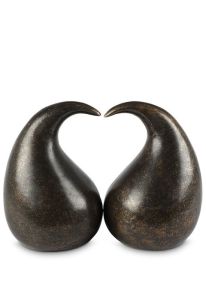




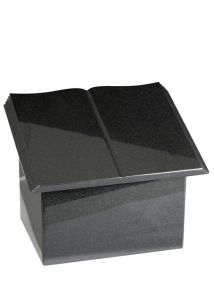
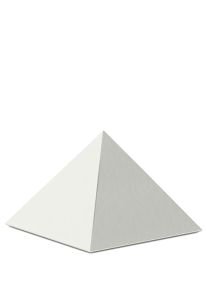
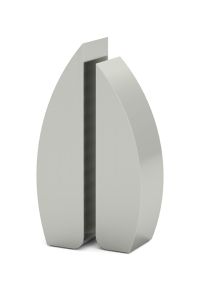
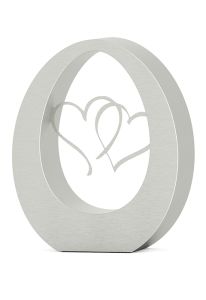
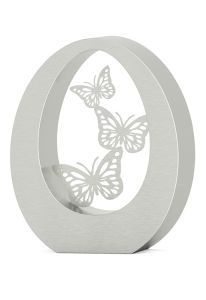

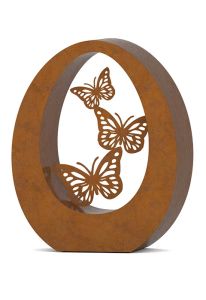
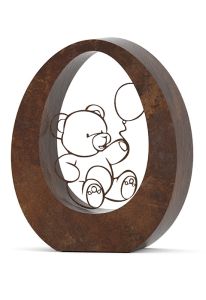 Bronze cremation ashes (companion) urn 'Oval Bear' for adults5,044.00 VAT included
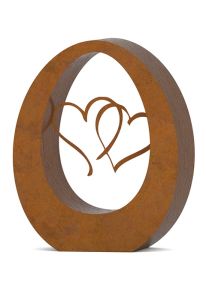
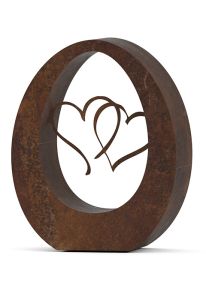 Bronze cremation ashes (companion) urn 'Oval Hearts' for adults5,044.00 VAT included
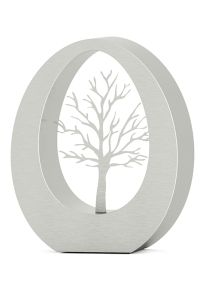
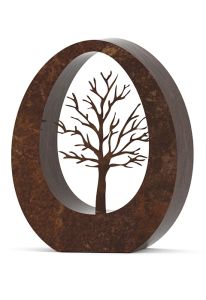 Bronze cremation ashes (companion) urn 'Oval Tree' for adults5,044.00 VAT included
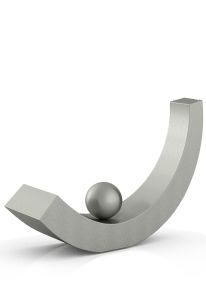
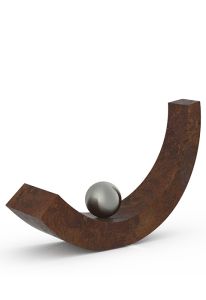 Bronze cremation ashes (companion) urn 'Path of life' for adults3,565.00 VAT included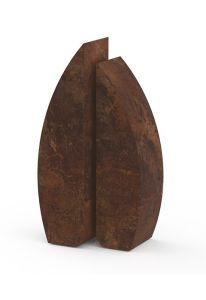


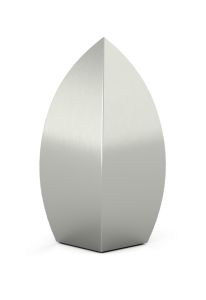
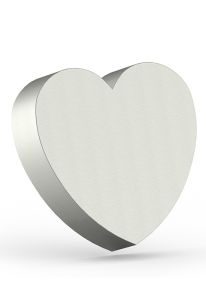

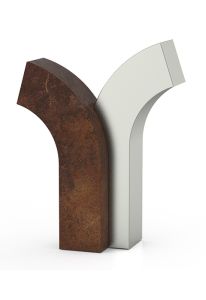
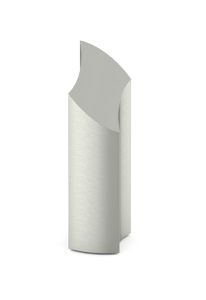
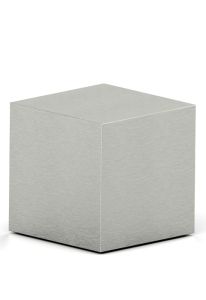
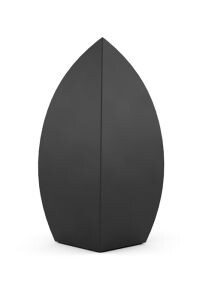
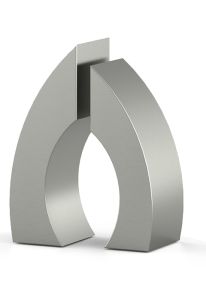
 Stainless steel adult cremation double or companion urn 'The path of life'2,322.00 VAT included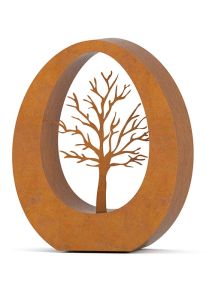


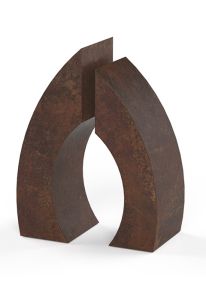
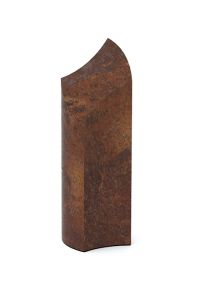
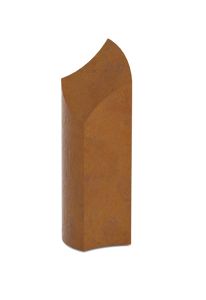
 Corten steel adult cremation double or companion urn 'The path of life'1,784.00 VAT included