Inspirational Blogs
Can Ashes Be Moved From a Columbarium Niche in Ireland?
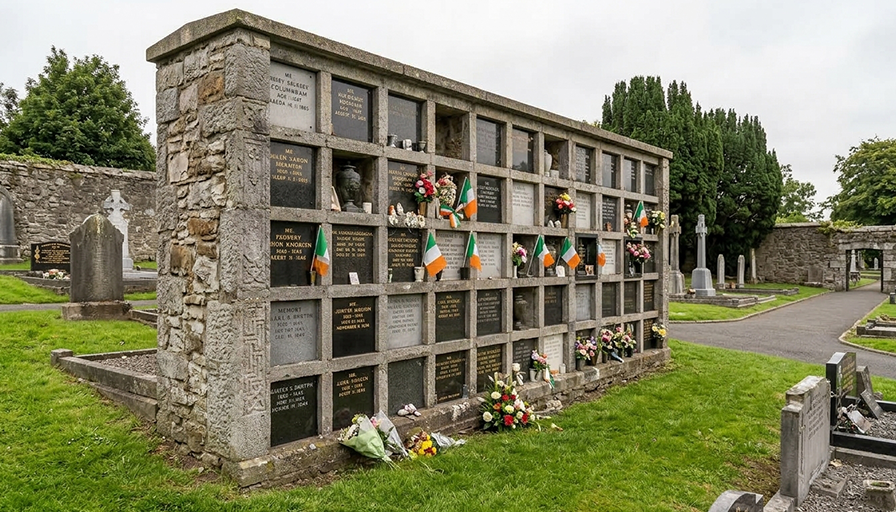
Cremation ashes can sometimes be moved from a columbarium niche to another resting place in Ireland, but the arrangements must be agreed with the organisation responsible for the niche. The person requesting the move may need to provide proof of authority, obtain consent and meet other requirements. Moving an urn from an above-ground niche is not necessarily the same as exhuming buried remains. This guide explains the permissions, practical steps and possible costs, helping families make an informed decision.

Choosing a Dog Urn for Ashes: Size, Style and Material Guide
A dog’s place in the family is built through thousands of ordinary moments: familiar footsteps, daily walks, a favourite sleeping spot and the quiet companionship that becomes part of home life. After cremation, choosing an urn can provide a permanent place for that connection. The most suitable dog urn is not simply the most decorative one. Capacity, where the urn will be kept, material, design, personalisation and whether you want to keep all or only part of the ashes are usually the most important considerations.

How Long Will a Crematorium Hold Ashes in Ireland While You Decide?
If you are not yet sure whether cremation ashes should be kept, buried, scattered or shared between family members, you do not necessarily have to make that decision immediately. In the Republic of Ireland, there is no single collection period that you should assume applies to every crematorium. Some crematoria specify a collection period, while others will hold ashes for a short time while arrangements are made. You can also usually collect the ashes in their temporary container and decide on a permanent urn or final resting place later.
What Happens to Uncollected Cremation Ashes in Ireland?
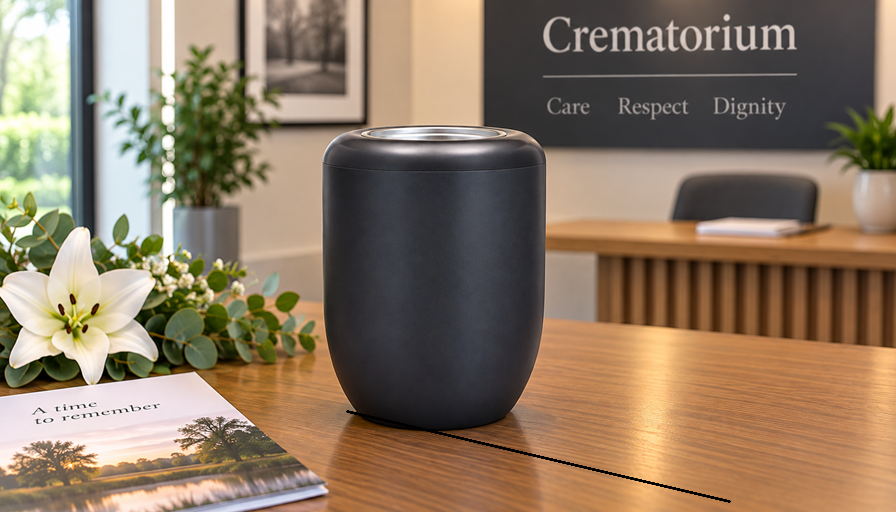
Cremation ashes are not treated as ordinary waste simply because they have not been collected. In Ireland, the ashes will usually remain in the care of the crematorium or funeral director pending collection or further instructions. There is no single national retention period that applies to every crematorium, so procedures can differ. If you realise that ashes have been left uncollected, contacting the crematorium or funeral director as soon as possible is usually the most useful first step.
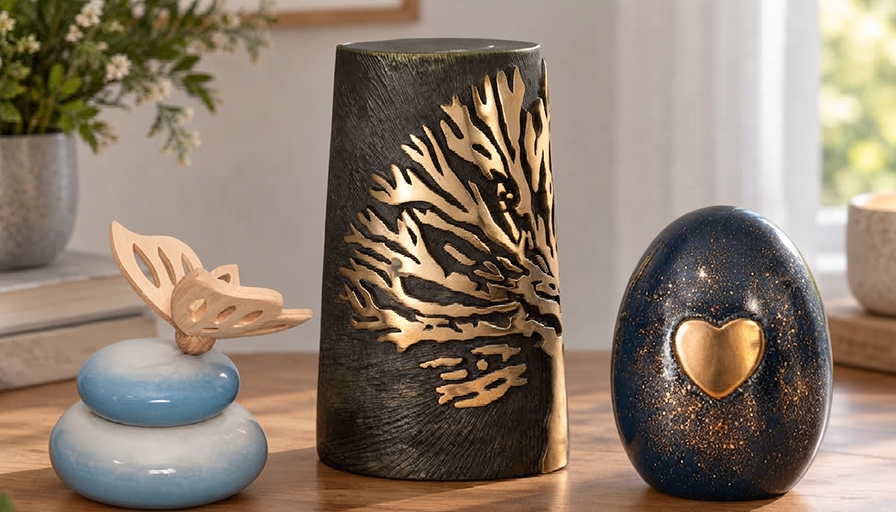
Symbols of Remembrance: What Memorial Urn Designs Can Represent
A symbol on a memorial urn can express something that words cannot always capture. Butterflies are often associated with transformation, trees with family and continuity, hearts with love, and birds with freedom or peace. Yet these meanings are never fixed. A symbol may carry a traditional, cultural or spiritual meaning, but its most important meaning can be entirely personal. Understanding common memorial symbols can provide inspiration while helping you choose a design that genuinely reflects the person you are remembering.
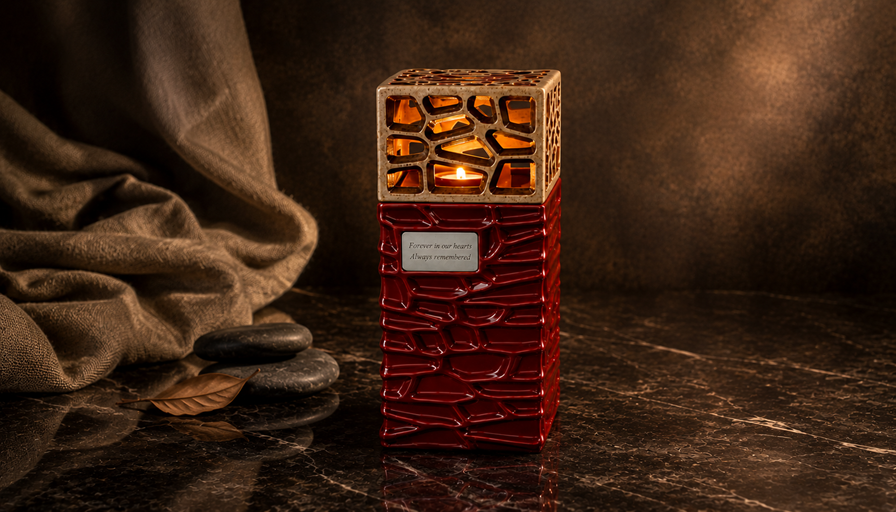
Choosing an Adult Urn That Reflects a Life Story
An adult urn is often one of the most meaningful memorial choices a family will make. It has a practical purpose, but it can also reflect a person’s character, values, interests and the memories they leave behind. This guide explains how to choose an urn that tells part of a life story, from material, colour and design to personalisation, placement and urn capacity.

How to Create a Digital Time Capsule for Family Memories
A digital time capsule brings photographs, voices, videos, letters and personal stories together so they can still be understood years or generations from now. Unlike a folder of unnamed photographs or files scattered across phones and computers, a thoughtfully organised archive preserves context: who people were, how they spoke, what mattered to them and the everyday details of family life that might otherwise disappear.

What to Write in a Sympathy Card: Examples and Thoughtful Advice
Writing a sympathy card can feel difficult when no words seem sufficient. A meaningful message does not need to be long or perfectly written: it should acknowledge the loss, reflect your relationship with the recipient, and offer sincere support. This guide explains how to build a complete sympathy message and includes examples for friends, family members, coworkers, late cards, and different types of loss.

Travel as a Tribute: Meaningful Ways to Honour a Loved One
Travelling after the loss of someone important can bring mixed emotions. Returning to a favourite destination may offer comfort, while taking a first journey without them can feel difficult. Yet travel can also become a meaningful way to honour a loved one’s memory. Whether you visit a place they cherished, carry a small keepsake, create a private ritual or begin a new family tradition, this guide explores thoughtful ways to remember someone through travel while considering practical arrangements, family wishes and local customs.