Why Pet Memorial Decisions Deserve Time and Clarity
Losing a pet is deeply personal, and grief can make even small choices feel heavy. Yet families are often asked to make practical decisions quite quickly. Whether you are arranging cremation, choosing an urn, deciding whether ashes should be shared, or thinking about where a memorial will be kept, each step matters. Taking a little extra time can help you avoid rushed decisions and create a memorial that truly fits your home, your family, and the bond you shared.
Across both the United Kingdom and the United States, pet cremation has become a common choice. As a result, more families are deciding what to do with ashes and how to create a memorial that feels right in everyday life. Choosing a pet urn, keepsake, or photo memorial is not only about remembrance. It also involves practical questions about size, materials, placement, security, and long-term suitability. This guide walks you through the process in a calm and practical order, so you can make decisions with more confidence.
Key takeaways
- Confirm the cremation type early, especially if you want your pet’s ashes returned.
- Wait until you have a realistic estimate of ash volume before buying a full-size urn.
- Decide where the memorial will be placed before choosing the material, design, and closure type.
Understanding the main pet memorial options
Before choosing a memorial, it helps to understand the most common options available after cremation.
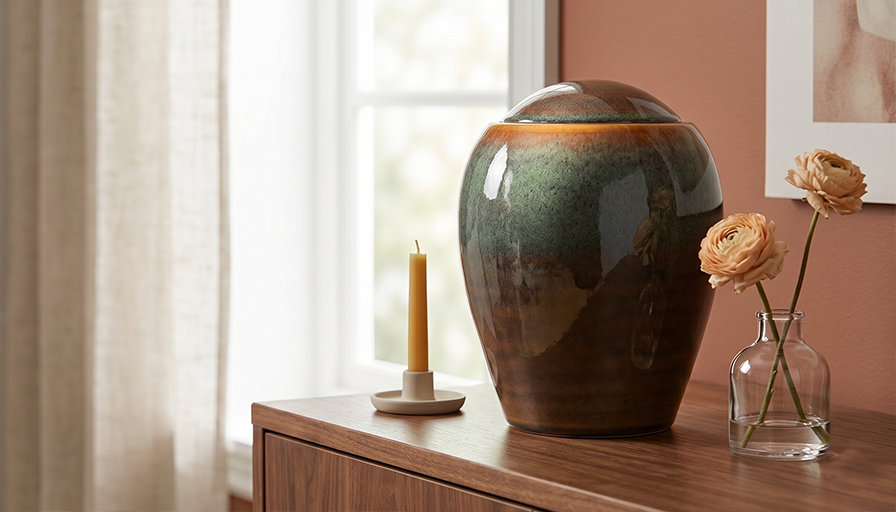
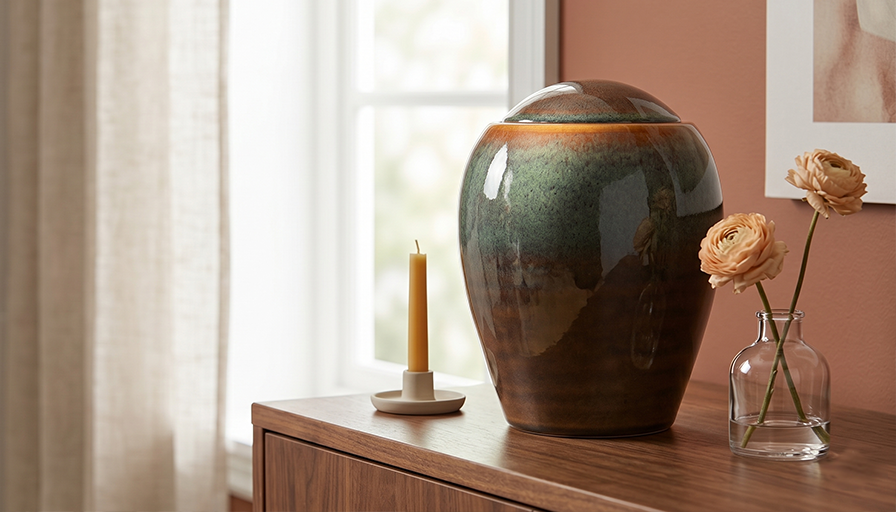
Many families choose a full-size pet urn. This type of urn is designed to hold all of the ashes and is often placed in a living room, bedroom, study, or another meaningful place in the home. It is usually the best option when one household intends to keep the ashes together in one place.
Other families prefer to divide the ashes between relatives. In that case, keepsake urns are often more suitable. These smaller urns hold a portion of the ashes and allow several people to keep a personal memorial. This can be especially meaningful when adult children live elsewhere, when parents live separately, or when more than one family member wants something tangible to keep close.
Some people want a memorial that combines ashes and a visible photograph in one design. A photo frame pet urn can be a practical solution in that situation, especially in smaller homes where people prefer a single, tidy display rather than several separate memorial items.
Each option serves a different purpose. The right choice depends on where the memorial will be placed, whether the ashes will stay together or be divided, and how visible you want the memorial to be in daily life.
A gentle timeline, so you do not feel rushed
Many families feel pressure to choose an urn immediately. In reality, you usually have time. Ashes are often returned within several days, although in some cases it may take longer depending on the provider. You can use that time to think, measure the space where the memorial may be placed, and decide what feels right. If you are unsure, it is completely reasonable to wait until the ashes have been returned and you have a clearer idea of volume before ordering a full-size urn.

12 important things to consider
1. Confirm the type of cremation
One of the first things to clarify is the cremation type. In both the UK and the US, pet cremation is commonly offered as either individual cremation, where your pet’s ashes are returned to you, or communal cremation, where ashes are not returned separately.
If it matters to you that your pet’s ashes are returned, confirm this clearly from the beginning. Ask how identification is handled and how ashes are tracked throughout the process. Families sometimes assume ashes will automatically be returned, only to discover later that communal cremation was selected during a short and emotional conversation. Clarifying this early can prevent unnecessary distress.
2. Confirm the ash volume before buying an urn
Ash volume usually depends largely on your pet’s weight. A widely used guide is about one cubic inch of ash per pound of body weight. This is only an estimate, not an exact rule. Volume can vary based on body structure, the cremation process, and what was cremated with your pet.
A large dog may need a larger urn than many people expect, while a cat or small dog will usually require less space. If possible, ask the crematorium, veterinary practice, or cremation provider for an estimate before making a final purchase.
3. Think about placement first
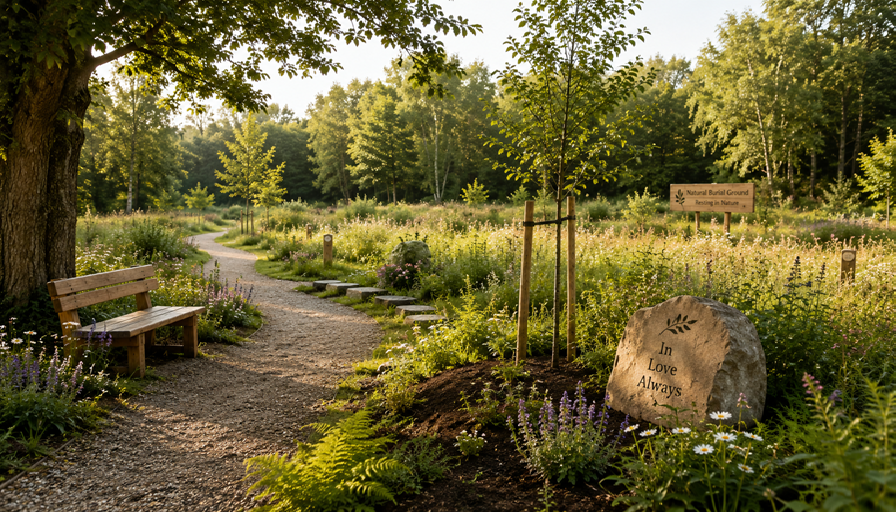
Before choosing a style or material, decide where the memorial will actually be kept. Will it stand on a shelf in the living room, rest on a bedside table, sit in a study, or be placed outdoors in a garden area?
Placement affects almost every other decision. A memorial that looks beautiful in a product photo may not feel right in the room where it will actually be displayed. A material that works well indoors may not be suitable outdoors. Thinking about location first helps narrow your options and reduces the chance of regret later.
If you are considering outdoor placement, look for urns that are specifically described as suitable for outdoor use.

4. Different materials perform differently
Pet urns are commonly made from metal, ceramic, porcelain, wood, stone, or biodegradable materials. Each material has its own strengths, but not every one is suitable for every environment.
Metal urns are often durable and secure. Ceramic and porcelain can offer a softer and more decorative appearance, although they may also be more fragile. Wooden urns often feel warm and natural, but they may respond to dampness or changing humidity over time. Biodegradable urns are usually better suited to burial or water ceremonies than to permanent indoor display.
In the UK, damp conditions may affect certain materials over time, especially if a memorial is kept near a window or in a cooler room. In some parts of the US, strong heat, dry air, or direct sunlight may also play a role. Choosing a material is therefore not only about appearance. It is also about how and where the memorial will be used over the years.
5. Decide early whether ashes will be shared
Many families do not think about sharing ashes until much later. By then, reopening the urn can feel more emotionally difficult than expected. It is often easier to make that decision from the beginning.
Keepsake urns can be a thoughtful solution when several family members want a personal memorial. This may also matter if children later move away, if close relatives live abroad, or if more than one household wants to keep part of the ashes. Planning this early helps avoid both practical and emotional difficulties later on.
6. Take your time with personalization
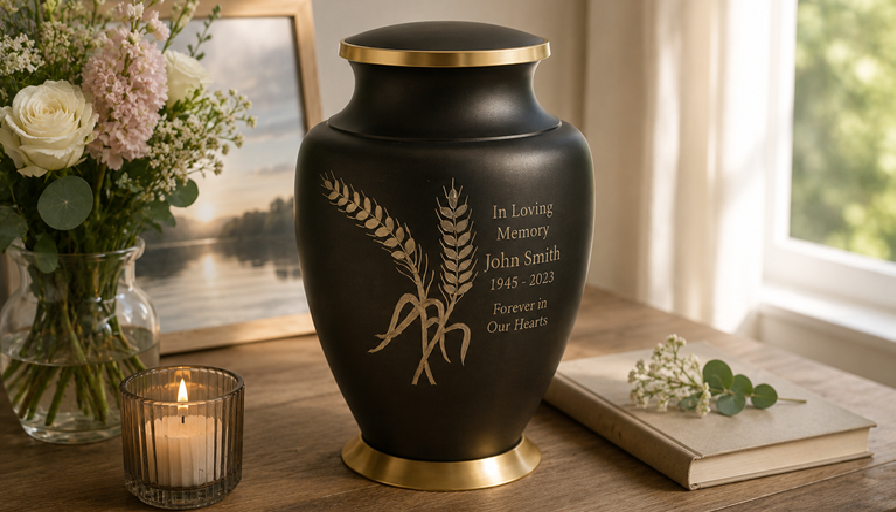
Adding a name, date, paw print, or short message can make a memorial feel much more personal. Even so, these decisions are worth taking slowly.
People sometimes choose wording in the first days of grief that they later wish they had phrased differently. It helps to review spelling, date format, and engraving details carefully before approval. In many cases, simple personalization remains meaningful for longer than a more elaborate message. A name and date often continue to feel right years later, while a longer phrase may feel tied to one specific moment of grief.
7. Understand burial considerations
Some families prefer to bury ashes in a garden rather than keep them indoors. In many situations, burying pet ashes on private property may be possible, but practical details still matter.
If you rent your home, your agreement may affect what is permitted. In some areas, property rules or local guidance may also apply. If you are unsure, ask your landlord or local authority, or check with your vet or cremation provider. It is also worth considering whether you may move in the future and whether the memorial you choose is suitable for burial from the start.
8. Pay attention to lid security
This is one of the most practical details, and one of the most overlooked.
Some urns have threaded lids, while others use lift-off tops, friction-fit closures, or adhesive seals. If the urn is likely to be moved, transported, or kept in a household with children or other pets, closure security matters a great deal.
Before placing ashes inside, check how the lid works and whether it feels secure enough for your situation. In general, a threaded lid provides stronger closure than a simple friction-fit top.
9. Think ahead about future moves or travel
Families move. People downsize. Children grow up and live elsewhere. A memorial that feels permanent now may need to be transported safely in the future.
If you think a move may happen later, it may be wise to choose an urn that can be packed and protected more easily. Metal urns and smaller keepsakes are often easier to transport than delicate ceramic designs. If ashes may need to travel internationally, check airline requirements in advance. Documentation from the crematorium or cremation provider is often needed, and it is much better to know this before travel becomes urgent.
10. Consider photo memorial options
For many families, a memorial feels more complete when a photograph is included. A photo frame pet urn combines an image and ash storage in one object, which can work especially well in smaller homes or smaller spaces.
If you choose this type of memorial, check the photo dimensions before printing. It is a small detail, but one that can make the final display feel more considered and complete.

11. Let children take part in an appropriate way
Children often process loss differently from adults. Some may want to help choose the urn color. Others may want to draw a picture, write a note, or help decide where the memorial should stand.
Allowing children to be involved in a gentle and age-appropriate way often helps them feel included rather than confused. In some families, the main urn remains in a shared room while children keep a small keepsake or remembrance item in their own bedroom. That can create both a shared family memorial and a more personal source of comfort.
12. Plan for permanence from the start
Some families buy a temporary container with the intention of replacing it later. In practice, later is often delayed indefinitely. What was meant to be temporary can remain in place for years.
If you think you want a lasting memorial, it is usually better to choose something suitable from the start. It does not need to be elaborate. A simple, well-chosen urn can feel calm, dignified, and entirely appropriate for the long term.
What to avoid, five common mistakes
- Buying a full-size urn before you have a realistic ash volume estimate
- Placing an urn outdoors if it is not designed for outdoor conditions
- Confirming engraving or dates without carefully checking spelling and format
- Choosing a display spot that is unstable, humid, or in direct sunlight
- Delaying the decision to share ashes when you already suspect you will want to
A practical order for choosing a pet memorial
When everything feels emotionally heavy, following a simple sequence can help.
First, confirm the cremation type and whether ashes will be returned.
Second, ask for the expected ash volume.
Third, decide where the memorial will be kept.
Fourth, choose a material that suits that environment.
Fifth, decide whether the ashes should remain together or be divided.
Finally, review any personalization carefully before confirming the order.
Taking the process step by step helps prevent the most common mistakes.
Considerations
Always confirm what is included in a cremation service.
Home burial is usually permitted on private property in both the UK and the US, though local regulations and property agreements may vary.
When transporting ashes internationally, airlines in both regions typically require documentation. Checking requirements in advance avoids last minute complications.
Frequently Asked Questions
How long should we wait before choosing a pet urn?
You do not need to decide immediately. Many families prefer to wait until the ashes have been returned and the volume is confirmed.
Do I need an urn straight away?
No. It is perfectly fine to wait until the ashes have been returned and you feel ready to choose a memorial.
What size pet urn do we need?
A common guide is one cubic inch per pound of body weight, although your crematorium or pet cremation provider may be able to give a more accurate estimate.
Is it safe to keep pet ashes at home?
Yes. Cremated remains are generally safe to keep at home when stored in a properly sealed urn.
Can ashes be divided later?
Yes, although it is usually easier and less stressful to plan for that from the beginning.
Can pet ashes be buried in a garden?
In many cases, yes, especially on private property. Even so, it is wise to consider local guidance, rental terms, or property rules where relevant.
Do ashes change over time?
No. Cremated remains are stable and do not deteriorate when stored properly.
What type of lid is most secure?
A threaded lid generally provides stronger closure than a friction-fit or loose-fitting top.
Are photo frame pet urns suitable for larger dogs?
They are usually better suited to smaller ash volumes or to situations where ashes will be divided. Larger dogs often require a full-size urn unless the ashes are being shared.
Can we keep the ashes in the container from the cremation provider?
Yes, many families do for a while. If you later choose a different urn, transferring ashes is usually straightforward, although it can be emotional, so planning ahead and taking your time helps.
Final thoughts
A pet memorial does not need to be elaborate to be meaningful. What matters most is that it suits your home, reflects your family’s needs, and is chosen with care rather than urgency.
By confirming cremation details, checking ash volume, choosing a suitable material, and thinking ahead about placement and sharing, you can create a memorial that feels personal, stable, and lasting.
If you would like help narrowing down the options, tell us your pet’s approximate weight, where you want to place the memorial, and whether you are considering sharing ashes. We can help you narrow it down to a few calm and suitable options, so you can choose without pressure.
If you feel certain information is missing or have questions after reading this post, you are welcome to contact us via the contact form.