
Meaningful Ideas for an Ash-Scattering Ceremony
Planning an ash-scattering ceremony after losing someone you love can feel overwhelming. Alongside the grief, there are practical decisions to make about the location, the people attending and the way you wish to say goodbye.
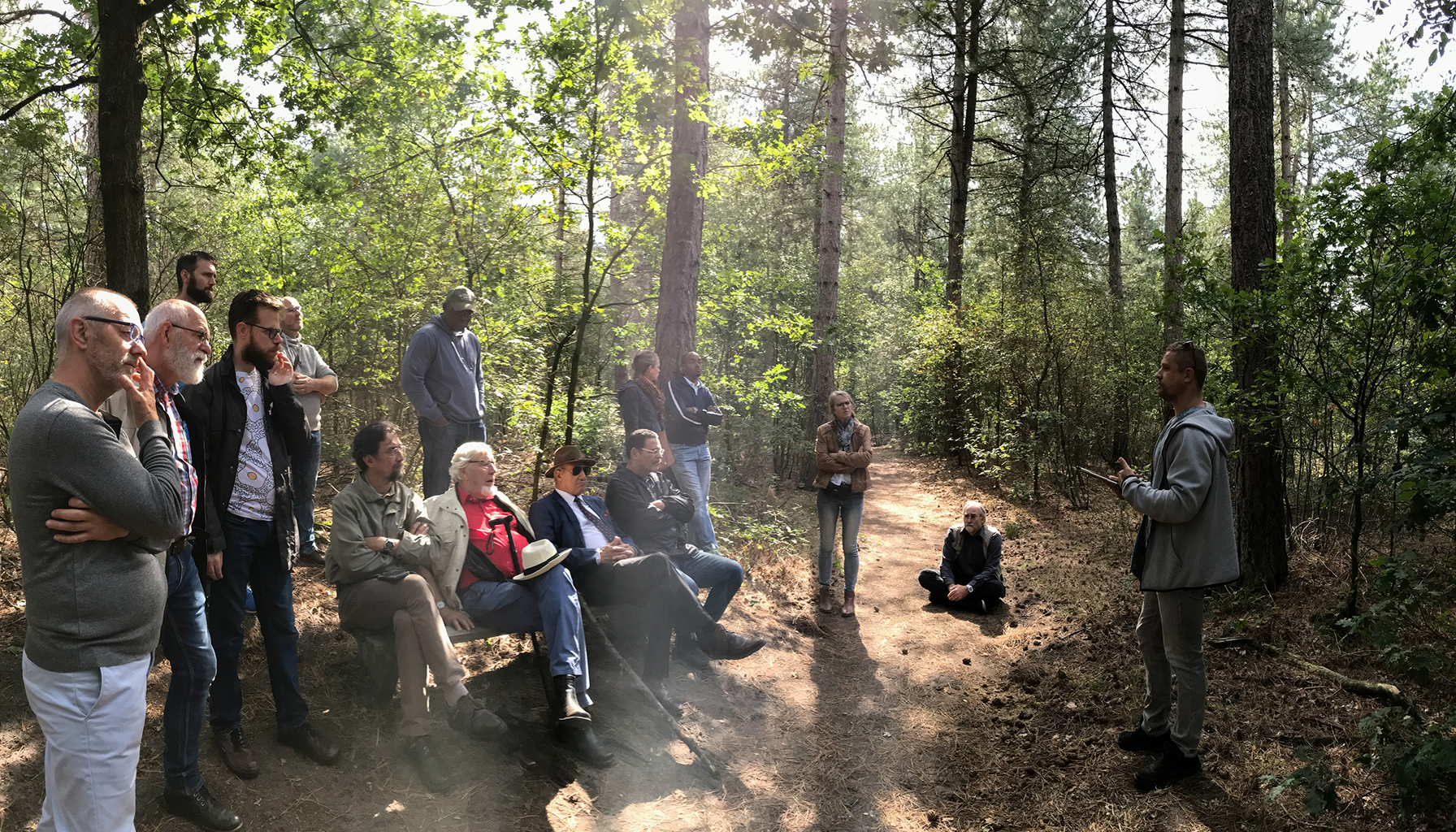
An ash-scattering ceremony does not need to be elaborate to be meaningful. A few personal words, a favorite song or a gathering in a place that held special memories can create a fitting farewell. The most important thing is to choose something that reflects the person being remembered and feels comfortable for those taking part.
This guide explores thoughtful ash-scattering ceremony ideas, from memory boxes and memorial trees to gatherings by the ocean. It also highlights practical considerations that can help you plan a respectful farewell.
Before planning the ceremony: Choose a location that holds personal meaning, check whether scattering is permitted there and consider how family members would like to participate. If you are unsure whether to scatter all the ashes, you can also discuss keeping a small portion in a memorial keepsake.
Why Choose an Ash-Scattering Ceremony?
Scattering cremated remains allows families to create a personal farewell outside the structure of a traditional burial service.
For some, it offers the opportunity to return a loved one to a meaningful landscape. Others appreciate the flexibility of arranging a small ceremony at a time when family members can gather.
There are several reasons families choose this form of remembrance:
- Personal significance: the ceremony can take place in a location connected to the person's life, provided scattering is permitted there.
- Flexibility: families can often arrange the ceremony separately from the cremation, allowing time to make thoughtful decisions.
- Family participation: relatives and friends can share readings, memories, music or quiet moments together.
- Individual expression: photographs, flowers and personal traditions can become part of the gathering.
- Different budgets: a simple private ceremony may cost less than an organized memorial service, although transportation, permits and professional services can add expenses.
There is no single correct way to say goodbye. What matters is that the arrangements honor the deceased person's wishes and respect the chosen location.
Before planning a ceremony in a backyard, family garden or another privately owned location, confirm that scattering is permitted and that the necessary consent has been obtained. Our guide to scattering ashes on private property in the United States explains the legal considerations, including written permission, property ownership and local restrictions.
Personal Ideas for an Ash-Scattering Ceremony
1. Create a Memory Box
A memory box offers a personal way for family and friends to contribute to the farewell. Each person can bring a photograph, written memory, small keepsake or letter that reminds them of the person who died.
During the ceremony, participants may take turns sharing what they have brought. Others may prefer to place their contribution in the box without speaking.
The memory box can then be kept at home, allowing family members to revisit those memories whenever they wish.
If you plan to bury any memorial objects, first confirm that the location permits this. Permission to scatter ashes does not automatically include permission to bury a box or leave personal belongings behind.
2. Travel to a Meaningful Place
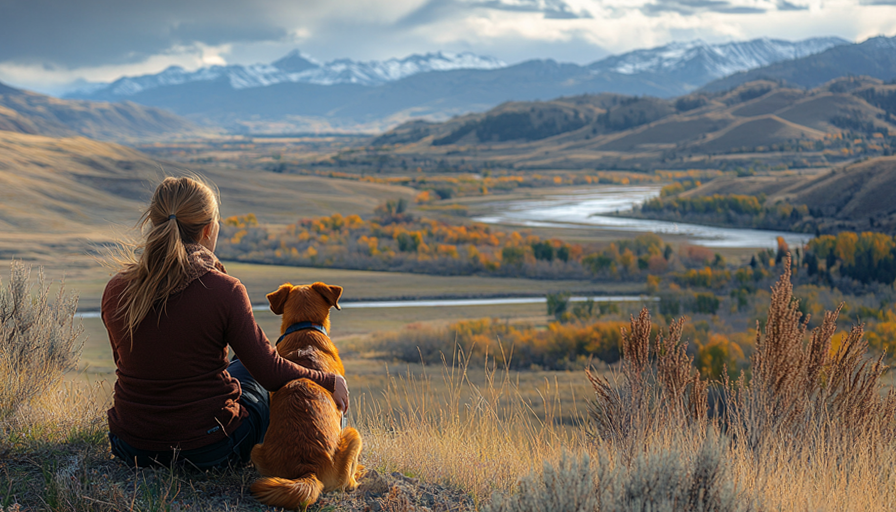
Some people have more than one place that holds special meaning. Perhaps they loved returning to a favorite vacation destination, visiting family in another state or exploring places they had never seen before.
A journey with their cremated remains can become part of the farewell. Families might visit several meaningful locations, share memories along the way and choose an appropriate place for the scattering.
If ashes will be scattered in more than one location, each place must independently comply with the relevant laws and permission requirements.
For international travel, check the airline's policies, transportation documentation and the destination country's requirements before departure.
3. Hold a Beach Memorial Ceremony
If your loved one enjoyed the ocean, a beach can provide a meaningful setting for a memorial gathering. Family members might share memories, listen to a favorite song or spend a few quiet moments together while looking out over the water.
A quieter time of day may offer more privacy and create a peaceful atmosphere. Consider the weather, accessibility and the comfort of everyone attending.
Important for families in the United States: Releasing human cremated remains directly into ocean waters from a beach or pier does not meet the Environmental Protection Agency's (EPA) burial-at-sea general permit requirements.
Under that permit, qualifying ocean scatterings must take place at least three nautical miles from land. Families can hold a memorial gathering on the beach, subject to applicable local rules, and arrange for the actual ocean scattering to take place offshore.
For complete guidance about the required distance, permits and reporting, read our guide to EPA rules for scattering ashes at sea.
A scattering urn or tube can help transport the cremated remains securely until the designated scattering location is reached.
4. Plant a Memorial Tree
Planting a memorial tree can provide a living place of remembrance. A tree associated with a loved one's memory may offer a quiet location where family members can return as the years pass.
Some families choose to plant a tree during the ceremony, while others establish a memorial garden after the ashes have been scattered or placed in an approved location.
A specially designed Bio Tree Urn may be considered when the planned burial is permitted and the product is suitable for the location.
Be aware that cremated remains are not ordinary fertilizer. Their alkalinity and salt content can affect plants and soil. Always follow the product's instructions and consider the planting conditions before combining cremated remains with soil.
If the ceremony takes place on public land, ask whether planting a tree or leaving a memorial marker is permitted.
5. Arrange a Fireworks Tribute
For someone who enjoyed celebrations and colorful displays, a professionally organized fireworks memorial may be a meaningful option.
Specialized companies may offer memorial fireworks services, sometimes incorporating a small portion of cremated remains where legally permitted and technically appropriate.
These arrangements should only be made through qualified professionals who can explain the process, applicable permits and safety requirements.
Families should not attempt to incorporate ashes into fireworks themselves. Fireworks involve substantial safety risks and are subject to federal, state and local restrictions.
An alternative is to arrange a conventional professional fireworks display as a tribute while keeping the cremated remains separate.
6. Gather Around a Campfire
A campfire gathering can create an intimate atmosphere for remembering someone who loved camping, outdoor adventures or evenings spent with family and friends.
Participants might sit together, share stories, listen to familiar music or read a poem beside the fire.
For safety, keep cremated remains out of the flames. Throwing ashes into a fire can disperse particles unpredictably, while opening containers near an active fire may create unnecessary risks.
If scattering forms part of the ceremony, choose a separate permitted location and carry it out safely after the gathering.
Always check local fire restrictions and obtain any necessary permission before lighting a campfire, particularly during dry weather or in protected natural areas.
7. Write a Personal Goodbye Letter
Writing a goodbye letter can help express thoughts that were difficult to share while someone was alive.
The letter might contain a favorite memory, words of gratitude, an apology or simply a reminder of how much the person meant to you.
During the ceremony, family members can read their notes aloud, keep them private or place them in a memory box.
Some families choose to write messages on paper designed to be planted with seeds. If using seed paper, follow the manufacturer's planting instructions and check that planting is permitted at the location.
Letters, paper and other objects should not be released into waterways or left in natural areas without permission, even when described as biodegradable.
8. Share Favorite Songs and Poems
Music and poetry can express feelings that are difficult to put into everyday words.
A favorite song, meaningful reading or poem written by a family member can provide a personal moment during the ceremony.
Some families play music as people gather, while others prefer a reading immediately before the ashes are scattered.
There is no need to fill every moment with words. Silence can be equally meaningful, particularly when family members are gathered in a place connected to shared memories.
9. Include Flowers and Candlelight
Flowers and candlelight can create a gentle atmosphere for a waterside memorial. Families might arrange flowers beside a photograph, place candles on a table or gather near the water at sunset.
However, it is important to distinguish between using decorations during the ceremony and releasing objects into the water.
For an ocean burial at sea under the EPA's general permit, flowers and wreaths placed in the water must consist of materials that readily decompose in the marine environment.
Floating candles, baskets, plastic decorations and other memorial objects should not be left in the water unless specifically authorized under the applicable rules.
If you prefer a candlelight ceremony, use candles or battery-powered alternatives on land and take all decorations home afterward. This creates a peaceful setting without introducing unnecessary materials into rivers, lakes or the ocean.
10. Choose a Butterfly-Inspired Memorial
Butterflies are often associated with transformation, renewal and the continuation of memory.
Rather than releasing commercially supplied butterflies, which can raise concerns about animal welfare and local ecosystems, families can incorporate butterfly symbolism into the ceremony.
For example, guests might write memories on butterfly-shaped cards, choose flowers that attract local butterflies or visit a garden where native butterfly species naturally occur.
This approach allows families to express the meaning behind the symbol without introducing animals into an unfamiliar environment.
The same caution applies to ceremonial bird releases. Using symbolic decorations or artwork is generally a more considerate alternative.
Different Methods of Scattering Ashes
Once you have chosen the kind of ceremony you would like, the next consideration is how the ashes will be scattered.
The appropriate method depends on the location, the family's preferences and the applicable rules.
Ground Scattering
Ground scattering involves releasing cremated remains over a suitable area of land.
Some families choose a private garden, a meaningful landscape or a designated scattering area in a cemetery.
Before the ceremony, confirm that scattering is permitted. Private property may require the owner's consent, while public land can be subject to additional restrictions.
When scattering is allowed, choose calm weather and release the ashes gently downwind, away from other people.
Green Burial
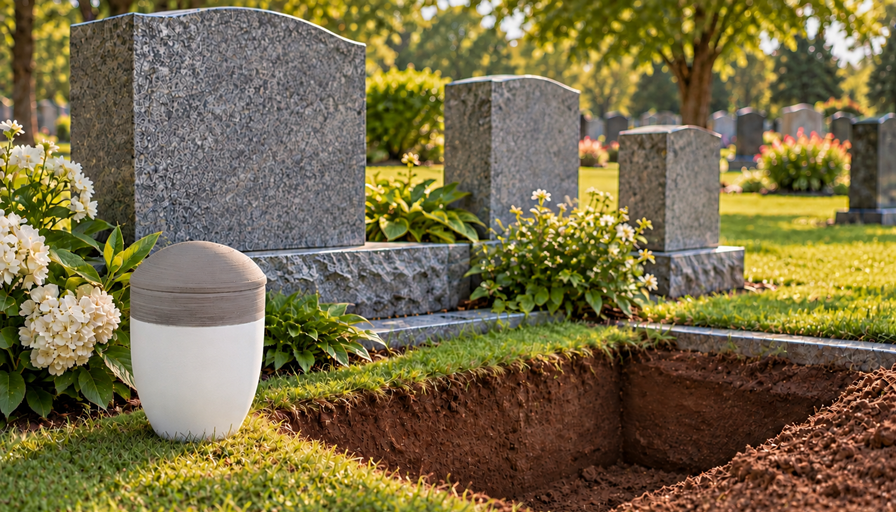
A natural burial of cremated remains may involve placing the ashes in the ground, sometimes in a biodegradable urn designed for burial.
This can appeal to families who prefer a simple memorial with minimal permanent materials.
However, biodegradable urns vary in their composition and intended use. Not every product is suitable for every environment.
Before burying cremated remains, confirm that the location permits the burial and follow the relevant product instructions.
If planting a tree or flower nearby, take care not to place concentrated cremated remains directly against vulnerable roots. Cremated remains can affect soil chemistry and plant growth.
Water Scattering
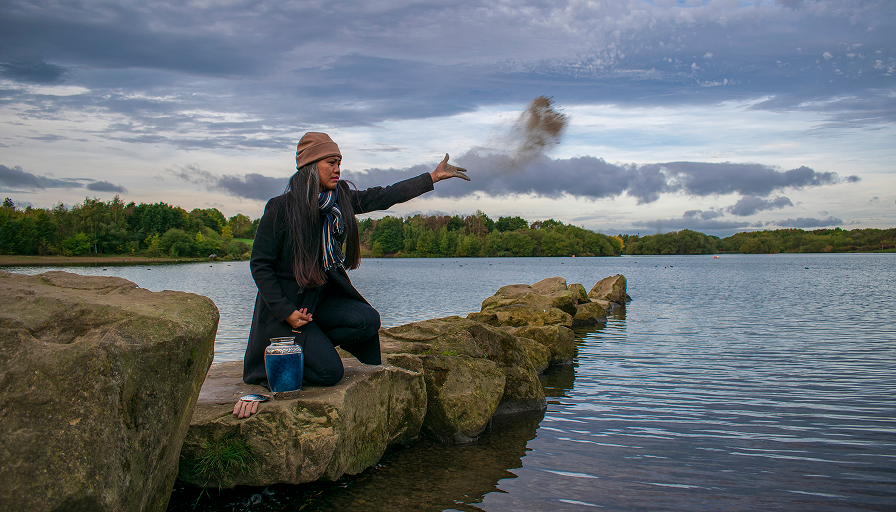
Water scattering can involve releasing cremated remains directly into a permitted body of water or using a suitable biodegradable water urn.
The rules depend on the location. In the United States, the EPA's general burial-at-sea permit covers qualifying ocean scatterings at least three nautical miles from land and requires notification within 30 days after the event.
The same permit does not provide blanket authorization for scattering in inland lakes or rivers. State and local environmental requirements may restrict or prohibit such activities.
For detailed federal ocean-scattering requirements, consult our EPA guide to scattering ashes at sea in the USA.
Aerial Scattering
Aerial scattering involves releasing cremated remains from an aircraft over a suitable location.
Families sometimes choose this method to remember someone who loved flying, travel or expansive natural landscapes.
Professional aerial scattering services can explain the technical arrangements, weather restrictions and applicable aviation requirements.
The fact that a location can be reached by aircraft does not automatically mean scattering is permitted over it. Airspace rules, land-management restrictions and other laws may apply.
For safety, this option should be planned with an experienced professional operator.
Rules and Regulations to Consider Before Scattering Ashes
Scattering cremated remains is permitted in many places, but the requirements depend on where the ceremony takes place.
Before finalizing arrangements, check the laws and permissions that apply to your chosen location.
Private Property and Protected Areas
Scattering ashes on private property may be possible, but the necessary permission and any state or local restrictions must be checked. Some states require written consent from the property owner.
For a detailed explanation of backyard ceremonies, family-owned land, written permission and homeowners association restrictions, consult our guide to scattering ashes on private property.
National parks and other protected areas follow separate rules. Some permit ash scattering under specific conditions, while others require authorization or prohibit it.
For an overview of the broader legal framework, including public land, parks and waterways, read our guide to U.S. laws on scattering cremation ashes.
Ocean and Inland Water Scattering
In the United States, ocean scattering of human cremated remains is regulated by the Environmental Protection Agency under its burial-at-sea general permit.
Qualifying scatterings must occur at least three nautical miles from land, and the EPA must be notified within 30 days after the scattering.
An individual EPA permit application is generally not necessary for activities covered by the general permit, although exceptions apply.
Scattering in lakes, rivers and other inland waters is subject to different requirements. Families should check the relevant state and local rules before arranging a ceremony.
For the full explanation of permits, offshore distances, reporting and acceptable containers, see our complete EPA ocean-scattering guide.
Plane Travel With Ashes
If you need to travel with ashes on an airplane, check the airline's requirements before departure.
For flights involving U.S. airports, the Transportation Security Administration (TSA) requires cremated remains to pass through security screening. Containers should be made from materials that allow security officers to obtain a clear X-ray image.
Airline policies differ. Some airlines permit cremated remains only in carry-on baggage, while others have additional documentation requirements.
The TSA will not open a cremation container to inspect its contents, even with the passenger's permission. Choosing a suitable temporary container can help avoid difficulties during screening.
If traveling internationally, check the destination country's entry requirements and any relevant consular guidance.
Practical Checklist for an Ash-Scattering Ceremony
A little preparation can help make the farewell feel calm and unhurried. Use the following checklist to consider the arrangements before the day itself.
Before the Ceremony
- Location: choose a meaningful setting and confirm that scattering is permitted there.
- Permission: obtain any required written consent or authorization.
- Family wishes: discuss who would like to participate and whether anyone would prefer to keep a portion of the ashes.
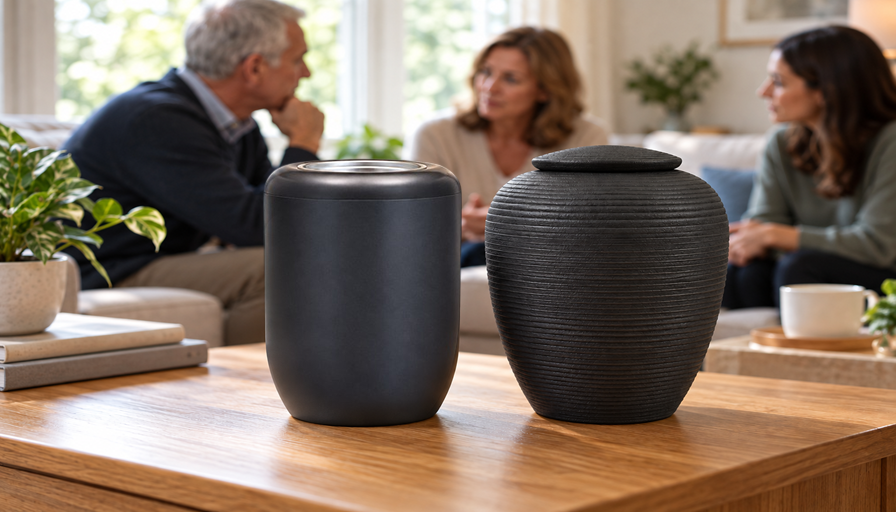
- Container: choose a scattering urn or tube suitable for the planned method and location.
- Weather: check wind, rain, accessibility and any safety concerns.
- Memorial elements: prepare readings, songs, photographs or flowers if desired.
- Environmental care: avoid leaving objects or decorations behind without permission.
- Reporting: complete any required notifications after the ceremony, such as the EPA report for a qualifying ocean scattering.
Frequently Asked Questions About Ash-Scattering Ceremonies
Do you need permission to scatter ashes?
Permission depends on the location. Private property may require written consent, while national parks and other protected areas can have separate rules. For backyard or family-property ceremonies, see our guide to scattering ashes on private property.
Can you hold an ash-scattering ceremony on a beach?
Yes, a beach can provide a meaningful place for a memorial gathering, subject to local rules. However, scattering human cremated remains into U.S. ocean waters under the EPA's general permit requires a location at least three nautical miles from land. A beach ceremony and an offshore scattering can be arranged as separate moments.
What can you include in an ash-scattering ceremony?
Families may incorporate readings, favorite songs, photographs, flowers, memory boxes or personal rituals. Any objects left at the location must comply with applicable environmental and property rules.
Can family members take turns scattering ashes?
Yes, where the applicable laws and location rules permit it. Some families invite several relatives to release a small portion of the ashes, while others prefer one person to carry out the scattering on everyone's behalf.
Can you keep some ashes after the ceremony?
Yes, families may choose to preserve a portion of the cremated remains in a keepsake urn or memorial jewelry, subject to applicable requirements. Discuss this before the ceremony, as scattering is generally irreversible.
What if the weather is unsuitable?
It is reasonable to postpone an outdoor ceremony if strong winds, heavy rain or unsafe conditions would make the gathering difficult. A professional boat or aerial scattering provider may also have weather-related operating restrictions.
How far offshore must ashes be scattered in the USA?
For qualifying ocean scatterings under the EPA's general permit, cremated human remains must be released at least three nautical miles from land. Our dedicated EPA guide explains the additional requirements.
A Personal Farewell That Reflects a Life Remembered
There is no single way to arrange a meaningful ash-scattering ceremony. Some families choose a simple gathering in a garden, while others prefer a memorial by the sea, a favorite song or a quiet moment in a familiar landscape.
The value of the ceremony lies in its personal significance, not in how elaborate it becomes.
By choosing a suitable location, respecting the applicable rules and involving family members in ways that feel comfortable, you can create a farewell that reflects the person you wish to remember.
If you are looking for a suitable container for the ceremony, explore our collection of scattering urns and tubes.
For questions about our memorial products, you can contact the legendURN team.
Official Sources and Editorial Information
Last reviewed: October 15, 2026.
The regulatory information in this article is based on the following official sources:
- U.S. Environmental Protection Agency - Burial at Sea
- 40 CFR § 229.1 - General Permit for Burial at Sea
- Transportation Security Administration - Cremated Remains
About this guide: legendURN specializes in cremation urns, scattering products, keepsakes and memorial jewelry. This article provides general information and inspiration for families planning an ash-scattering ceremony. It does not constitute legal advice or authorization to scatter cremated remains.
Requirements may change. Always confirm current regulations and permission procedures with the responsible authorities.