Cremation ashes destination
Symbols of Remembrance: What Memorial Urn Designs Can Represent
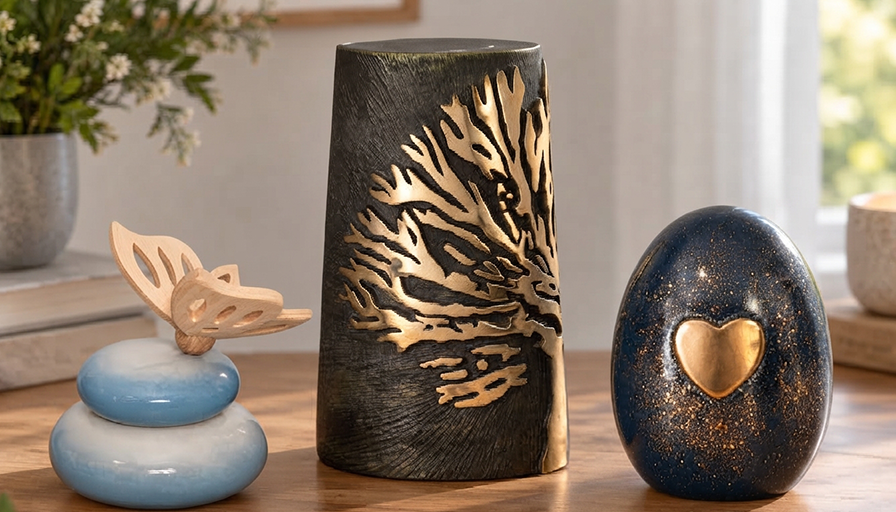
A symbol on a memorial urn can express something that words cannot always capture. Butterflies are often associated with transformation, trees with family and continuity, hearts with love, and birds with freedom or peace. Yet these meanings are never fixed. A symbol may carry a traditional, cultural or spiritual meaning, but its most important meaning can be entirely personal. Understanding common memorial symbols can provide inspiration while helping you choose a design that genuinely reflects the person you are remembering.
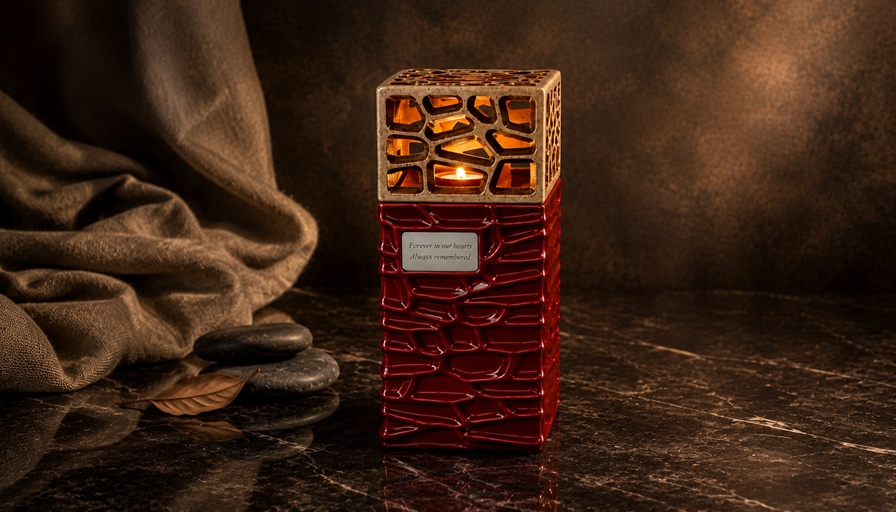
Choosing an Adult Urn That Reflects a Life Story
An adult urn is often one of the most meaningful memorial choices a family will make. It has a practical purpose, but it can also reflect a person’s character, values, interests and the memories they leave behind. This guide explains how to choose an urn that tells part of a life story, from material, colour and design to personalisation, placement and urn capacity.

Travel as a Tribute: Meaningful Ways to Honour a Loved One
Travelling after the loss of someone important can bring mixed emotions. Returning to a favourite destination may offer comfort, while taking a first journey without them can feel difficult. Yet travel can also become a meaningful way to honour a loved one’s memory. Whether you visit a place they cherished, carry a small keepsake, create a private ritual or begin a new family tradition, this guide explores thoughtful ways to remember someone through travel while considering practical arrangements, family wishes and local customs.
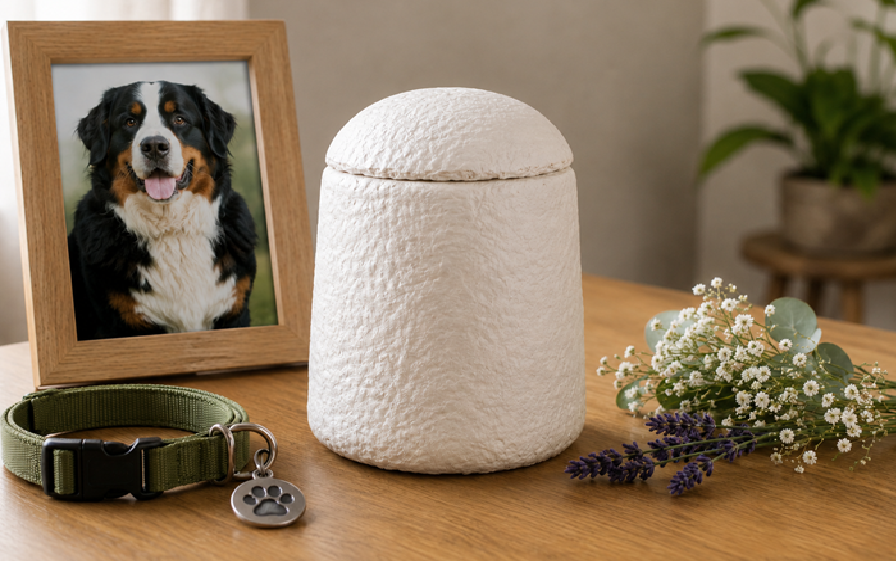
Eco-Friendly Pet Urns: Burial, Water and Living Memorial Options
Eco-friendly pet urns can serve very different purposes. Some are designed to biodegrade after burial, others dissolve in water, while planting systems combine ashes with a living memorial. If the ashes will remain at home, a durable urn may be the more suitable choice. The destination therefore matters more than whether an urn is simply described as “green” or “natural.”
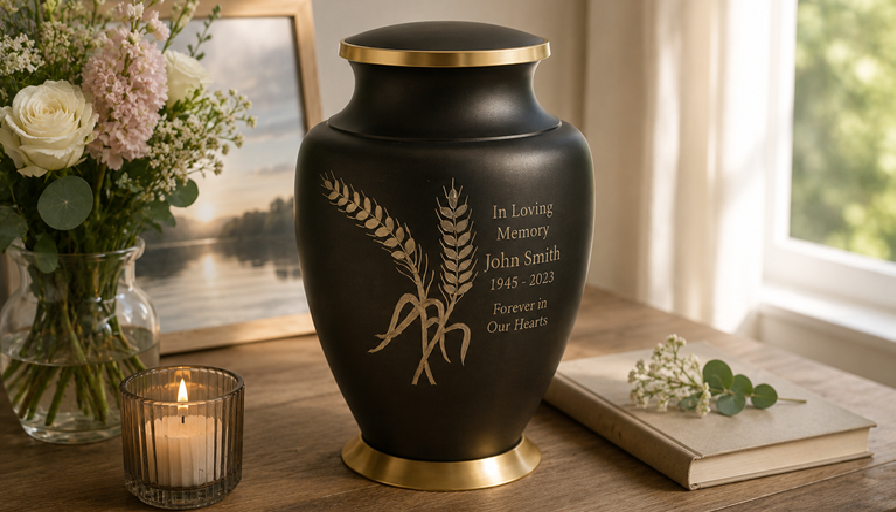
Memorial Inscription Ideas for a Personal and Lasting Tribute
Finding the right words for a memorial can feel difficult, especially when a few lines must express a lifetime of memories. A meaningful inscription does not need to be long: a name, an important date, or a short personal message can honour someone’s character, relationships, and place in your life. In this guide, you will find practical advice and memorial inscription ideas for cremation urns, keepsakes, memorial jewellery, plaques, and other lasting tributes.
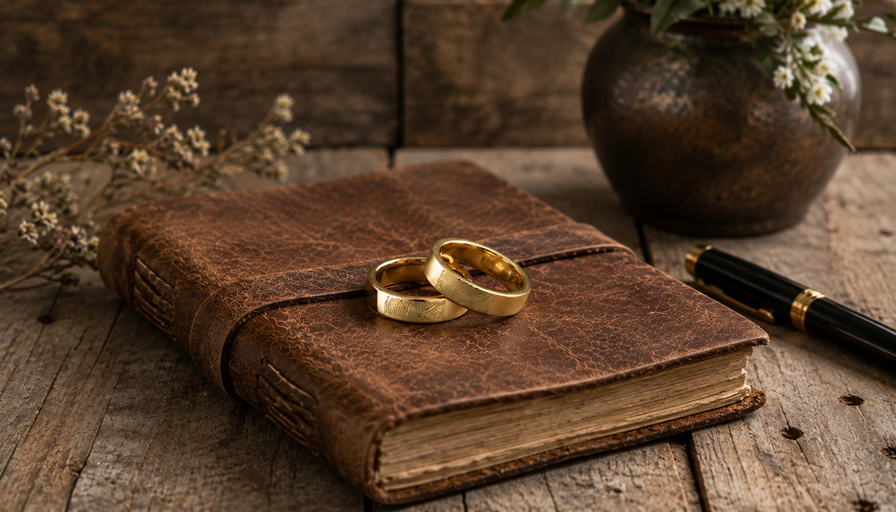
What Does Cremation Jewellery Cost in the UK? A Practical Price Guide
Cremation jewellery prices in the UK can vary widely, from simple stainless steel pendants to handmade gold, silver or personalised memorial pieces. The difference is not always clear from a photograph alone. Material, craftsmanship, engraving, design complexity, the quality of the ashes compartment and the way the piece is finished all influence the final price. This guide explains what cremation jewellery usually costs in the UK, what you are paying for, and how to choose a piece that offers lasting value without spending more than necessary.
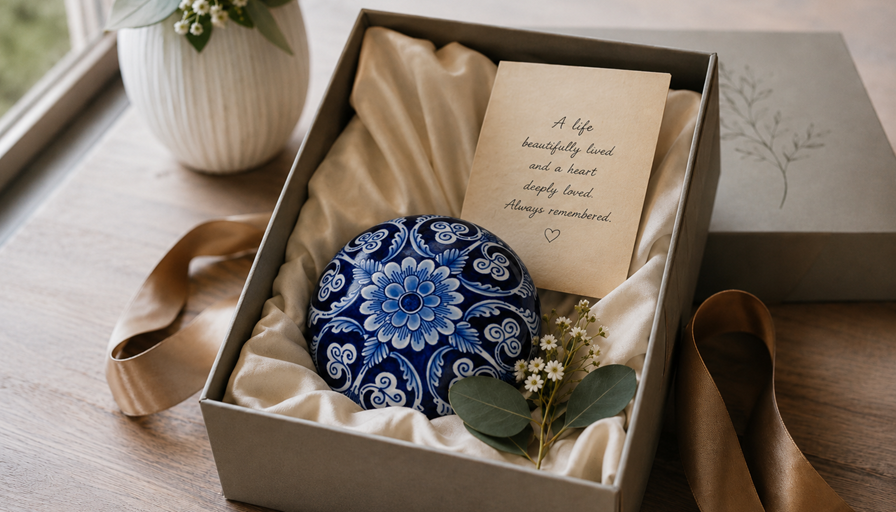
What to Bring to a Grieving Family: Thoughtful Gifts That Offer Comfort
When someone you care about is grieving, it can be difficult to know what to bring, say or do. The most supportive gestures are often not grand or expensive. They are practical, gentle and carefully chosen, a meal that removes one decision, a note that asks nothing in return, or a small remembrance gift that helps keep a loved one’s memory close.
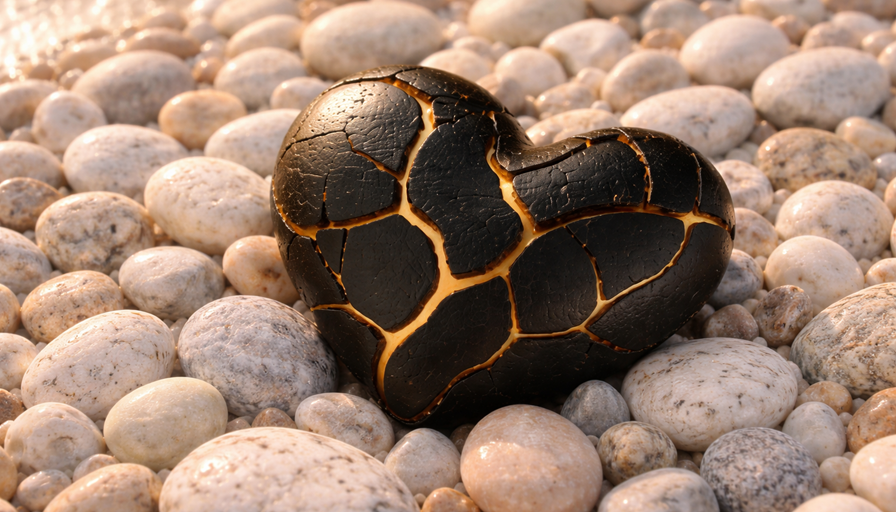
Heart-Shaped Urns for Ashes: How to Choose a Fitting Memorial
For many families, choosing an urn is not only a practical decision, but also a deeply personal one. A heart-shaped urn offers a gentle way to give love and remembrance a visible place in daily life. Its form is familiar, emotional and easy to understand, while the right material, size and placement help turn it into a memorial that feels calm, dignified and lasting.
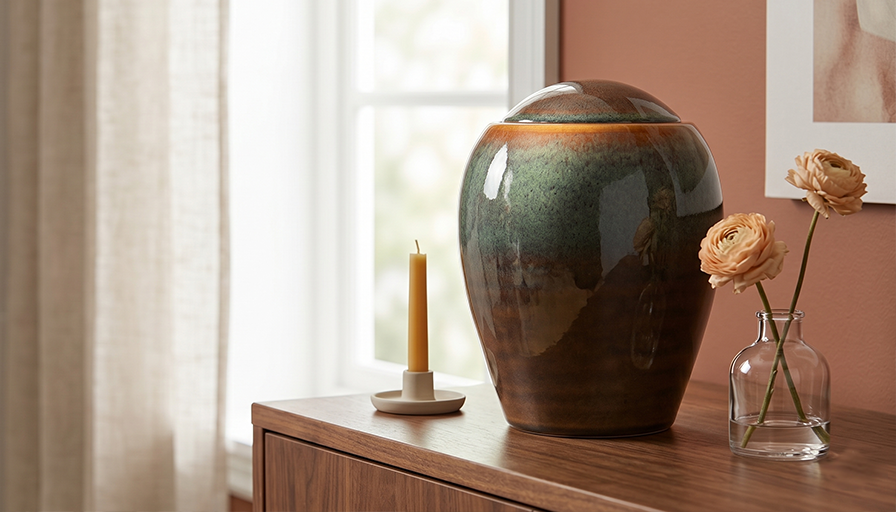
A peaceful place for remembrance at home
For many families in Ireland, keeping ashes at home offers time, closeness and comfort after a cremation. A cremation urn may be placed in a visible spot, such as a shelf or cabinet, or kept more privately in a bedroom, study or quiet corner. The most meaningful place is not always the most formal one. It is the place that feels safe, calm and right for the person being remembered.
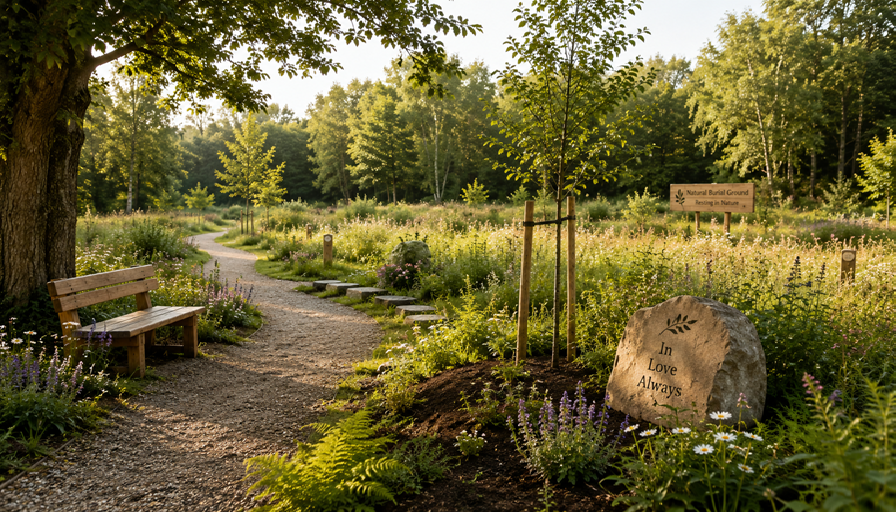
A Gentle Guide to Green Burials: Natural Burial, Biodegradable Urns and Scattering Tubes
Green burials are becoming an increasingly considered option for people who want a farewell that feels simpler, more natural and more mindful of environmental impact. Whether you are planning ahead or making decisions after a loss, understanding what a green burial actually involves can make the process feel more manageable. This guide explains how green burials work in the USA and UK, how they compare with cremation, and when biodegradable urns or scattering tubes may be suitable for a more natural memorial choice.