Lighting a Candle in Memory: A Practical Guide
Lighting a candle after a death is both ancient and deeply practical. It creates a moment with a clear beginning and end, something many people find grounding when days feel blurred. A candle can mark an anniversary or a birthday, but it can also simply mark an ordinary evening when someone is missed.
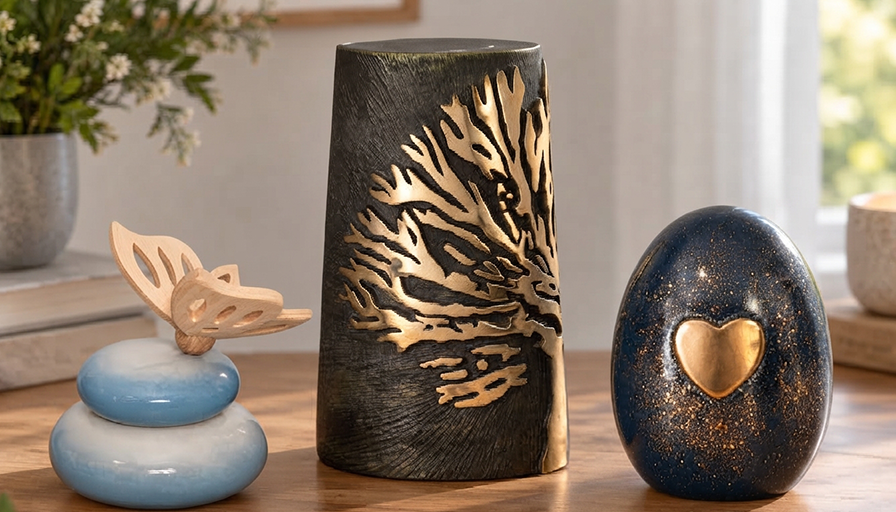
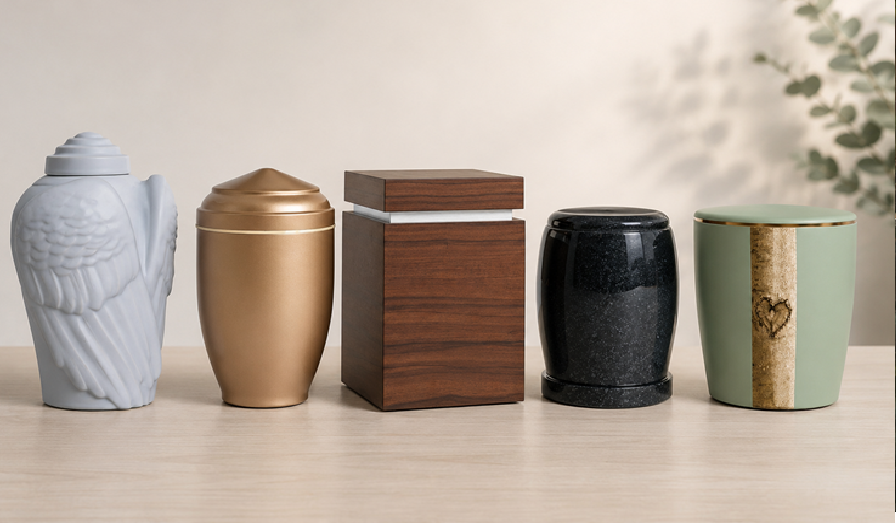
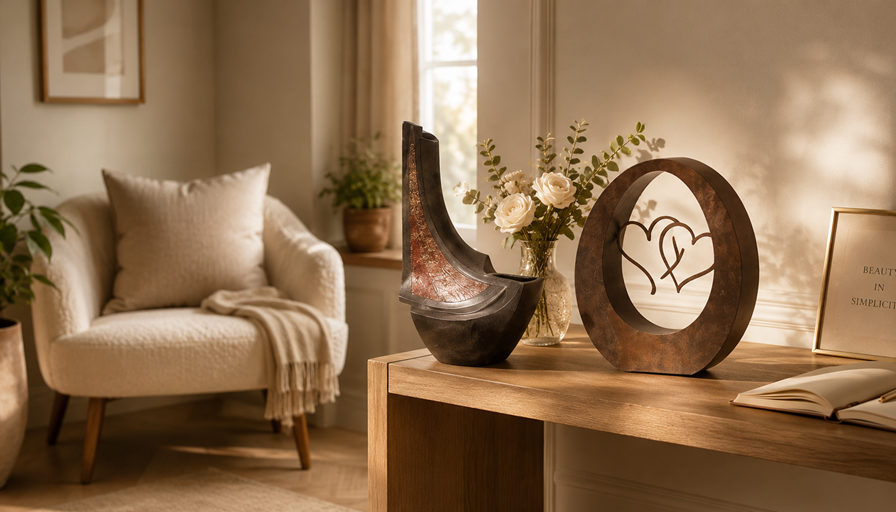
For many families in the UK and the USA, remembrance now happens as much at home as it does in churches, cemeteries, or formal services. Cremation is common, and families often choose memorial options that fit everyday life, such as keepsake urns, cremation jewellery (jewelry), or small remembrance displays. Cremation associations also note that remembrance can be shared in smaller ways among family and friends, including keepsake urns and jewellery that hold a tiny portion.
This guide explains how candle rituals are used today, how memorial items can support them, and how to keep the ritual simple enough to sustain over time.
Why lighting a candle still works across cultures
A candle does three things that few other memorial actions do at once.
It makes remembrance visible. A flame quietly signals, “this person matters,” even when words are hard.
It creates structure. The candle defines a beginning and an end. That boundary can make remembrance feel manageable, especially in the first months.
It pairs naturally with meaningful objects. A candle can sit beside a photograph, a letter, a small belonging, or a memorial item that holds ashes. You do not need a display, you only need a place that feels steady.

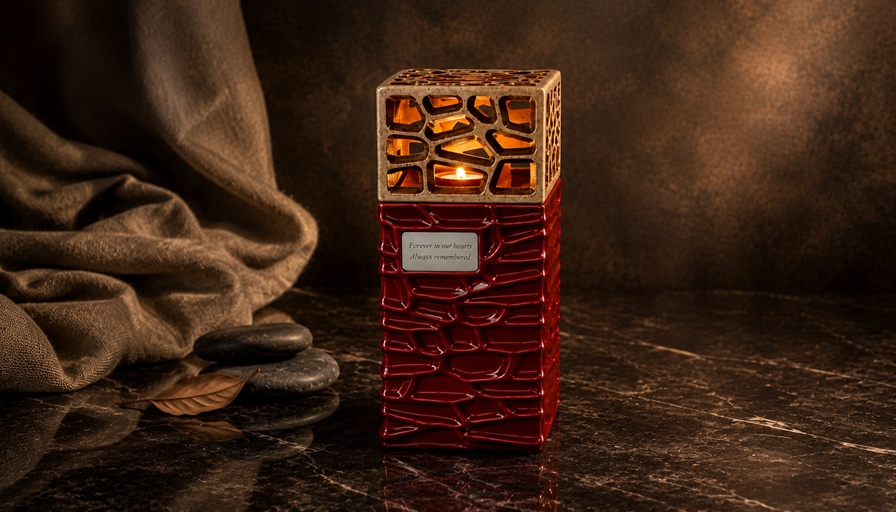
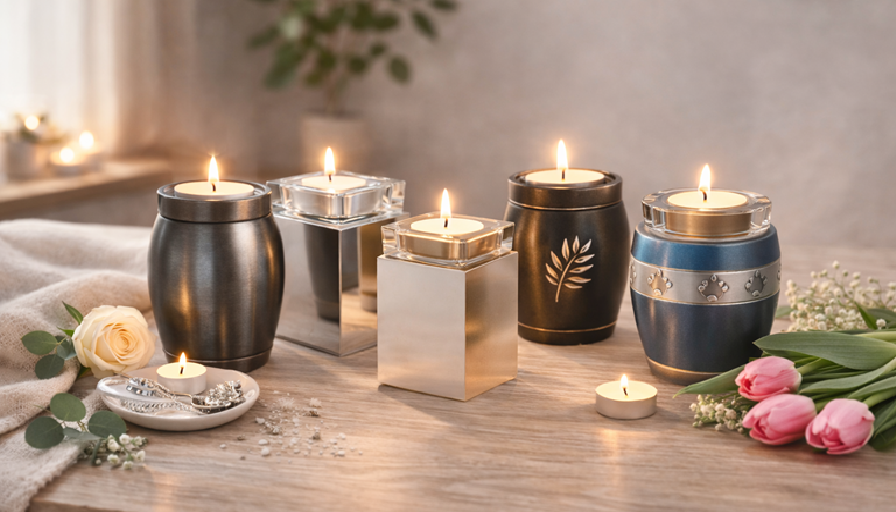
Some families choose an urn designed specifically for candle remembrance. These memorial urns include a small integrated candle holder or a recessed space for a tealight, creating one stable focal point where flame and remembrance object belong together. For people who prefer a simple ritual, this can reduce setup time and make the memorial corner feel “ready” without extra items. If you use an urn with a candle feature, keep it practical and safe: choose an enclosed or wind-protected candle holder where possible, keep the flame away from photos, fabrics, and shelves above, and consider an LED candle if pets, children, or anxiety about fire would make the ritual stressful. The goal is the same, a calm, repeatable moment, with less effort and more consistency.
A modern reality: remembrance is often shared across households
One reason candle rituals have become so common at home is that families do not always keep everything in one place. Children may live in different cities, siblings may want equal closeness, and households often have different beliefs and comfort levels. In the UK, it is generally permitted to keep ashes at home and to divide them among family members, with no specific legal limit on how many containers are used.
In the USA, guidance sources also describe dividing ashes among family members as legally permitted, with the practical note that the legally responsible person, often the next of kin, makes the decision and local rules around transport and storage can still matter.
This matters for your blog because it strengthens the logic of your message: a candle ritual is powerful precisely because it can be repeated in multiple homes, on the same date, with the same intention, even when people are far apart.
Mini-scenario
A daughter in Manchester keeps a small portion of her mother’s ashes in a keepsake urn. Her brother in Ohio keeps a small memorial item in his own home. On their mother’s birthday, each lights a candle where they live. The ritual is shared in meaning, not location.
A simple candle ritual at home that you can actually maintain
A meaningful ritual does not need a script. The rituals that last are usually the ones that stay simple.
1) Choose a consistent place
Pick a location you do not have to clear or rearrange every time. A shelf, bedside table, mantelpiece, or quiet corner works well. Consistency matters more than visibility.
2) Keep the memorial items stable
If you use a keepsake urn, a jewellery dish, a photo, or a small object that belonged to the person, try to keep it in the same place between rituals. When items are moved and stored away each time, the ritual becomes work, and people often stop.
3) Choose a candle that supports calm
Many people prefer unscented candles. Strong scents can become tightly linked to intense grief moments and may later trigger distress unexpectedly. Long-burn candles reduce maintenance. Enclosed candles, such as jar candles or lantern-style holders, reduce stress about safety.
4) Define the moment in the simplest terms
The ritual can be silence. It can be one sentence. It can be sitting for two minutes and watching the flame. The goal is not ceremony, it is a repeatable pause.
5) Repeat on dates that matter
Anniversaries and birthdays are common, but so are ordinary evenings, holidays, and weekly rhythms. The best schedule is the one you can maintain without pressure.
If ashes are being shared: how to keep it peaceful and practical
Sharing ashes can bring comfort, but it can also create friction if decisions feel rushed or unclear. A simple framework helps.
Start with authority and clarity
Before anything is divided, it helps to know who has the legal right to make decisions about the remains, often the next of kin in practice, and to keep communication calm and written down when multiple people are involved.
Choose a “home base” first, then share from there
Many families find it easier to decide where the main portion will rest and then share smaller portions as needed. This prevents the feeling that everything must be split immediately, and it reduces pressure on one person to “own” the responsibility alone. Guidance sources describe this approach as common: keep a primary urn, share keepsakes, or combine a home base with wearable remembrance.
Define what “sharing” means in your family
Sharing does not have to mean identical portions for everyone. “Equal” can be helpful, but it is not the only fair outcome. Sometimes one person keeps the main urn, while others receive symbolic portions in keepsakes or jewellery, and the meaning stays equal even if the volumes are not.
Make the ritual easy in each home
If multiple households will light a candle, the best setup is the one that is safe, stable, and ready. A small keepsake urn or a dedicated jewellery dish prevents the ritual from turning into a task.
Candle rituals at graves or memorial sites
Many families also light candles outdoors, but weather and cemetery rules can change what is possible. Some cemeteries restrict open flames. When candles are allowed, wind-protected holders and short burn times reduce stress.
When candles are not allowed, a dual ritual is common: a visit outdoors with a small token or decoration, then a candle lit at home later that day.
Common mistakes that disrupt remembrance
Moving everything each time
If the candle, urn, photo, and jewellery are stored in different places and brought out only for the ritual, the ritual becomes effortful.
Using strongly scented candles
Scents can lock onto early grief moments and later trigger distress.
Making it too complex
Scripts, music, repeated words, or “perfect” timing can become a burden. Simple rituals last longer.
Ignoring household safety
If fire risk creates tension, the ritual stops being calming. Enclosed candles or LED candles can protect the intention without adding stress.
Faith and tradition: a respectful note
Beliefs differ widely across the UK and the USA, and many families adapt rituals to fit their tradition. If Catholic guidance applies in your family, it is worth knowing that official Vatican instruction states that ashes may not be divided among family members. In that situation, a candle ritual can still be meaningful by placing a photo, a letter, or another symbolic object beside the flame instead of ashes.
Frequently asked questions about remembrance candles
How long should a remembrance candle be lit?
There is no required duration. Many people light it for a few minutes of reflection, others let it burn longer. Consistency matters more than time.
Is it appropriate to light a candle beside ashes at home?
Many families do. Keeping ashes at home and sharing them is commonly described as permitted in the UK, and widely practiced in general, but always consider household safety and any faith traditions that apply.
Can multiple family members have their own remembrance candles?
Yes. Many families choose “shared remembrance” across homes, using keepsakes or small memorial items so each household can mark key dates privately.
Are LED candles less meaningful?
Not necessarily. If open flames add stress, LED candles keep the ritual repeatable, which is often the point.
The lasting role of candle remembrance
Lighting a candle for someone who has died remains one of the most accessible and adaptable memorial actions in both the United Kingdom and the United States. It works in private homes, shared households, gravesides, and temporary living spaces. It supports both religious and secular remembrance.
What makes candle rituals especially sustainable today is that remembrance is often distributed, not centralised. A candle creates a quiet, repeatable moment that can be shared across distance, without requiring anyone to travel, explain, or perform grief. Its simplicity is precisely why it endures.
If you feel certain information is missing or you have questions after reading this post, you are welcome to contact us via the contact form.