Sustainability
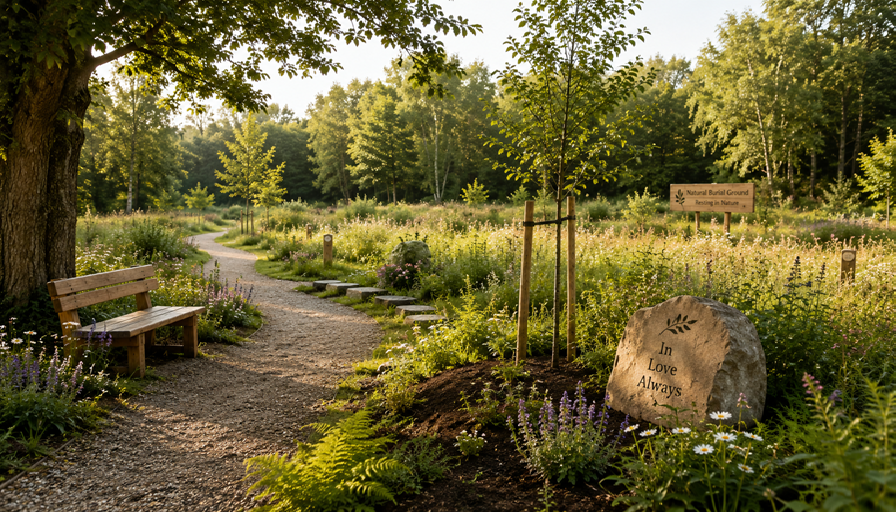
A Gentle Guide to Green Burials: Natural Burial, Biodegradable Urns and Scattering Tubes
Green burials are becoming an increasingly considered option for people who want a farewell that feels simpler, more natural and more mindful of environmental impact. Whether you are planning ahead or making decisions after a loss, understanding what a green burial actually involves can make the process feel more manageable. This guide explains how green burials work in the USA and UK, how they compare with cremation, and when biodegradable urns or scattering tubes may be suitable for a more natural memorial choice.

Scattering ashes in Ireland: what families should know
Scattering a loved one’s ashes is a deeply personal and symbolic gesture. For many families in Ireland, it represents a connection to nature, the sea, a favourite place or the fulfilment of a final wish. The ceremony itself can be simple and intimate, but it is still important to check the practical side: who releases the ashes, where they may be scattered, whether permission is needed and whether a funeral director, crematorium, local authority, landowner or site manager should be consulted first. This guide explains what families in Ireland should know before scattering ashes.
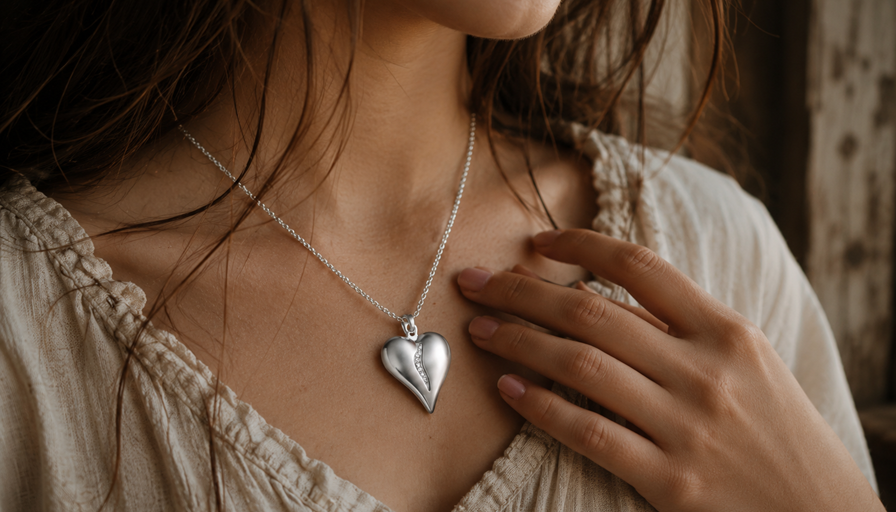
What Happens to Jewellery During Cremation? The Question Many Families Forget to Ask
A wedding ring, necklace or small pendant can hold a lifetime of meaning, but many families only start thinking about jewellery when a cremation is already being arranged. Can it stay with the person? Will it survive the heat? Can it be returned afterwards? In this blog, we explain what usually happens to jewellery during cremation in the UK, why funeral directors often advise removing valuable or sentimental items beforehand, and which questions families should ask before making a final decision.
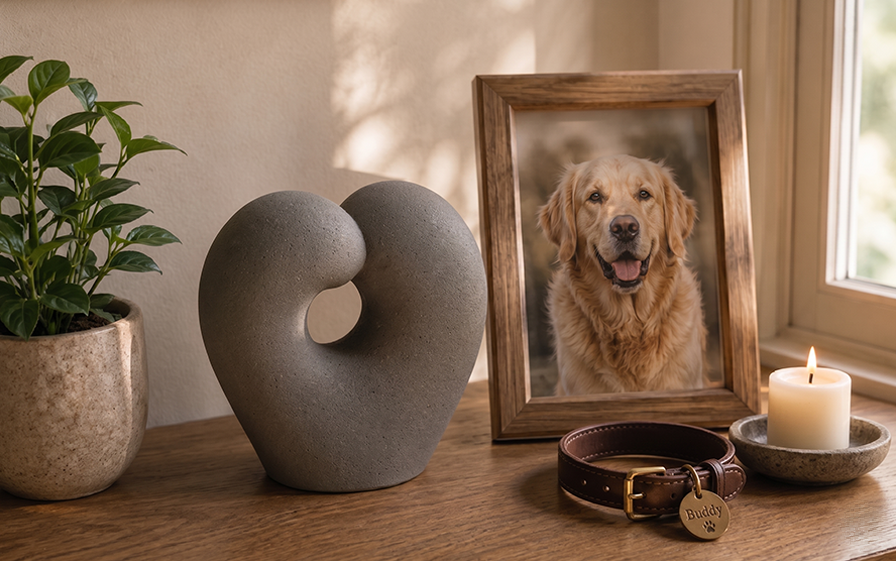
Choosing a Pet Cremation Urn for a Beloved Companion: What Really Matters
Choosing a pet cremation urn is, for many people, more than a practical decision. It is a way to create a lasting and tangible reminder of a beloved companion who was part of everyday life for years. In this blog, we explain what to consider when choosing a suitable pet cremation urn, from size and material to placement, style, and personalisation options. This helps make the available choices clearer, so you can select an urn that feels appropriate for your pet, your memories, and the way you wish to remember them.
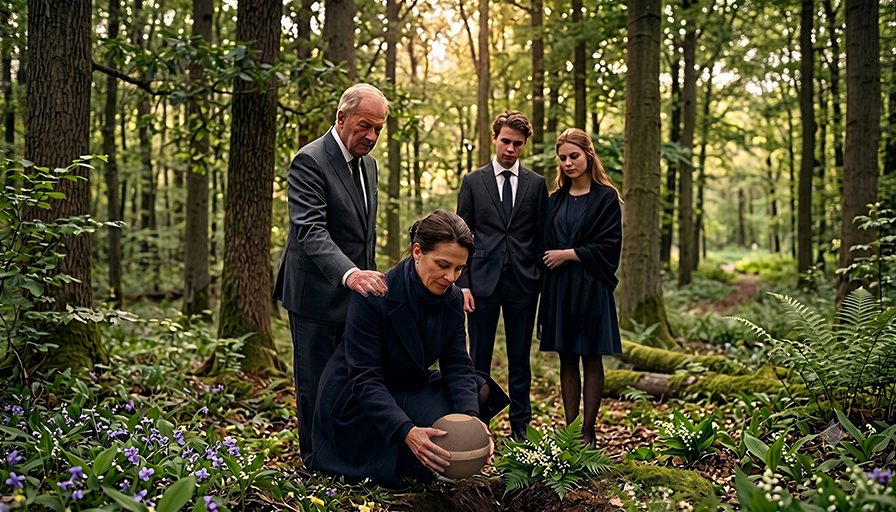
Can You Bury Ashes After Cremation in the UK?
For many families, the question of where ashes should rest becomes important only after the first days of grief and practical arrangements have passed. Burying ashes can offer a lasting place of remembrance, but in the UK the decision involves more than choosing a meaningful location. Permissions, land ownership, cemetery rules, urn materials and future access all play a role in creating a memorial that still feels right years later.
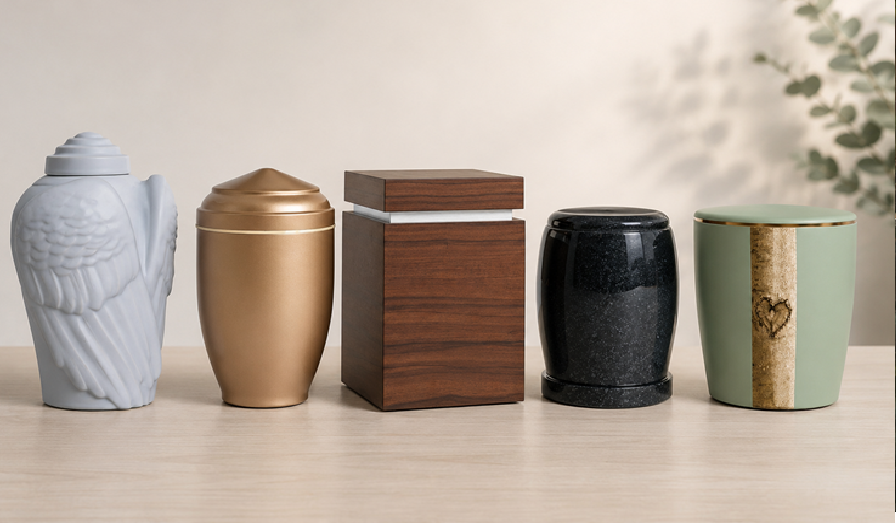
What Is the Best Urn Material for Cremated Ashes?
The best urn material is not simply the strongest, the most decorative or the most expensive. It is the material that suits how the ashes will be kept, displayed, buried, placed outside, taken to a cemetery or shared among family members. This guide compares ceramic, porcelain, wood, metal, brass, bronze, stainless steel, natural stone, glass and biodegradable urns for families in the UK and Ireland.
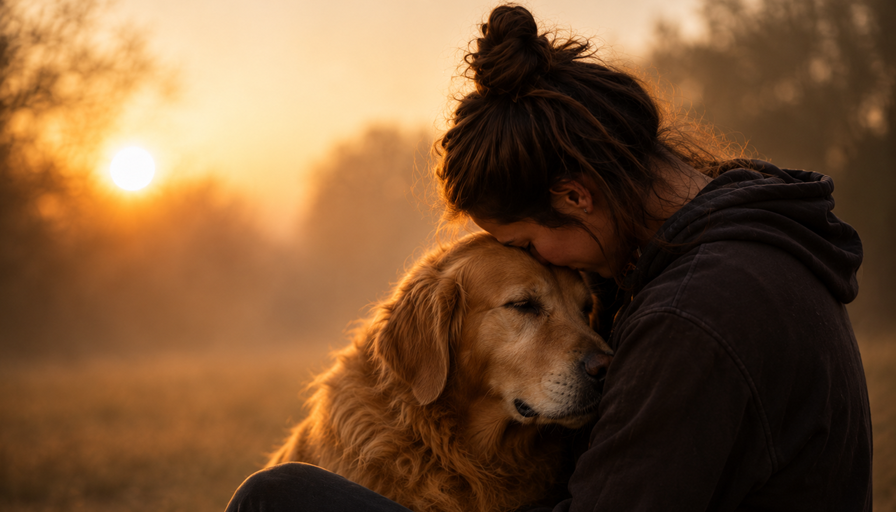
Creating a Lasting Pet Memorial Space at Home with Comfort and Meaning
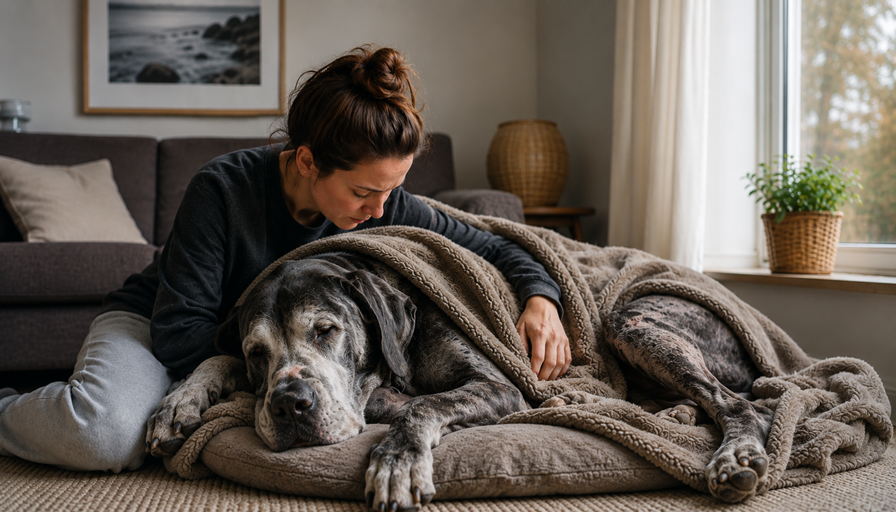
When a pet passes away, the home can feel different in ways that are difficult to explain. A favourite sleeping place is suddenly empty, familiar routines disappear, and small daily moments can feel quieter than before. For many families in the USA and the UK, creating a memorial space at home offers a gentle way to keep a beloved pet’s memory close. This space does not need to be large or elaborate. A framed photograph, a pet urn, a collar, a paw print, or a few carefully chosen keepsakes can be enough to create a place of comfort, reflection, and lasting connection. Whether it is a small shelf, a peaceful garden corner, or a dedicated display in the home, the most meaningful memorial is one that honestly reflects the bond you shared.
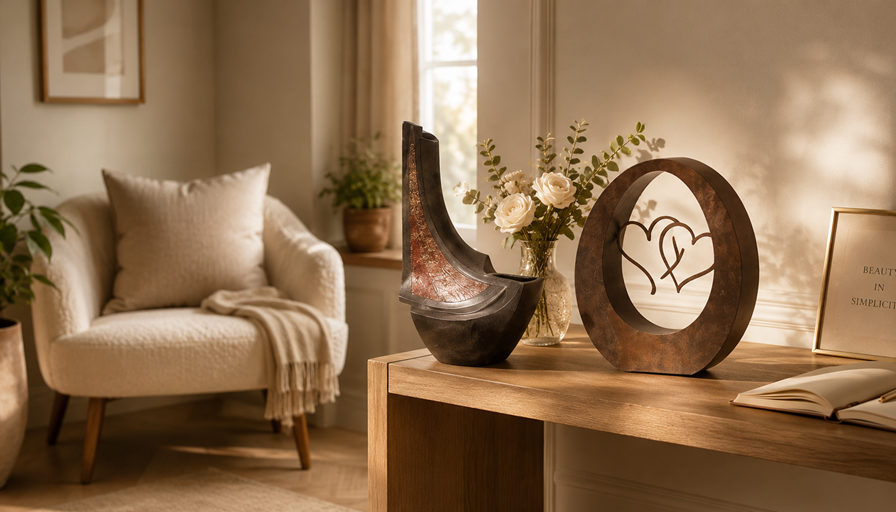
When an Urn Becomes More Than a Memorial
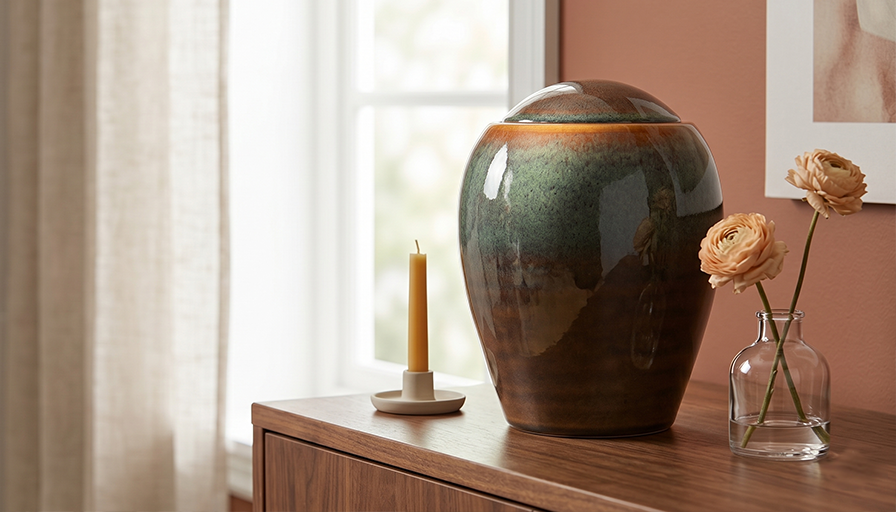
A cremation urn is no longer chosen only for its function. For many families in the US and UK, it has become a deeply personal object, one that reflects a life, a character, a love story, or a place in the home where memory remains present. Unique cremation urn designs answer that need with more than beauty alone. Through shape, material, colour and symbolism, they help families create a tribute that feels less standard and more honest, less formal and more connected to the person being remembered.
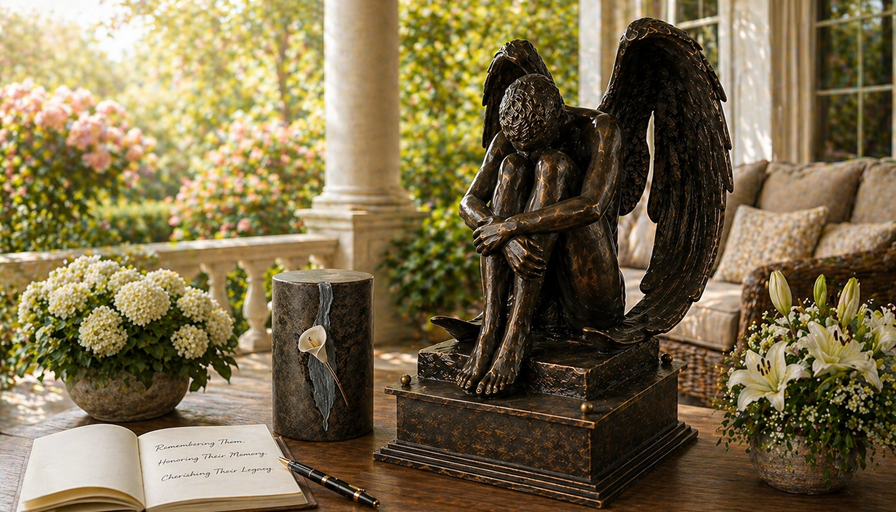
Traditional or Contemporary Urns? The Choice Is More Personal Than It Seems
A cremation urn is often chosen at a moment when practical decisions and emotion come together. Yet the difference between a traditional and contemporary urn can shape how remembrance feels for years to come. Some families find comfort in a familiar, classic design, while others prefer a modern urn that feels more personal, discreet, or connected to the home. Understanding that difference makes it easier to choose an urn that truly fits the person, the setting, and the memory being preserved.
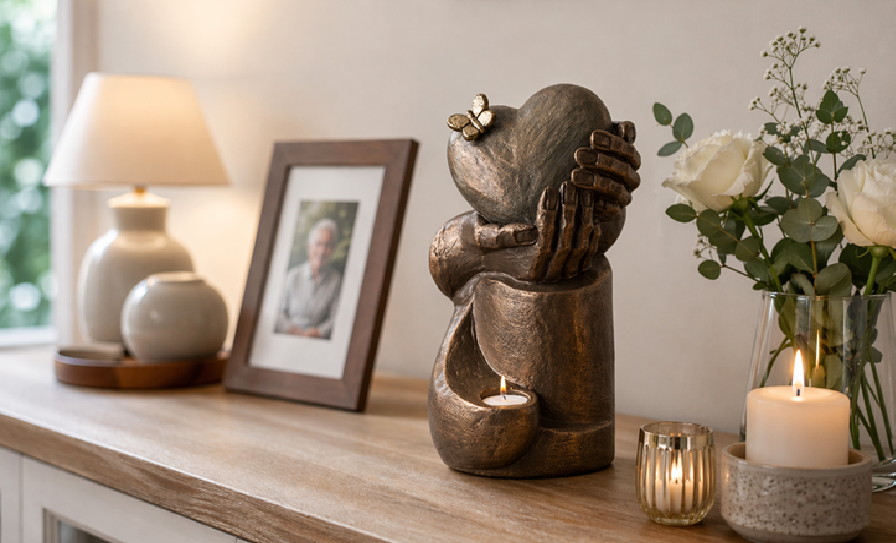
When the Urn No Longer Feels Like the Right Place
A cremation urn is often chosen at a time when there is little room to think clearly. Only later may it become clear that the urn feels too temporary, too fragile, too visible, or simply not personal enough. Choosing another urn is not a break with the past, but a careful way to keep the ashes more safely, more meaningfully, and with greater dignity.