Biodegradable vs Traditional Urns: The Main Difference
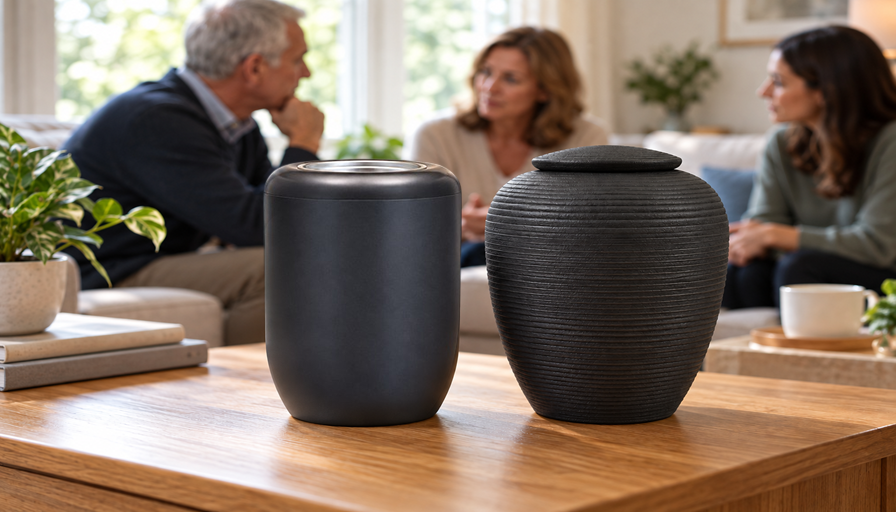
The main difference between a biodegradable urn and a traditional cremation urn is what happens to the container over time. Traditional urns are generally designed to keep cremated remains safely contained for years. Biodegradable urns are intended to break down under suitable conditions, usually following burial in the earth or placement in water.
Both serve the same essential purpose: holding the ashes of someone who has died. The distinction lies in how and where the ashes will be cared for afterwards.
A traditional urn may become a lasting memorial at home. A biodegradable urn may form part of a farewell in which the ashes are returned to nature.
Neither choice is automatically better or more meaningful than the other.
Quick answer: Choose a traditional urn if you intend to keep the ashes for the long term. Consider a biodegradable urn if you are planning an earth burial or water ceremony. Always check the intended use of the individual urn and any requirements at the chosen location.
Biodegradable and Traditional Urns Compared
This comparison highlights the main practical differences. Individual products may have different characteristics, even when made from similar materials.
| Feature | Biodegradable urn | Traditional urn |
|---|---|---|
| Purpose | Designed to break down following suitable earth burial or water placement. | Generally designed for long-term containment and remembrance. |
| Common materials | Natural fibres, handmade paper, bamboo, selected wood, salt and sand-based compositions. | Ceramic, porcelain, metal, stone, glass and finished wood. |
| Lifespan | Depends on material, construction and environmental conditions. | Often remains intact for many years with appropriate care. |
| Keeping ashes at home | Some models are suitable for temporary dry storage. | Generally more suitable for long-term display. |
| Burial in the earth | Suitable when designed for soil burial and accepted by the burial ground. | Possible if the cemetery permits the material and the urn is suitable. |
| Water placement | Only models specifically intended for use in water. | Generally unsuitable for release into water. |
| Environmental considerations | Material sourcing, production, decomposition and all internal components matter. | Material sourcing, manufacturing, durability and intended use matter. |
| Personalisation | Possible with selected materials and finishes. | Often offers engraving and decorative options. |
The most important consideration is not simply whether an urn is labelled biodegradable or traditional. It is whether the urn is appropriate for what you intend to do with the ashes.
What Is a Biodegradable Cremation Urn?
A biodegradable cremation urn is made from materials designed to break down through natural processes under particular conditions.
Depending on the design, it may be intended for burial in soil, placement in water or temporary storage before a farewell ceremony.
Biodegradable urns can be made from handmade paper, mulberry fibres, bamboo, untreated wood, salt, sand and other suitable materials.
However, different biodegradable urns serve different purposes. A model designed for earth burial should not automatically be used in water, and an urn intended to dissolve in water may require special care during storage.
For example, our handmade mulberry-paper urn is designed for both water and ground burial.
Its construction and accompanying bags should be considered when preparing for the ceremony.
Families can explore the available designs in our biodegradable urns collection.
What Is a Traditional Cremation Urn?
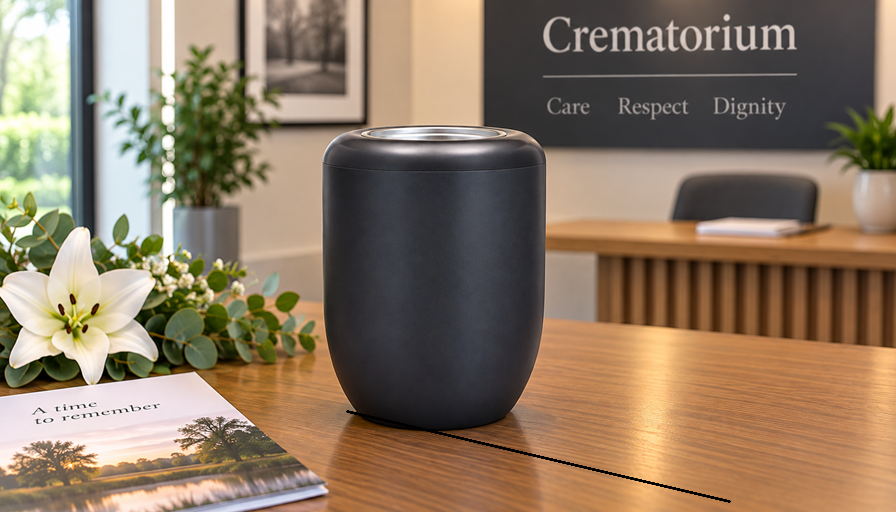
A traditional cremation urn is generally intended to preserve ashes over an extended period.
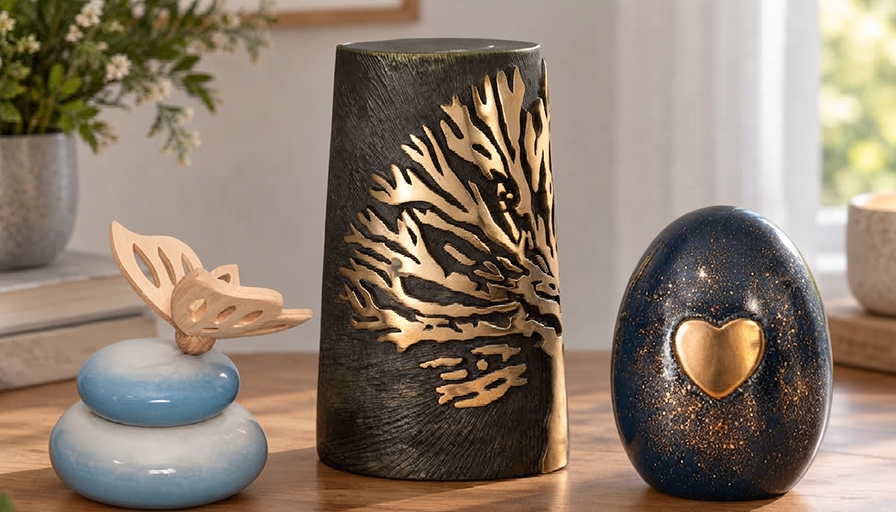
These urns may be made from ceramic, porcelain, bronze, stainless steel, natural stone, glass or wood.
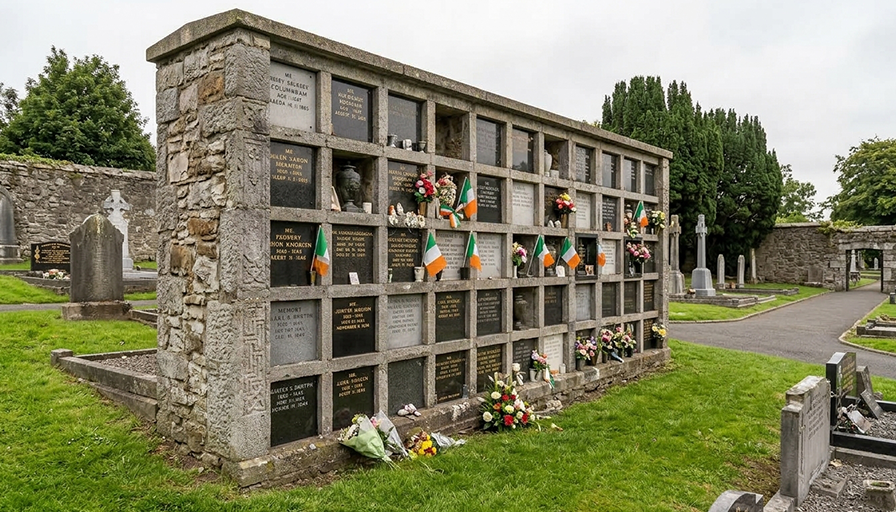
Many are designed for display at home, where they provide a lasting place of remembrance. Others may be suitable for a columbarium or cemetery, subject to the requirements of the location.
A traditional urn does not have to look conventional. Contemporary sculptures, handmade ceramic designs and understated wooden urns can all serve the same purpose.
However, durability varies. A ceramic urn may be suitable for indoor display but vulnerable to impact, while a metal urn's suitability for outdoor conditions depends on its material and finish.
For a detailed comparison of ceramic, metal, glass, stone and other materials, see our guide to choosing the best urn material.
How Long Does a Biodegradable Urn Take to Break Down?
There is no universal decomposition period for biodegradable urns.
The time required depends on several factors, including the material, thickness, construction, soil moisture, temperature and the conditions in which the urn is placed.
A paper-based urn buried in moist soil may break down differently from one placed in dry ground. A salt urn intended for water placement may begin dissolving much sooner after immersion.
Some manufacturers provide estimated decomposition or dissolution times for particular models. These should only be applied to the specified urn and the conditions described.
Biodegradable does not mean that every urn will disappear within a fixed number of weeks or months.
If the timing matters for a planned ceremony, consult the individual product information before making arrangements.
Does the Inner Ash Bag Need to Be Biodegradable Too?
This is an important detail that can easily be overlooked.
Some biodegradable urns are supplied with an inner bag to keep the ashes contained before burial or a water ceremony. Others may have an internal lining or a separate protective covering.
For example, our handmade mulberry-paper urn is supplied with an ivory-coloured silk bag for the ashes and a separate cotton storage bag.
Before the ceremony, check which components are intended to be buried or placed in water and whether the burial ground has any restrictions.
A biodegradable outer urn does not automatically establish the environmental properties of every component inside it.
Natural materials such as silk and cotton also have different breakdown characteristics depending on their treatment and the surrounding conditions.
Follow the manufacturer's filling and placement instructions. Do not remove or replace an inner bag without first checking how the urn is intended to be used.
Before burial or water placement: Check the urn itself, its inner bag, adhesives, coatings and any protective packaging. Confirm which parts belong in the ceremony and which are intended only for transport or storage.
Are Biodegradable Urns Better for the Environment?
Biodegradable urns can be a thoughtful choice when a natural return to the earth or water is intended. However, biodegradability alone does not establish that a product has a lower overall environmental impact.
Material sourcing, manufacturing, transport, coatings, packaging and the way the urn is ultimately used all contribute to its environmental profile.
A durable urn kept for many years may serve a different purpose from a biodegradable urn intended for a single burial ceremony.
It is also important not to confuse the decomposition of an urn with the effects of cremated remains on the environment.
Cremation ashes can be alkaline and contain soluble salts. They do not automatically nourish plants or improve soil conditions.
For tree-planting memorials, follow the specific product instructions rather than assuming untreated ashes will benefit a sapling.
Our sustainability information provides broader guidance about materials, manufacturing and responsible environmental claims.
Which Urn Is Better for Keeping Ashes at Home?
If the ashes are to remain at home for many years, a traditional cremation urn is generally the more practical choice.
Materials such as ceramic, wood, metal, stone or glass can provide a lasting memorial when the urn is designed for indoor display.
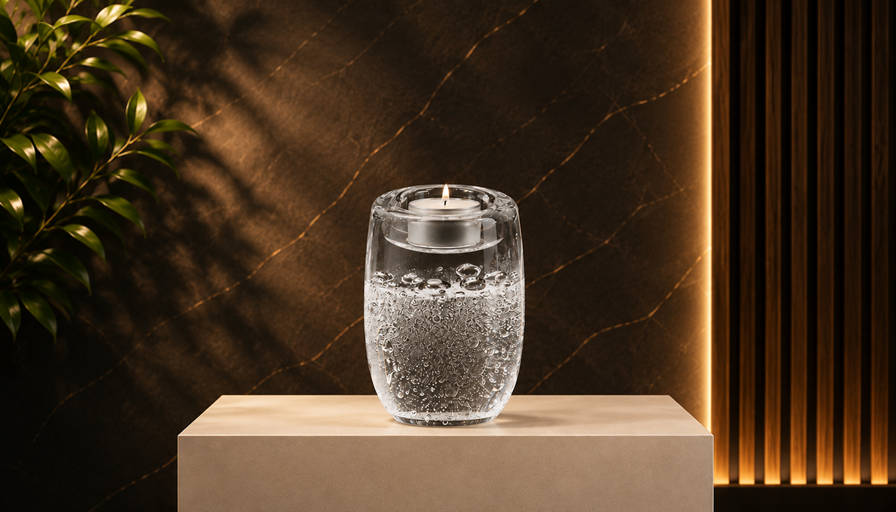
Some families prefer an urn displayed beside a photograph or candle. Others choose a discreet design that can be placed on a shelf or inside a cabinet.
Biodegradable urns can sometimes be stored at home before a planned burial or water ceremony, provided they are kept under suitable conditions.
However, moisture-sensitive materials need particular care, and not every biodegradable urn is intended for extended storage.
Can You Change Your Mind After Choosing a Biodegradable Urn?
Yes, choosing a biodegradable urn does not necessarily mean that the ashes must be buried immediately.
Many models can be stored temporarily in a dry, suitable environment before a ceremony. This can give families time to consider where and when the ashes will be placed.
However, storage suitability depends on the individual urn. Some materials are sensitive to humidity, water or repeated handling.
If you are unsure whether the ashes will eventually be buried, placed in water or kept at home, check the product's intended uses before purchasing.
Some biodegradable urns are designed for both earth and water burial. Others are intended for only one of those purposes.
Once a biodegradable urn has been buried or placed in water, the material may begin to break down. Recovering the container or ashes may then be difficult or impossible, and any later recovery from a burial ground may require permission.
If the final destination of the ashes is still undecided, a durable urn or a suitable temporary container may offer more flexibility.
Which Urn Is Suitable for Burial in Ireland?
Both biodegradable and traditional urns may be suitable for burial in Ireland, depending on the cemetery or graveyard and the individual product.
In the Republic of Ireland, local authorities manage many public burial grounds, while parishes and other organisations may operate separate graveyards.
Requirements can therefore differ between locations. Some burial grounds may accept durable urns, while natural burial sites may have specific conditions relating to biodegradable materials.
Before purchasing an urn for burial, confirm:
- Whether biodegradable materials are required.
- Whether ceramic, metal, stone or wooden urns are permitted.
- Whether an additional outer container is needed.
- Whether there are restrictions on urn dimensions.
- Whether inner bags, coatings or fittings must meet specific requirements.
For information on burial-ground responsibilities, consult the Citizens Information guide to burials and burial grounds.
Always seek confirmation from the burial-ground operator before arranging the interment.
Can Biodegradable Urns Be Used for a Water Ceremony?
Yes, but only when the urn is specifically designed for water placement and the ceremony is permitted at the intended location.
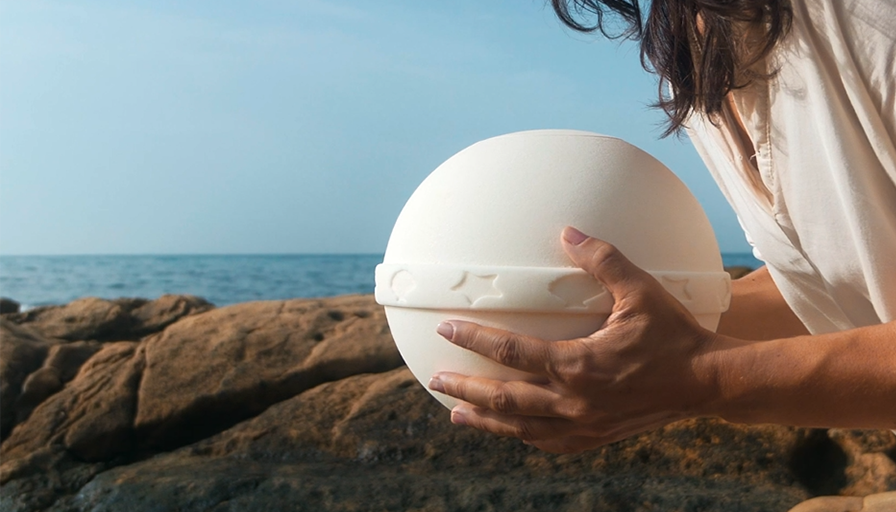
Some biodegradable water urns are made to float briefly before sinking. Others are designed to dissolve after contact with water.
Salt urns and selected paper-based designs are examples, although their behaviour varies between products.
A biodegradable urn intended for soil burial should not automatically be placed in the sea, a river or a lake.
Our biodegradable salt urn is an example of a model intended for placement in water.

In Ireland, the applicable requirements may depend on whether the ceremony takes place at sea, on inland water or at a protected or privately managed location.
Check with the relevant authority or site manager before planning a water ceremony. Permission to scatter ashes does not automatically mean permission to release an urn or other container.
Advantages and Limitations of Each Type of Urn
| Biodegradable urns | Traditional urns |
|---|---|
| Designed for a return to earth or water, depending on the model. | Generally designed for long-term preservation of ashes. |
| Can reflect a preference for a natural farewell. | Can provide a lasting memorial at home. |
| May require protection from moisture before use. | Durability depends on material, finish and placement. |
| Not every model suits both earth and water burial. | Not every model is suitable for outdoor or underground burial. |
| Decomposition depends on environmental conditions. | May remain intact for many years with appropriate care. |
Neither type is universally better. Their advantages depend on what the family wishes to do with the ashes.
How to Choose Between a Biodegradable and Traditional Urn
Three questions can help make the decision clearer.
1. Where Will the Ashes Be Kept or Placed?
If the ashes will remain at home or in another memorial setting for the long term, a traditional urn is generally more suitable.
If an earth burial or water ceremony is planned, a biodegradable urn designed for that purpose may be appropriate.
2. Have You Confirmed the Practical Requirements?
For burial or water placement, check the rules of the intended location.
For home display, consider the urn's stability, closure, durability and position within the home.
If you are still undecided, consider whether the urn can be stored safely while arrangements are being made.
3. Which Choice Reflects Your Wishes?
Some families find comfort in having a lasting urn nearby. Others prefer a ceremony in which the ashes are returned to the natural surroundings that meant something to their loved one.
Both choices can be personal and meaningful.
There is no need to choose a particular material simply because it is described as traditional, natural or sustainable.
Exploring your options? View our biodegradable urns or our collection of cremation urns. Each product has its own intended use and material characteristics.
Frequently Asked Questions
Are Biodegradable Urns Less Durable Than Traditional Urns?
They are designed for different purposes. Traditional urns generally aim to remain intact for long-term remembrance, while biodegradable urns are intended to break down under suitable conditions. The durability of individual products varies.
Can a Biodegradable Urn Be Kept at Home?
Many can be stored temporarily in appropriate dry conditions before burial or a water ceremony. Suitability for longer storage depends on the materials and construction of the individual urn.
Do All Biodegradable Urns Dissolve in Water?
No. Some are intended only for earth burial. Use an urn in water only when the manufacturer confirms that the model is suitable for that purpose.
Are Biodegradable Urns Always More Environmentally Friendly?
No. Biodegradability is only one consideration. Material sourcing, manufacturing, transport, packaging and intended use also influence environmental impact.
Can You Keep Some Ashes Before a Biodegradable Urn Is Buried?
Yes, families may choose to retain a portion of the ashes in a separate keepsake urn, provided the arrangements are made before the main urn is sealed or placed. This can allow a natural farewell while keeping a small remembrance at home.
Can a Traditional Urn Be Buried in an Irish Cemetery?
Possibly. Some burial grounds accept durable urns, while others have particular material or container requirements. Always obtain confirmation from the cemetery or graveyard manager before purchasing.
Choosing an Urn That Feels Right
The difference between biodegradable and traditional urns is not simply a choice between nature and permanence. It is a question of how the ashes will be cared for and where they will eventually rest.
A traditional urn can provide a lasting place of remembrance. A biodegradable urn can form part of a farewell that returns the ashes to earth or water.
Neither option needs to be chosen in haste. Begin with the intended destination of the ashes, check the practical requirements and then consider the design and material.
For broader guidance on size, placement and personalisation, read our guide to choosing a cremation urn.
If you have questions about an individual urn's capacity, materials or suitability, you are welcome to contact legendURN.
We can help with product information, while the relevant burial authority or location manager can confirm any requirements affecting the intended resting place.
Sources and editorial information
- Citizens Information - Burials and burial grounds. General guidance on cemetery arrangements and local responsibilities in Ireland.
- legendURN - Sustainability. Information on materials and responsible environmental choices.
- Mulberry-paper urn product specifications. Information about intended use, the silk inner bag and accompanying storage bag.
Last reviewed: 30 October 2026.
Geographical scope: Republic of Ireland. Local requirements may differ, and separate arrangements apply in Northern Ireland.
Product guidance: Decomposition, storage suitability, included inner bags and permitted placement differ between individual urns. Always consult the relevant product information and obtain any necessary approval before burial or water placement.