Sustainability
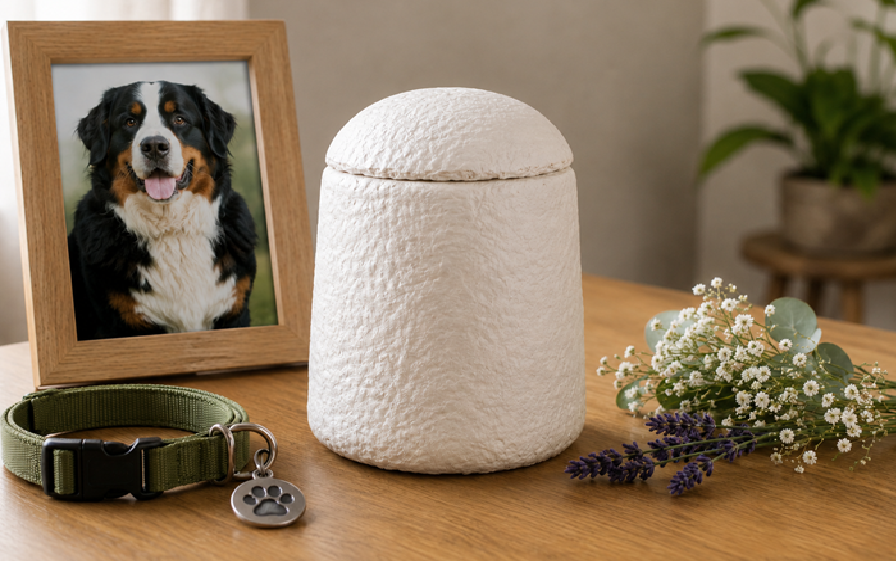
Eco-Friendly Pet Urns: Burial, Water and Living Memorial Options
Eco-friendly pet urns can serve very different purposes. Some are designed to biodegrade after burial, others dissolve in water, while planting systems combine ashes with a living memorial. If the ashes will remain at home, a durable urn may be the more suitable choice. The destination therefore matters more than whether an urn is simply described as “green” or “natural.”

Scattering ashes in Ireland: what families should know
Scattering a loved one’s ashes is a deeply personal and symbolic gesture. For many families in Ireland, it represents a connection to nature, the sea, a favourite place or the fulfilment of a final wish. The ceremony itself can be simple and intimate, but it is still important to check the practical side: who releases the ashes, where they may be scattered, whether permission is needed and whether a funeral director, crematorium, local authority, landowner or site manager should be consulted first. This guide explains what families in Ireland should know before scattering ashes.
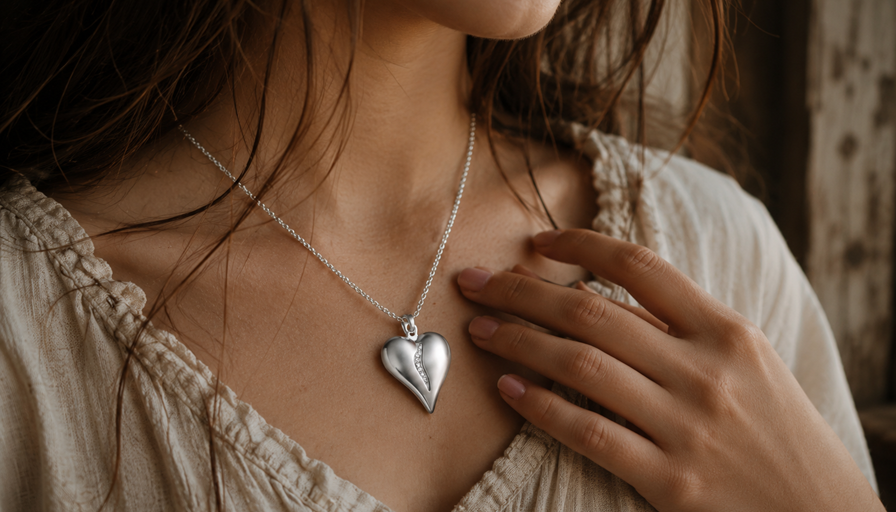
What Happens to Jewellery During Cremation? The Question Many Families Forget to Ask
A wedding ring, necklace or small pendant can hold a lifetime of meaning, but many families only start thinking about jewellery when a cremation is already being arranged. Can it stay with the person? Will it survive the heat? Can it be returned afterwards? In this blog, we explain what usually happens to jewellery during cremation in the UK, why funeral directors often advise removing valuable or sentimental items beforehand, and which questions families should ask before making a final decision.
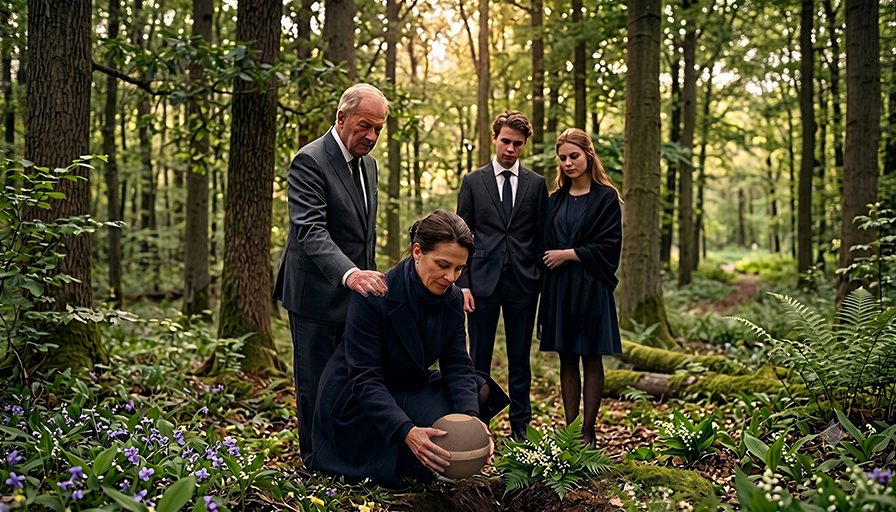
Can You Bury Ashes After Cremation in the UK?
For many families, the question of where ashes should rest becomes important only after the first days of grief and practical arrangements have passed. Burying ashes can offer a lasting place of remembrance, but in the UK the decision involves more than choosing a meaningful location. Permissions, land ownership, cemetery rules, urn materials and future access all play a role in creating a memorial that still feels right years later.
Why Wood Feels So Personal in Modern Memorials
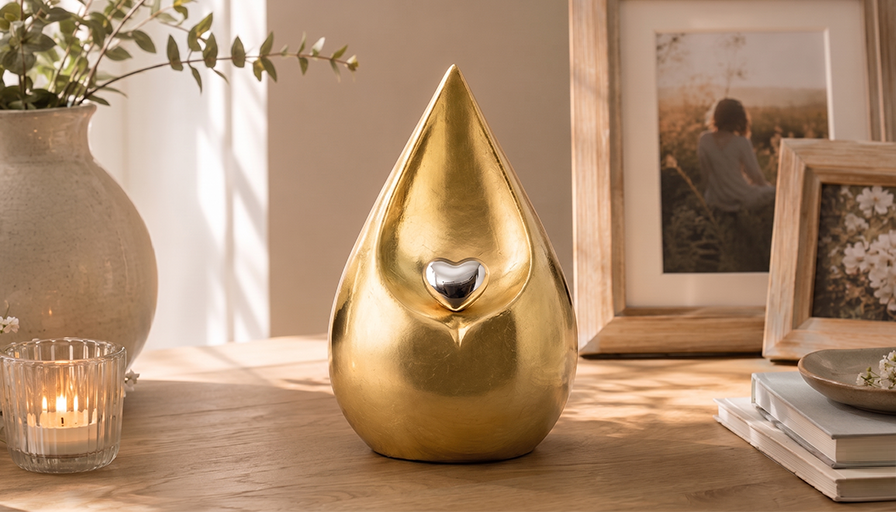
A wooden urn is more than a natural alternative to metal, ceramic or stone. For many families, it offers a quieter and more personal way to keep a loved one close. The grain, texture and craftsmanship give each urn its own character, while the material itself often feels connected to nature, simplicity and continuity. As more people in the USA and the UK look for memorial choices that feel meaningful, discreet and environmentally conscious, wooden cremation urns have become a thoughtful option for both home display and carefully planned burial.
Creating a Lasting Pet Memorial Space at Home with Comfort and Meaning
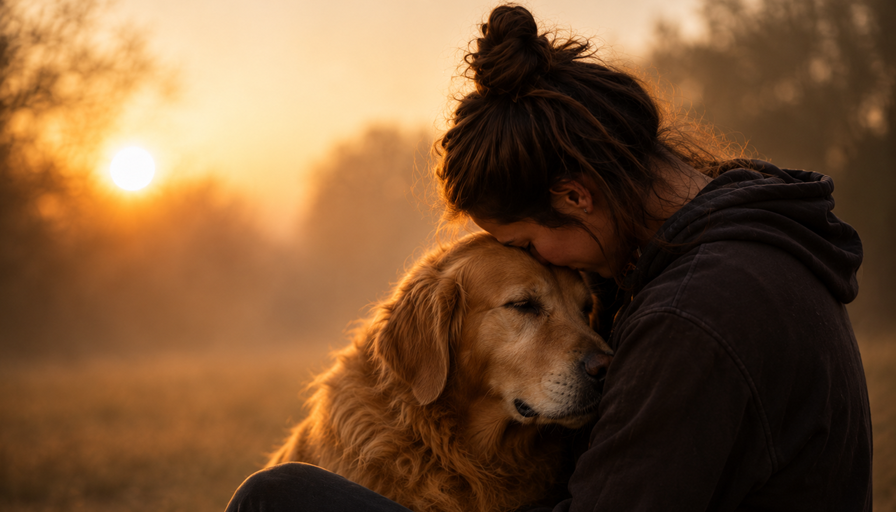
When a pet passes away, the home can feel different in ways that are difficult to explain. A favourite sleeping place is suddenly empty, familiar routines disappear, and small daily moments can feel quieter than before. For many families in the USA and the UK, creating a memorial space at home offers a gentle way to keep a beloved pet’s memory close. This space does not need to be large or elaborate. A framed photograph, a pet urn, a collar, a paw print, or a few carefully chosen keepsakes can be enough to create a place of comfort, reflection, and lasting connection. Whether it is a small shelf, a peaceful garden corner, or a dedicated display in the home, the most meaningful memorial is one that honestly reflects the bond you shared.
When an Urn Becomes More Than a Memorial
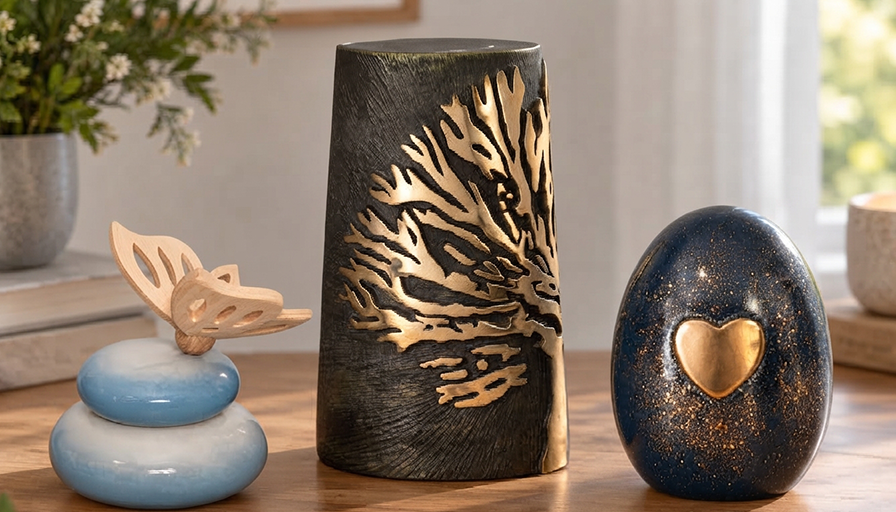
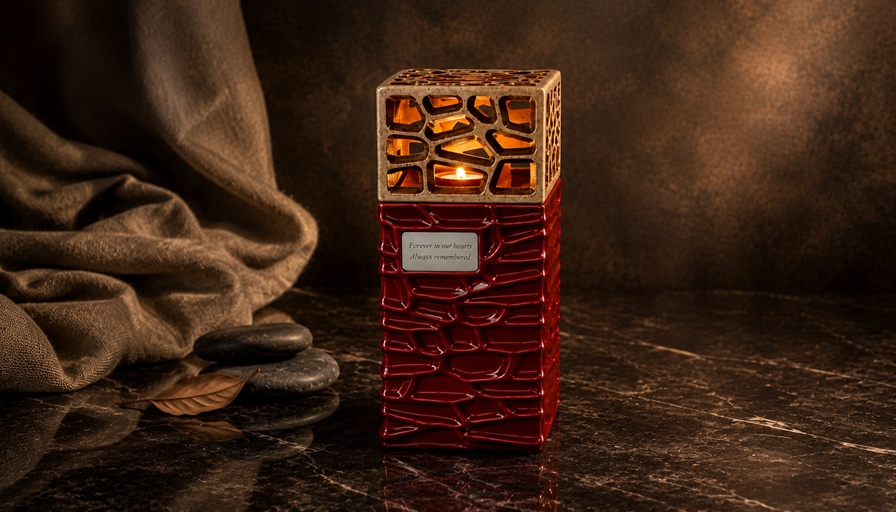
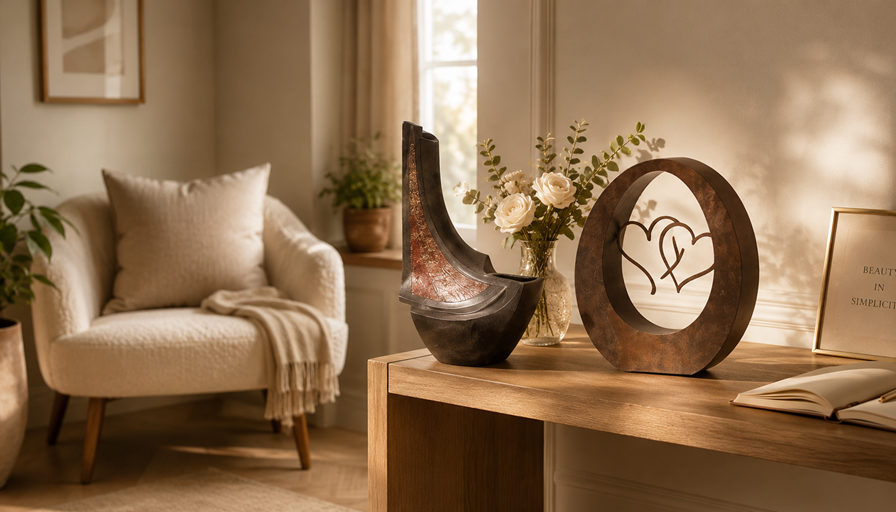
A cremation urn is no longer chosen only for its function. For many families in the US and UK, it has become a deeply personal object, one that reflects a life, a character, a love story, or a place in the home where memory remains present. Unique cremation urn designs answer that need with more than beauty alone. Through shape, material, colour and symbolism, they help families create a tribute that feels less standard and more honest, less formal and more connected to the person being remembered.
Traditional or Contemporary Urns? The Choice Is More Personal Than It Seems
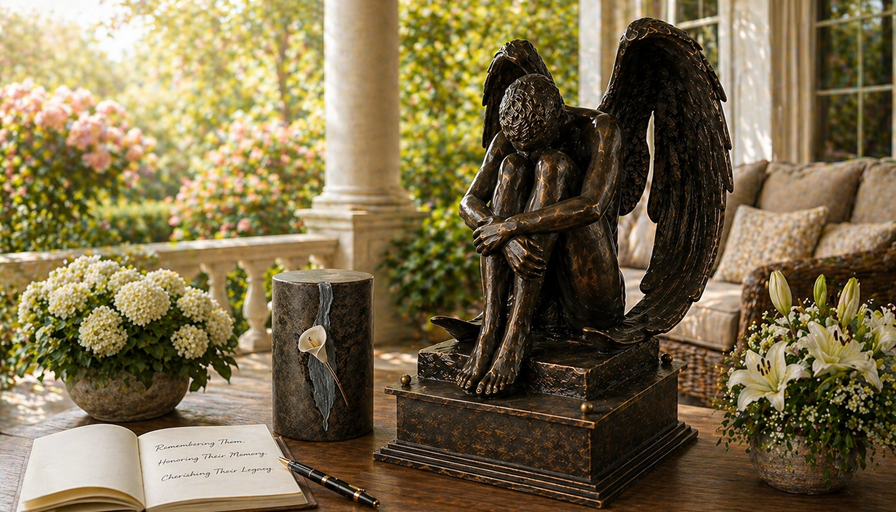
A cremation urn is often chosen at a moment when practical decisions and emotion come together. Yet the difference between a traditional and contemporary urn can shape how remembrance feels for years to come. Some families find comfort in a familiar, classic design, while others prefer a modern urn that feels more personal, discreet, or connected to the home. Understanding that difference makes it easier to choose an urn that truly fits the person, the setting, and the memory being preserved.

Seven Meaningful Ways to Scatter Ashes With Care and Intention
Scattering ashes is a deeply personal choice, often shaped by memory, place, and the kind of farewell a family wants to create. Some prefer a quiet moment close to home, while others choose a landscape, shoreline, or destination that carried meaning during life. This guide explores seven thoughtful ways to scatter ashes, with attention to both emotional significance and practical considerations. It is written to help families make a choice that feels fitting, respectful, and manageable.
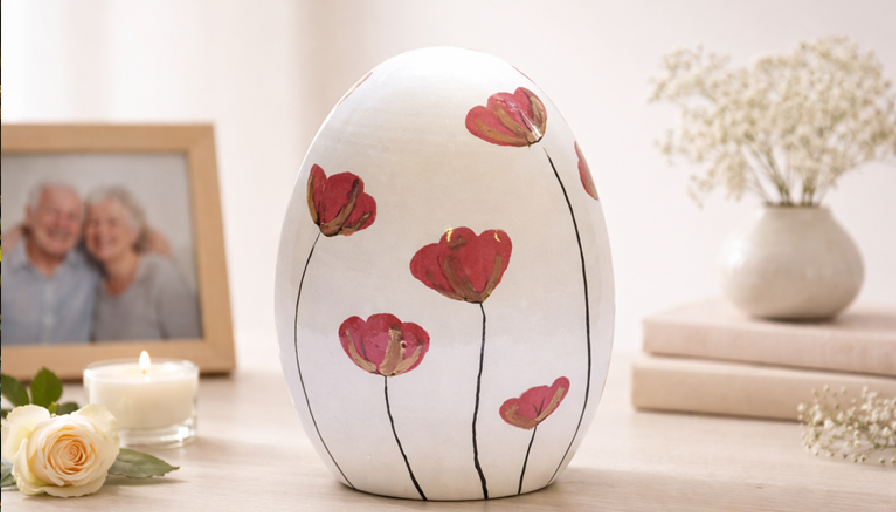
Why Many Families Choose Ceramic Urns for a Lasting Memorial
Ceramic cremation urns are often chosen because they offer something many families want at the same time: dignity, warmth, visual beauty, and a sense of permanence. They can feel more personal than purely functional materials, and they often sit naturally in the home as part of a calm memorial space rather than as an object that draws unwanted attention.