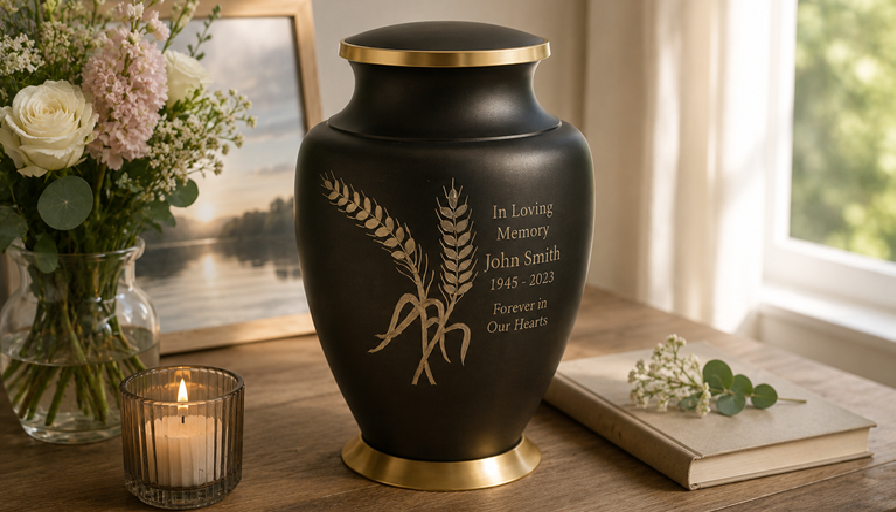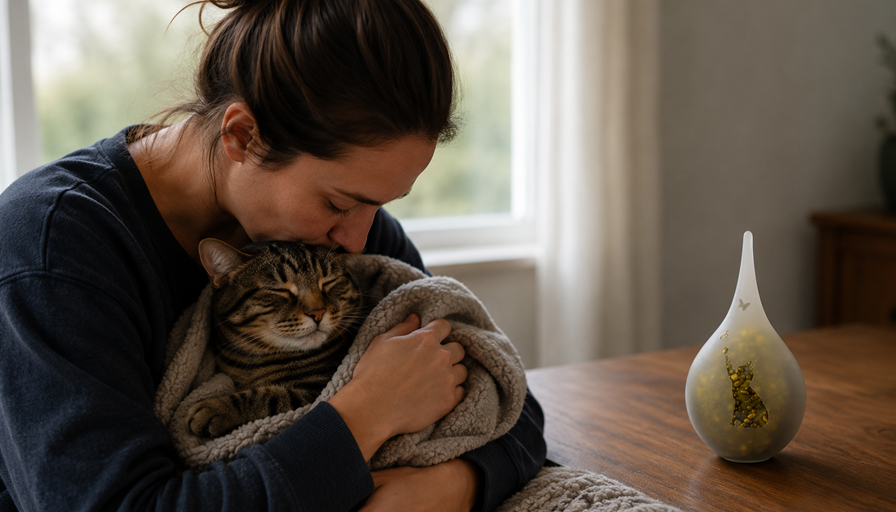
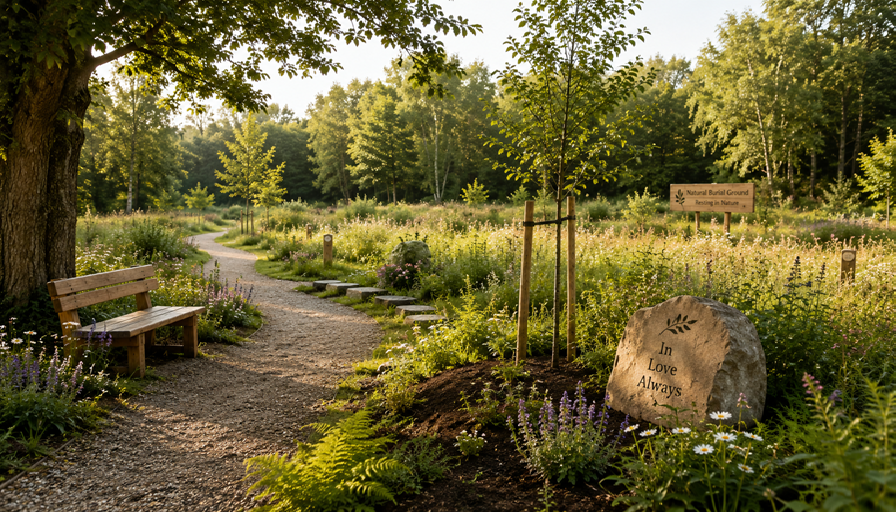
Quick answer: A green burial is a funeral choice that focuses on natural materials, minimal environmental impact and a simpler return to the earth. If cremation is part of your plans, sustainable memorial options may include a biodegradable urn for burying ashes naturally, or a scattering tube for a respectful ash scattering ceremony where local rules allow.
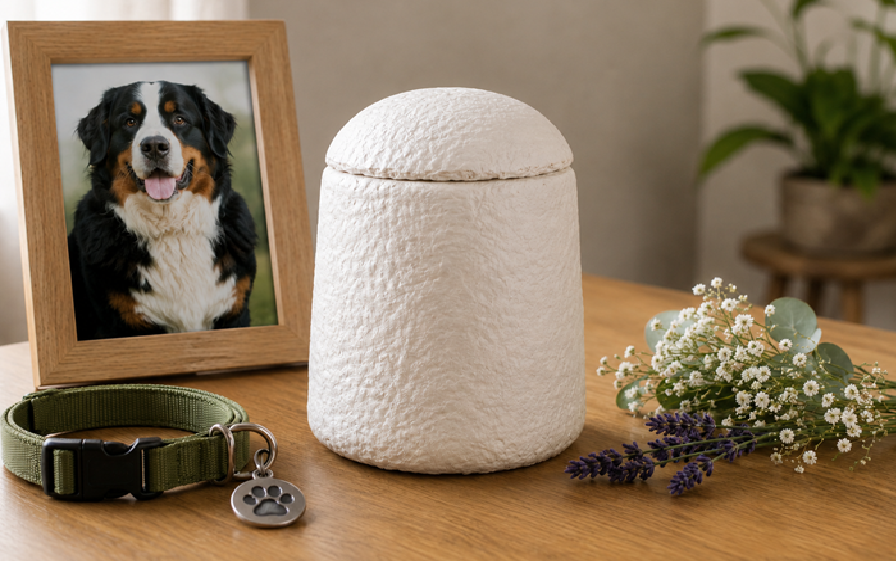
Biodegradable urns
For families who want to bury ashes in a natural setting, choose a softer environmental option, or return ashes to the earth in a respectful way.
Scattering tubes
For families who want to scatter ashes in a place that held meaning. A scattering tube can help make the moment calmer, more controlled and more dignified.
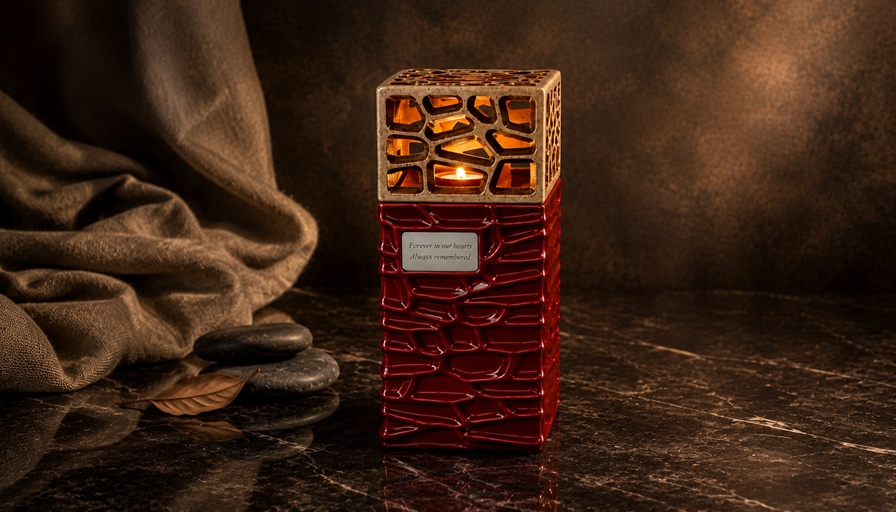
Memorial products
For creating a lasting place of remembrance at home, in the garden, near a grave, or in another place that feels personal.
Understanding Green Burials and What They Mean Today
A green burial is a burial approach designed to reduce environmental impact while allowing the body to return naturally to the earth. Instead of using practices mainly intended to preserve the body or create permanent structures, green burials focus on simplicity, natural materials and lower resource use.
For many families in the USA and UK, choosing a green burial is not only an environmental decision. It can also reflect values around simplicity, connection to nature, thoughtful planning and a quieter form of remembrance.
Green burial options can vary depending on local regulations, cemetery policies and the type of burial ground. Still, the core principles are usually similar: minimal environmental intervention, biodegradable materials and respect for natural surroundings.
Good to know: Green burial does not mean that every part of the funeral must feel unfamiliar. Many families combine natural burial principles with music, readings, flowers, family participation, religious or personal rituals, and a small memorial object kept at home.
What Happens During a Green Burial?
In a green burial, the body is usually buried without conventional embalming, or only with approved alternatives where permitted. The body may be wrapped in a natural burial shroud or placed in a biodegradable coffin made from materials such as untreated wood, willow, bamboo, cardboard, seagrass or other natural fibres.
The burial itself often takes place in a natural burial ground, woodland cemetery, conservation cemetery, or a designated green section within a traditional cemetery.
Unlike many conventional cemeteries, these locations may avoid concrete burial vaults, elaborate grave structures and intensive landscaping. Some sites allow simple markers, while others preserve the landscape without visible monuments.
Typical elements of a green burial include:
- A biodegradable coffin, casket or burial shroud
- Little or no conventional embalming
- No concrete vault where local rules and cemetery policies allow
- Natural landscaping or woodland-style surroundings
- Materials that are intended to break down naturally over time
- Simple memorial approaches, such as planting, natural markers or recorded grave locations
Green Burial in the USA and UK: What Is Different?
The philosophy behind green burial is similar in the USA and UK, but the practical details can be different. Availability, cemetery rules, land use, burial depth, memorial options and accepted materials may all depend on the location.
Use the comparison below as general orientation only. Always confirm the rules with the chosen cemetery, funeral director, local authority, landowner or burial ground.
| Topic | USA | UK |
|---|---|---|
| Availability | Green burial availability depends strongly on state rules, cemetery policies and local providers. | Natural and woodland burial grounds are more established in many areas, although rules still vary by site. |
| Burial vaults | Some cemeteries may require vaults or liners, while dedicated green burial grounds may avoid them. | Natural burial sites usually focus on biodegradable materials and minimal permanent structures. |
| Memorials | Rules differ widely. Some sites allow simple markers, while others focus on conservation and natural landscape. | Many natural burial grounds limit traditional headstones and may prefer trees, natural stones or digital records. |
| Cremated ashes | Ashes may be buried or scattered in many places, but rules vary by state, landowner, cemetery and public land authority. | Ashes may often be buried or scattered with permission, but local site rules and landowner consent should always be checked. |
Green burial in the USA
In the United States, green burial options depend heavily on state regulations, cemetery practices and the availability of local natural burial providers. Dedicated natural cemeteries and conservation burial grounds have become more visible in recent years, but they are not available everywhere.
Some locations prioritise ecological restoration and land conservation alongside burial services. Others offer a green section within a more traditional cemetery. Burial vault requirements can also vary, so confirming local rules early is important.
Green burial in the UK
In the United Kingdom, natural burial grounds and woodland burial sites are widely recognised. Many locations encourage native planting and maintain a more natural appearance over time.
Memorial rules may be stricter than in conventional cemeteries. Some sites prefer trees, simple wooden markers, natural stones, location records or digital memorial pages instead of traditional headstones. If location matters to your family, visiting the burial ground beforehand can provide reassurance and help set expectations.
Where Cremation Fits Into a Green Funeral Choice
Green burial and cremation are often compared, but many families do not experience this as a purely technical choice. It is also emotional, practical and personal. Some people prefer burial in a natural setting. Others choose cremation and then look for a memorial option that still feels simple, natural and environmentally conscious.
If cremation is chosen, the most relevant sustainable options are usually biodegradable urns, scattering tubes, natural keepsake urns and carefully chosen memorial products that are intended to last.
For burying ashes
A biodegradable urn may be suitable when ashes will be buried in soil, placed in a natural burial area, or returned to the earth in a symbolic way.
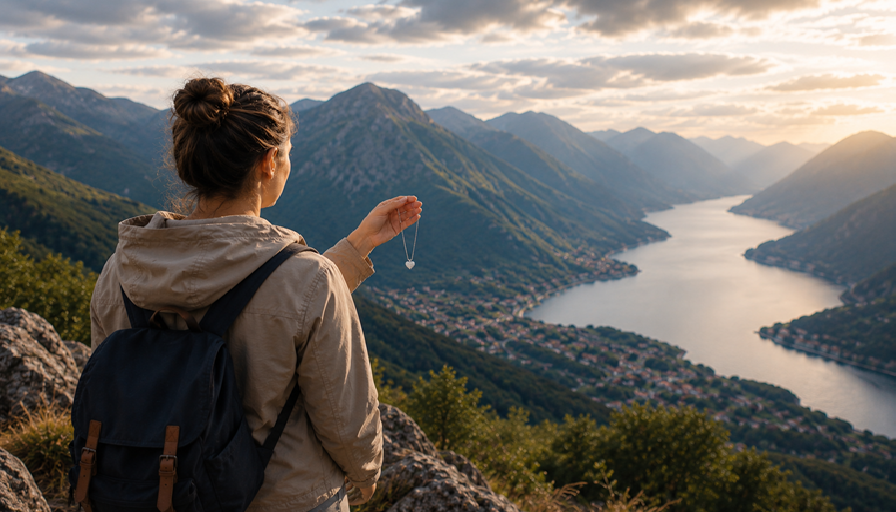
For scattering ashes
A scattering tube can help families scatter ashes more calmly and with more control, especially outdoors or near a place that held special meaning.
For keeping a small memory
Some families scatter or bury most of the ashes, while keeping a small memorial item at home as a tangible reminder of the person they miss.
Is a Green Burial More Environmentally Friendly?
Green burials are often chosen because they can reduce environmental impact compared with many conventional burial methods. Traditional burials may involve embalming chemicals, metal components, hardwood caskets, concrete vaults and long-term maintenance of landscaped cemetery grounds.
Green burial practices aim to reduce some of these factors by using natural materials and allowing decomposition to happen more directly. That said, environmental impact depends on individual choices. A locally made biodegradable coffin, nearby burial site and minimal transport may together create a lower footprint than a more complex arrangement.
It is helpful to view green burial as a spectrum rather than an all-or-nothing decision. A family may choose a fully natural burial, or they may choose cremation with biodegradable materials, a scattering ceremony, or a smaller lasting memorial.
Important: Words such as green, natural, eco-friendly and biodegradable can mean different things depending on the product, cemetery or provider. Always check which materials are accepted, how the burial ground is managed, and whether the memorial option matches the local rules.
Green Burial, Biodegradable Urns or Scattering Tubes: Which Option Fits?
The right choice depends on what will happen to the body or ashes, where the remembrance will take place, and how much visible memorial presence the family wants afterwards.
| Choice | Often suitable when | What to check first |
|---|---|---|
| Green burial | The body will be buried in a natural burial ground, woodland cemetery or green section of a cemetery. | Local burial rules, accepted shrouds or coffins, memorial restrictions and visiting access. |
| Biodegradable urn | Ashes will be buried, placed in soil, returned to nature, or used in a natural cremation memorial. | Whether the urn is accepted by the cemetery, burial ground, memorial garden or chosen location. |
| Scattering tube | Ashes will be scattered in a meaningful place, such as a garden, woodland area, coastline, lake or family location. | Landowner permission, local rules, wind direction, privacy and whether scattering is allowed at the chosen place. |
| Home memorial | The family wants a personal place of remembrance at home, even if ashes are buried or scattered elsewhere. | Whether you want to keep all ashes, a small portion, a keepsake, jewellery or a symbolic memorial object. |
Who Chooses Green Burial and Why?
People choose green burial for many reasons. Some are motivated by environmental values. Others prefer the simplicity and understated character of natural burial spaces. For some families, a woodland or meadow setting feels more aligned with how they want remembrance to exist over time.
Green burial is also increasingly considered by people planning their own arrangements in advance. Writing down these wishes can help relatives understand not only what should happen, but also why it mattered.
Common reasons include:
- Reducing environmental impact
- Choosing a calmer and more natural setting
- Avoiding unnecessary permanent materials
- Preferring a simpler farewell
- Making arrangements that reflect personal values
- Combining burial, cremation or scattering with a meaningful form of remembrance
Can You Still Have Memorials with a Green Burial?
One of the most common misunderstandings is that green burial means giving up remembrance. In reality, many families combine a natural burial with meaningful memorial traditions.
Depending on local rules, remembrance may take different forms. Some burial grounds allow simple engraved natural stones, small wooden markers or native planting. Others keep the landscape more open and record the location in a map, registry or digital memorial system.
Possible memorial choices include:
- A simple engraved natural stone where permitted
- A tree, shrub or native planting scheme
- A memorial bench or shared remembrance area
- A digital memorial record linked to the burial location
- A small keepsake at home
- A symbolic memorial object for a shelf, garden or quiet corner
For some families, keeping remembrance separate from the burial location creates flexibility. The natural burial site can remain simple and undisturbed, while a personal memorial space exists at home.

Green Burial and Cremation: Which Is More Sustainable?
People often compare green burial and cremation when thinking about environmental impact. There is no universal answer. Cremation uses energy and creates emissions, while traditional burial uses land and materials. Green burial aims to reduce material use and support natural decomposition.
At the same time, cremation followed by thoughtful memorial choices can also align with environmental priorities. For example, families may choose a biodegradable urn, a scattering tube, a simple memorial ceremony, or a long-lasting memorial product instead of replacing temporary items repeatedly.
The most suitable decision often depends on location, available services, travel distance, family wishes and the rules of the chosen cemetery, burial ground or scattering place.
Practical approach: Start with the final destination. Will the body be buried, will ashes be buried, will ashes be scattered, or will a portion of ashes be kept? Once that is clear, it becomes much easier to choose the right product, material and memorial style.
Questions to Ask Before Choosing a Green Burial
Before making arrangements, it helps to gather practical information. This can prevent disappointment later, especially when a family expects a visible memorial, a specific type of coffin, or the option to bury ashes in the same natural area.
About the burial ground
- Is this a fully dedicated natural burial ground or a green section within a traditional cemetery?
- What types of coffins, shrouds or urns are accepted?
- Are concrete vaults or liners required?
- Can family members visit freely throughout the year?
- How is the exact burial location recorded?
About burial materials
- Which materials are considered biodegradable by the burial ground?
- Are there restrictions on metal, plastic, varnish, paint or synthetic fabric?
- Is embalming discouraged or not accepted?
- Can flowers, letters or personal objects be placed in the grave?
About ashes and remembrance
- Can ashes be buried in the natural burial area?
- Does the site accept biodegradable urns for ashes?
- Is ash scattering allowed on site?
- Are visible markers, trees, benches or natural stones permitted?
- Can future family burials or ash burials take place nearby?
Common Concerns About Green Burials
Will the burial feel too simple?
Simplicity does not mean less care or less meaning. Many families describe natural ceremonies as intentional, calm and focused. A green burial can still include music, readings, flowers, family participation and personal rituals.
Will we still have somewhere to visit?
Most green burial locations provide maintained access and a way to identify the burial location, even when visible memorials remain minimal. It is wise to ask how the grave is recorded and how visitors can find it later.
Can traditions still be included?
Often yes. Many traditions can still be part of a natural burial ceremony, as long as they fit the guidelines of the burial ground. This may include readings, religious elements, music, flowers, family involvement or a small gathering at the graveside.
Is green burial only for environmentally focused families?
No. Environmental considerations may be one factor, but many people are also drawn to the calm, understated and personal nature of the experience.

Planning Ahead: Is It Worth Discussing Early?
Green burial works best when there is time to explore options. Planning ahead allows practical questions to be answered without urgency and gives family members a clearer understanding of personal preferences.
Even if no decisions are final, documenting general wishes can reduce uncertainty later. Simple notes about burial preferences, cremation choices, scattering wishes, memorial ideas and personal values can be enough to guide future decisions.
Write down the preferred setting
For example: woodland, meadow, family cemetery, private land where allowed, coastline, garden or another meaningful place.
Describe the memorial style
Some people want no visible marker. Others prefer a tree, small stone, keepsake, urn, jewellery or home memorial.
Share practical wishes
Tell family members whether you prefer burial, cremation, ash burial, scattering, or a combination of these options.
Choosing a Sustainable Cremation Memorial
If cremation feels more suitable than full-body burial, there are still several ways to keep the memorial choice simple and nature-focused. The most important question is what will happen to the ashes.
If all ashes will be buried, a biodegradable urn may be the most logical option. If the ashes will be scattered, a scattering tube can make the ceremony easier to handle. If the family wants to keep a small part close, a keepsake urn or piece of ashes jewellery may offer comfort alongside burial or scattering.
Need help choosing? View our biodegradable urns if the ashes will be buried naturally, our scattering tubes if you are planning a respectful scattering ceremony, or our cremation urns for ashes if you are still comparing different memorial options.
FAQ About Green Burials
What is the difference between a natural burial and a green burial?
The terms are often used interchangeably. In practice, both usually refer to burial approaches focused on reducing environmental impact, using natural materials and allowing a simpler return to the earth.
Are green burials legal in the USA and UK?
Green burials are possible in both the USA and UK, but the exact rules depend on state or local regulations, cemetery policies, land ownership and the chosen burial ground. Always confirm the rules with the funeral provider, cemetery or local authority.
Do green burials cost less?
Costs vary. Some green burials may cost less because fewer materials are involved, while dedicated natural burial grounds or conservation cemeteries may have their own pricing structure. The total cost depends on the location, provider, coffin or shroud, ceremony and memorial choices.
Can ashes be buried in a green burial area?
Many locations permit this, especially when a biodegradable urn is used, but policies differ. Always ask whether the site accepts cremated ashes, which urn materials are allowed and whether a visible memorial is possible.
Can ashes be scattered as part of a natural farewell?
Often yes, but permission and local rules matter. Scattering may require landowner consent, cemetery approval, public land permission or compliance with specific environmental rules. A scattering tube can help make the ceremony more controlled and respectful.
Can family members visit regularly?
Most natural burial sites allow visits, although access, paths, maintenance and visible markers may differ from traditional cemeteries. Ask how the location is recorded and whether the site remains accessible throughout the year.
Do green burials mean no memorial at all?
No. Remembrance can still exist through natural markers, planting, a shared memorial area, home memorials, keepsakes, jewellery, photographs, letters or carefully chosen memorial products.
Is a biodegradable urn always suitable for burial?
Not automatically. Suitability depends on the material, the burial location and the rules of the cemetery or natural burial ground. Some places have specific requirements for urns, coatings, adhesives, decoration or decomposition.
What is the most practical first step?
Start by deciding the final destination: burial of the body, burial of ashes, scattering of ashes, or keeping ashes in a memorial urn. From there, you can compare locations, materials, rules and memorial options more clearly.
A Thoughtful Approach to Sustainable Remembrance
Green burial is ultimately about creating a farewell that reflects personal values while reducing environmental impact where possible. For some people, that means returning to simpler burial practices. For others, it means choosing cremation and combining it with a biodegradable urn, a scattering tube, or a quiet form of remembrance at home.
The right choice is rarely about following a trend. It is about selecting an approach that feels considered, practical and meaningful for the people involved.
If you are exploring environmentally conscious memorial options, it can help to compare biodegradable urns, scattering tubes, cremation urns for ashes and memorial products before making a final decision.
If you feel certain information is missing or you have questions after reading this guide, please feel free to contact us via the contact form.
meta titel Green Burials Guide | Biodegradable Urns & Scattering Tubes meta omschrijving Learn how green burials work in the USA and UK, how they compare with cremation, and when biodegradable urns or scattering tubes may be suitable.