What Can You Bring to a Grieving Family?
If you are wondering what to bring to a grieving family, the most thoughtful gifts are usually the ones that reduce pressure, offer comfort, or create space for remembrance. A meaningful gesture does not need to be expensive or elaborate. It simply needs to feel considerate, appropriate and easy for the family to receive.
In the days after a loss, families are often surrounded by messages, arrangements and visitors. What helps most is usually something that makes daily life a little lighter. Later, when things become quieter, remembrance gifts can become more meaningful.
The ideas below are intended to help you choose with care, whether you are supporting close family, a friend, a neighbour, a colleague or someone in your wider circle.
Start With One Simple Question
Before choosing a sympathy gift, ask yourself one question: what would make this moment feel a little less heavy?
The right answer often depends on timing.
- In the first days after the loss, practical support is often most helpful.
- In the weeks that follow, memory-focused gifts can feel more meaningful.
- Months later, a quiet gesture of remembrance can show that their loved one has not been forgotten.
Matching the gesture to the family’s situation matters more than choosing something impressive. A simple gift, offered at the right time, can feel deeply supportive.

1. A Meal or Food Delivery That Requires No Decisions
Food remains one of the most practical things to bring to a grieving family. In the first days after a loss, even simple decisions such as what to eat can feel difficult.
The most helpful meals are easy to store, easy to reheat and suitable for different schedules. Think of prepared meals, bakery items, breakfast baskets, soup, freezer-friendly dishes or a gift card for a local food service.
Where possible, consider dietary needs, children in the household and whether the family already has a large number of visitors.
A short note can make the gesture feel gentle rather than intrusive:
“No need to reply. I just wanted to make one thing a little easier this week.”
Avoid anything that requires immediate preparation, takes up too much storage space, or creates extra work for the family.
2. A Practical Care Package
Support does not always need to look emotional. Sometimes the most thoughtful gift is one that quietly removes small everyday burdens.
A practical care package can include simple items that are useful without demanding attention.
- Tea, coffee or comforting pantry items
- Simple snacks
- Hand cream or gentle self-care products
- Tissues, candles or soft household basics
- A handwritten note
Keep the presentation calm and modest. The aim is not abundance, but care. A small, well-considered package often feels more appropriate than a large gift basket full of things the family may not need.
3. Specific Help With Everyday Tasks
One of the most valuable gifts often costs nothing: time.
General offers such as “let me know if you need anything” are kindly meant, but they can unintentionally place another decision on the grieving family. Specific offers are easier to accept.
Helpful examples include:
- “I can collect groceries on Thursday.”
- “I can help with school pick-up this week.”
- “I can walk the dog while visitors are coming.”
- “I can drop off a meal and leave it by the door.”
- “I can help with the garden or small household tasks.”
When offering help, make it clear that there is no pressure to respond immediately. Grieving people often remember who made things easier without expecting anything in return.
4. A Memory Journal or Reflection Book
After a funeral or memorial service, many stories are shared once and then slowly fade from daily conversation. A memory journal gives family and friends a place to preserve those moments.
This can be especially meaningful after the loss of a parent, partner, child, close friend or beloved pet. It allows people to record stories, messages, photographs, small details and memories that might otherwise be forgotten.
Choose a journal that feels understated and well made. Avoid designs that are too heavily themed or overly sentimental, unless you are certain they suit the family’s taste.
You can offer it gently with a note such as:
“There is no need to fill this in now. I thought it might be a place for memories whenever the time feels right.”
5. A Donation Connected to Their Loved One
For some families, a donation can feel more meaningful than flowers or a physical gift. This is especially true when the person who died supported a cause, cared deeply about animals, helped a community group, or had a connection to a particular charity or care organisation.
A donation is most appropriate when the family has already mentioned preferred memorial wishes. If you are unsure, keep the amount private and the message simple.
The gesture should never become the centre of attention. It is best offered quietly, as a way of recognising something that mattered to the person who has died.
6. A Plant Instead of Traditional Flowers
Flowers are a familiar sympathy gesture, but they are temporary by nature and may require care at a time when the family already feels overwhelmed.
A simple plant, potted tree or seasonal garden planting can offer a longer-lasting alternative. It may become a quiet reminder in the home or garden, especially if the family enjoys plants or outdoor spaces.
Choose something low-maintenance. Avoid delicate plants that need frequent watering, special conditions or careful handling.
Simple and elegant is usually better than large and dramatic.
7. A Photo-Based Gift That Preserves Everyday Memories
Photographs often become more precious after a loss, especially ordinary images that capture daily life rather than formal occasions.
A photo-based gift can be meaningful when chosen with sensitivity.
- A small printed photo collection
- A simple memory album
- A framed candid photograph
- A restored older image
- A digital folder of carefully selected photos
Avoid highly emotional images unless you know the family would welcome them. The most comforting photographs are often the ones that feel natural, warm and true to the person’s life.
8. A Thoughtful Keepsake for Remembrance
Some gifts are not meant to be used immediately. They become meaningful over time.
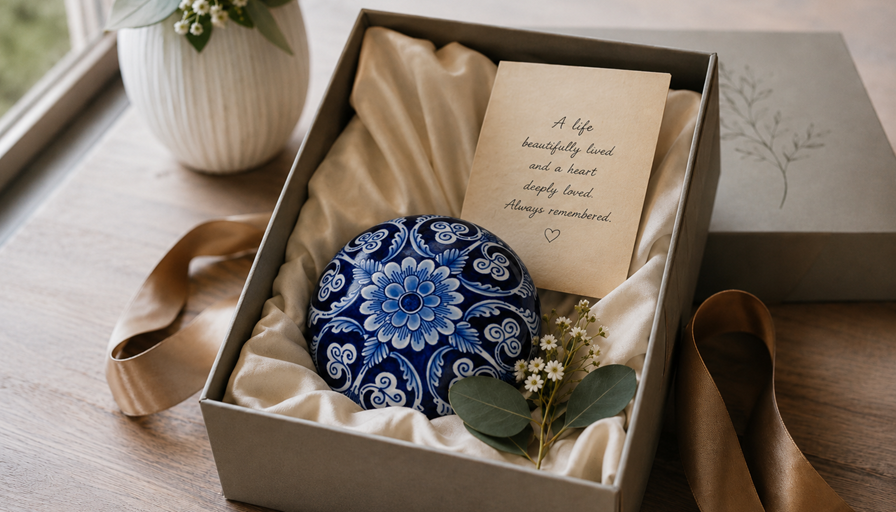
A small keepsake can offer a physical place for remembrance without dominating the home. This might be a memory box, a discreet display piece, a small engraved object, or a carefully chosen item connected to the person’s life.
Examples include:
- A memory box for letters, photographs or small belongings
- A simple frame for a handwritten note or photograph
- A discreet keepsake object
- A small remembrance candle holder
- A custom memorial item chosen with the family’s taste in mind
If a keepsake is custom made, give the family complete freedom over whether and when they use it. Remembrance should never feel rushed.
9. A Private Wearable Memorial Piece
Not every family wants visible memorial objects in the home. For some people, remembrance feels more natural when it can stay close and private.
A wearable memorial piece can offer this in a quiet way. Modern memorial designs are often created to look discreet and personal rather than traditional or openly symbolic.
These pieces may include pendants, bracelets, rings or other small designs created to hold personal meaning. Some are chosen after cremation, while others are selected simply as a symbolic reminder.
This type of gift is usually most appropriate when you know the recipient well. If you are not sure, it may be better to offer to help them choose later rather than selecting something on their behalf.

10. Contributing Towards an Urn or Memorial Keepsake
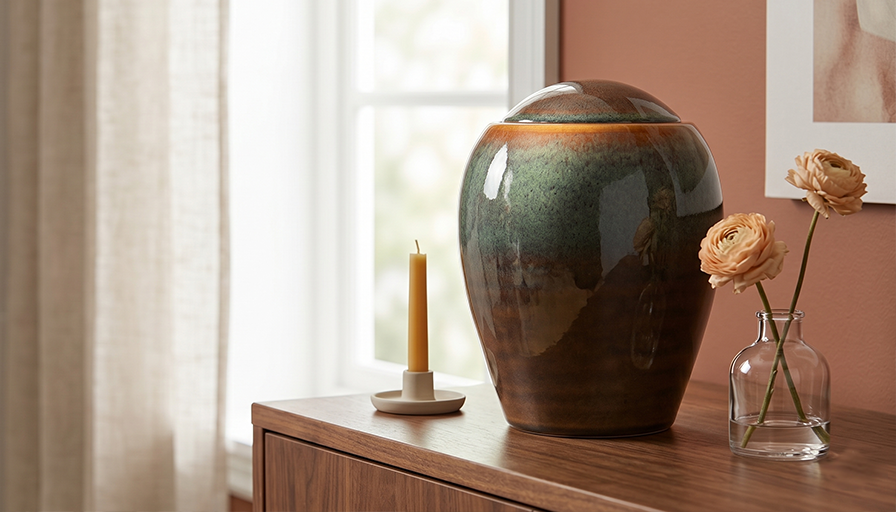
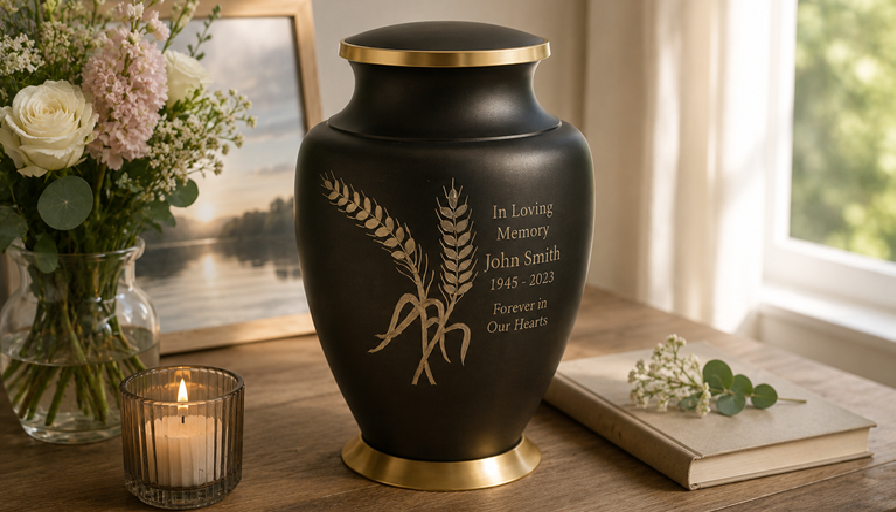
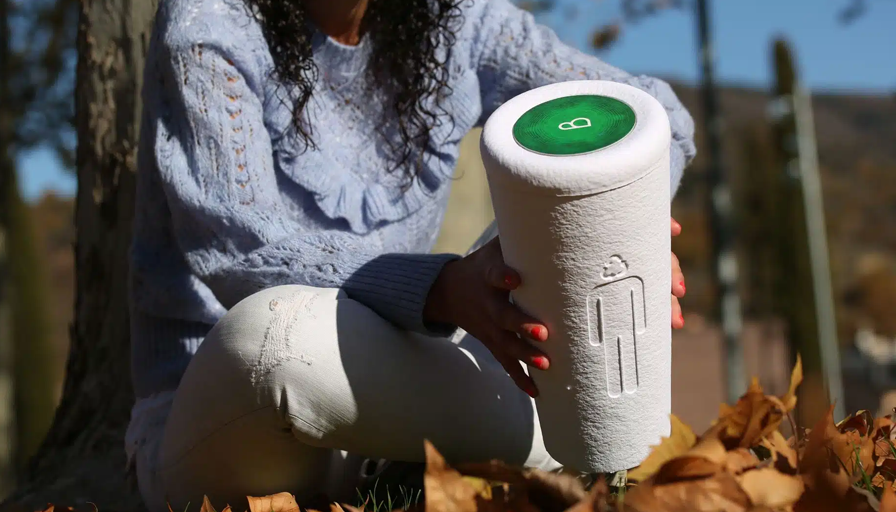
A cremation urn is usually too personal to choose as an unexpected gift. However, when you know the family well, offering to contribute towards an urn, keepsake urn or memorial item can be a thoughtful form of support.
This is most appropriate when cremation has already been chosen and the family has expressed a wish to keep the ashes at home, share them between relatives, or create a small place of remembrance.
Rather than arriving with an urn unexpectedly, it is usually better to speak with the family first, offer support, or contribute towards something they have chosen themselves.
Depending on the family’s wishes, this may involve a classic cremation urn for ashes, a smaller keepsake urn, or another memorial object designed to fit naturally into the home.
When handled with care, this kind of support can remove one difficult decision and help create a dedicated place for remembrance.

How to Choose the Most Appropriate Sympathy Gift
If you are unsure what to bring, keep the decision simple. The best gift usually fits the relationship, the timing and the family’s emotional capacity.
- Choose practical help when the loss is recent.
- Choose food or household support when daily tasks feel heavy.
- Choose remembrance gifts after the first period of arrangements has passed.
- Choose custom items only when you know the family well.
- Choose quiet and useful over dramatic or elaborate.
A sympathy gift does not need to solve anything. Its purpose is to show care in a way that feels respectful and manageable.
Common Mistakes to Avoid
Even generous gestures can sometimes create unintended pressure. A little restraint often makes a gift feel more thoughtful.
Try to avoid:
- oversized flower arrangements that need immediate care;
- strong fragrances or highly scented gifts;
- custom memorial products too soon after the loss;
- gifts that assume religious or spiritual beliefs;
- items that require the family to make quick decisions;
- messages that expect an emotional response;
- anything that creates extra work, storage or obligation.
Small, thoughtful gestures often age better than grand ones. The family may not remember every detail of the gift, but they are likely to remember that it felt gentle, appropriate and kind.
When a Remembrance Gift Can Feel Especially Meaningful
There is often a quiet moment after the service, after visitors have left, and after daily life begins to move again around the loss. This is when memory-focused gifts can become especially meaningful.
A keepsake, photo, memory journal, wearable memorial piece or carefully chosen remembrance object can help create continuity. It does not ask the family to move on. It simply gives memory a place to remain present.
These gifts should never replace practical support or personal presence. They work best when they are offered gently, without pressure, and with respect for the family’s own pace.
Frequently Asked Questions
What is the best thing to bring to a grieving family?
The best thing is usually something that reduces pressure or offers quiet comfort. Meals, practical help, handwritten notes, memory journals and understated remembrance gifts are often appreciated.
Is food a good sympathy gift?
Yes. Food can be very helpful, especially in the first days after a loss. Choose meals or deliveries that are easy to store, simple to prepare and do not require immediate decisions.
Are flowers still appropriate?
Flowers can still be appropriate, but they are not the only option. Some families may appreciate practical support, a plant, a memory gift or a gesture that remains useful after the service.
Is a memorial gift appropriate for someone who is grieving?
It can be, especially after the first period of arrangements has passed. Choose something understated and personal, and avoid custom items unless you know the family’s wishes well.
Is it appropriate to give an urn as a sympathy gift?
An urn is usually too personal to give unexpectedly. It is more appropriate to contribute towards an urn or keepsake when the family has already expressed this wish or when you are closely involved in the decision.
What should I write in a note with a sympathy gift?
Keep the message simple and pressure-free. For example: “No need to reply. I am thinking of you and wanted to send something small that may help this week.”
A Quiet Gesture Often Means the Most
Supporting a grieving family rarely comes down to finding the perfect words or the perfect gift. What matters most is the feeling behind the gesture: that someone noticed what might help and acted with care.
Whether you bring a meal, offer practical help, share a memory, give a small keepsake or contribute towards a memorial item, the most meaningful gifts are usually simple, thoughtful and easy to receive.
Grief does not follow a fixed timeline. A quiet gesture, offered with patience and sensitivity, can continue to bring comfort long after the first days of sympathy have passed.
If you are considering a remembrance gift and would like help choosing something suitable, please contact us via the contact form. We will be happy to help you choose with care.