Answer first: can you scatter ashes in Ireland?
In Ireland, scattering ashes is often possible, but families should check the location and any local procedures before arranging a ceremony. Citizens Information explains that ashes are generally available within a day or two after cremation and that arrangements can be made through the funeral director or crematorium. After that, the most important practical checks are usually permission, location, environmental care and whether a cemetery, crematorium, local authority, harbour authority, landowner or site manager has its own requirements.
If you are arranging scattering in Northern Ireland, check local UK/Northern Ireland procedures with the funeral director, local council, crematorium, cemetery or relevant authority, as these can differ from the Republic of Ireland.
Scattering ashes in Ireland: permission, places and practical choices
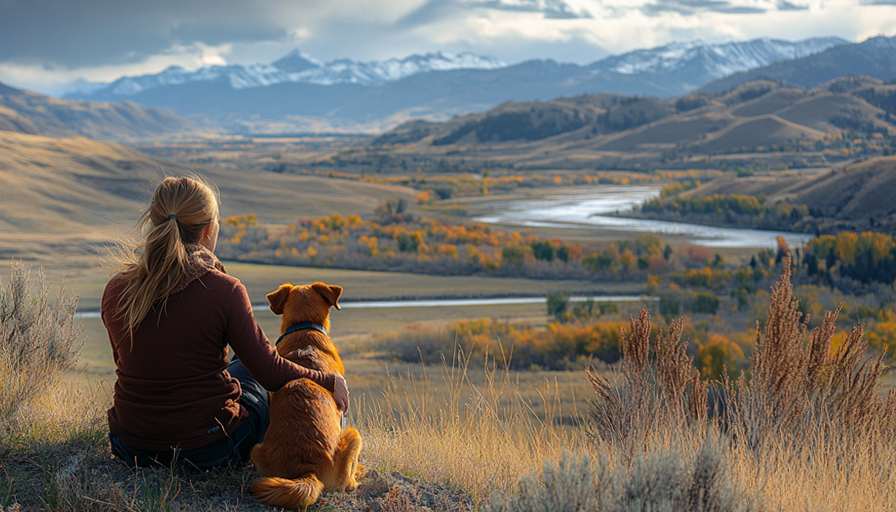
Scattering ashes can be a quiet and meaningful way to remember someone. Families may choose the sea, a garden, a favourite walk, a mountain view, a river, a cemetery, a family place or another location connected to the person who has died.
Because Ireland has many local arrangements around cremation, cemeteries, land, coastal areas and memorial places, it is best to check before scattering ashes. The answer may depend on who owns or manages the place, whether the location is public or private, and whether the ceremony could affect other people, wildlife or the environment.
Receiving ashes after cremation in Ireland
In Ireland, the crematorium or funeral director will usually guide the family through what happens after the cremation. Ashes are generally available within a day or two, and arrangements can normally be made through the funeral director or directly with the crematorium.
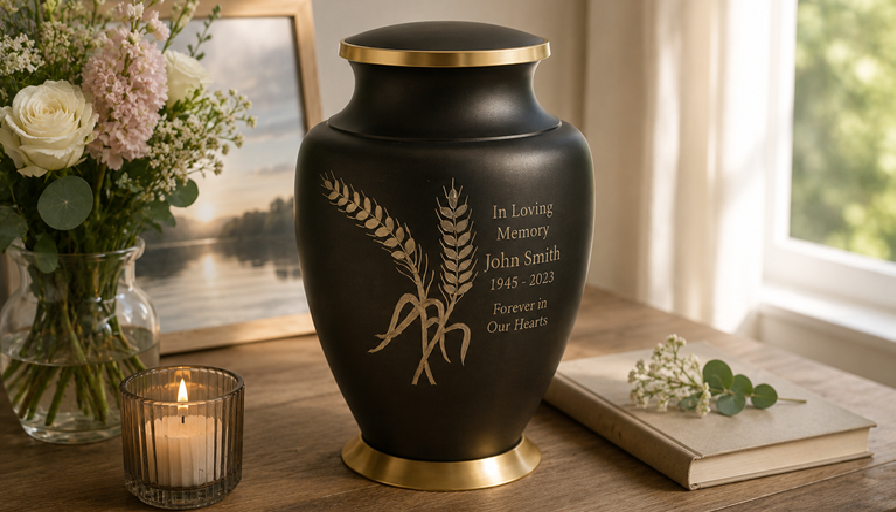
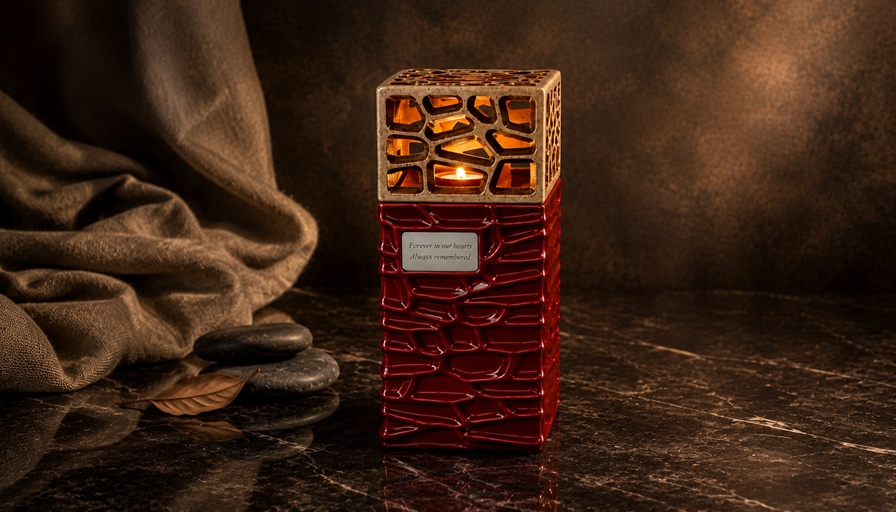
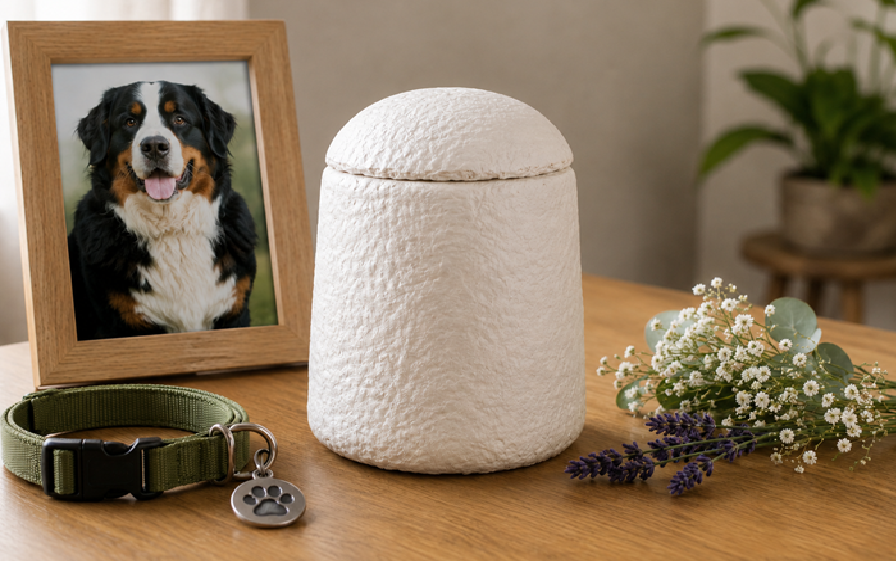
Before arranging a scattering ceremony, check who is authorised to collect the ashes, what container they are supplied in and whether the crematorium or funeral director can help with transferring ashes into a scattering tube, urn, keepsake urn or ashes jewellery.
Scattering ashes on private land in Ireland
If the land belongs to you, scattering ashes may feel straightforward, but it is still worth thinking about family wishes, neighbours, future access and whether the place will remain meaningful if the property is sold later.
If the land belongs to someone else, ask the landowner for permission first. This applies to private gardens, farms, estates, woodland, coastal land, sports grounds and other private spaces. Written permission can help avoid misunderstandings.
Scattering ashes in public places
Public places such as parks, beaches, walking routes, local beauty spots and open spaces may be managed by a local authority, state body, trust, harbour authority or private owner. Before scattering ashes, contact the relevant authority or site manager and ask whether it is allowed and whether there is a suitable area.
A quiet, discreet ceremony is usually more appropriate than scattering ashes in a busy area. Consider other visitors, weather, wind direction, access, safety and whether the family will want to return to the place later.
Scattering ashes at sea or near water in Ireland
The sea is a meaningful choice for many families in Ireland. If the person had a strong connection to the coast, fishing, sailing, swimming or a particular bay, a sea ceremony may feel especially fitting.
Before scattering ashes at sea or near water, think about safety, tide, wind, privacy and environmental impact. If a boat is used, ask the boat operator or funeral director what is possible. If the ceremony takes place near a harbour, pier, lake, river or beach, check whether a harbour authority, landowner, local authority or site manager should be consulted.
Do not place plastic, metal, ribbons, artificial flowers or other non-biodegradable items in the water. If flowers are used, choose loose natural petals or a fully biodegradable option.
Scattering ashes in cemeteries, crematoria or churchyards
Cemeteries, crematoria and churchyards in Ireland may have their own rules and procedures. Some may offer a garden of remembrance, a columbarium, a dedicated scattering area, an urn grave or another memorial option. Others may require a booking, staff presence, fee or form.
Always contact the cemetery, crematorium, churchyard, funeral director or local authority before arranging a scattering ceremony. They can explain whether scattering is allowed, where it can take place and whether a memorial plaque, inscription or record is available.
Northern Ireland: check local UK procedures
Northern Ireland is part of the UK, so procedures may differ from the Republic of Ireland. If the cremation, scattering or burial is taking place in Northern Ireland, check with the funeral director, local council, crematorium, cemetery, churchyard or relevant landowner before making final arrangements.
This is especially important for cemeteries, churchyards, public land, water, coastal areas and managed memorial sites, where local rules may apply.
Using a scattering tube or biodegradable urn
A scattering tube can make the ceremony calmer and more controlled, especially outdoors or by the coast. It helps direct the ashes and can reduce the risk of sudden wind affecting the moment. A biodegradable urn may be suitable for burial or water placement, depending on the product and local requirements.
Some families scatter part of the ashes and keep a small amount in a keepsake urn or ashes jewellery. This can be helpful when relatives live in different places or when the family wants both a ceremony and a personal memorial item.
Can ashes be divided before scattering?
Yes, ashes can often be divided between different remembrance choices. One part may be scattered, while another part is kept in an urn at home, placed in a cemetery, used in ashes jewellery or kept in small keepsake urns for family members.
If you are unsure how to divide ashes safely and respectfully, ask the funeral director or crematorium for help. They may also advise on suitable containers, urns and memorial items.
Practical checklist before scattering ashes in Ireland
- Check who is authorised to collect the ashes after cremation.
- Ask the crematorium or funeral director about the container and any transfer options.
- Check whether the chosen place is private, public, coastal, managed or protected.
- Ask permission from the landowner, local authority, cemetery, crematorium, harbour authority or site manager where needed.
- Consider wind, tide, access, privacy and safety.
- Use a scattering tube or suitable container if it helps the ceremony feel controlled.
- Do not leave plastic, metal, artificial flowers, ribbons or non-biodegradable memorabilia behind.
- Think about whether part of the ashes should be kept in a keepsake urn or ashes jewellery.
Finally: a respectful ceremony starts with checking locally
Scattering ashes in Ireland can be a deeply meaningful choice, but it should be arranged with care. The right location is one that respects the person who has died, the family, the landowner or site manager, the environment and other people who use the place.
Since 2007, legendURN has helped families choose urns for ashes, biodegradable urns, scattering tubes, keepsake urns, ashes jewellery and memorial products with care and understanding. For further guidance, visit our advice hub or view our biodegradable urns and scattering tubes.
Frequently asked questions about scattering ashes in Ireland
Can you scatter ashes in Ireland?
Scattering ashes is often possible, but the chosen location and local procedures matter. Check with the funeral director, crematorium, local authority, cemetery, landowner, harbour authority or site manager where relevant.
When are ashes available after cremation in Ireland?
Citizens Information explains that ashes are generally available within a day or two after cremation. Arrangements can be made through the funeral director or crematorium.
Do I need permission to scatter ashes on private land?
If the land is not yours, ask the landowner for permission. If the land is yours, still think carefully about family wishes, neighbours, future access and environmental impact.
Can ashes be scattered at sea in Ireland?
A sea ceremony can be meaningful, but check local conditions, safety, tide, wind, privacy and whether a harbour authority, boat operator, funeral director or local authority has specific requirements.
Is Northern Ireland the same as the Republic of Ireland?
No. Northern Ireland follows UK/Northern Ireland procedures, which may differ from the Republic of Ireland. Check locally before making final arrangements.