Seven Meaningful Ways to Scatter Ashes With Care and Intention
Scattering ashes is one of the most personal ways to say goodbye. For some families, it brings a sense of release. For others, it is a quiet way of returning someone to a place that mattered during life. Unlike a traditional grave or permanent memorial, scattering does not create one fixed point of remembrance. Instead, it connects memory to landscape, movement, and meaning.
That is also why the decision deserves more thought than people sometimes expect. The place matters, but so does the way the moment is approached. Weather, access, privacy, local rules, and the wishes of those attending can all shape whether the experience feels calm and fitting or unnecessarily difficult. A meaningful ash scattering is rarely about doing something dramatic. More often, it is about choosing a setting and a method that feel natural to the person being remembered and manageable for the people left behind.
In both the United States and the United Kingdom, ash scattering is generally possible in many places, but practical details still matter. Permission may be needed on private land, certain public or protected areas may have restrictions, and scattering on or near water often comes with environmental considerations. That does not make the process complicated, but it does mean that some preparation can make a real difference.
The most thoughtful approach is usually to begin not with the question of what is allowed, but with the question of what feels right. Was there a landscape that truly suited the person? A coastline, a woodland path, a riverbank, a garden, a favorite view, or a place tied to shared time together? Once that personal connection becomes clear, the practical side often becomes much easier to handle.
1. Scattering Ashes at Sea
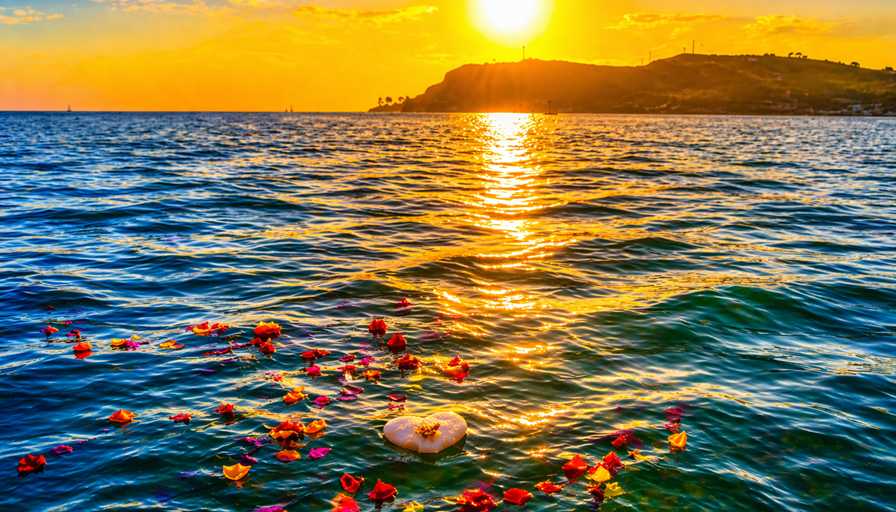
For many people, the sea carries a sense of scale that no other setting quite matches. It can feel open, timeless, and deeply peaceful. The horizon creates space for reflection, and the movement of the water often gives the moment a natural sense of continuation. That is one reason why scattering ashes at sea remains one of the most widely chosen options in coastal parts of the UK and the US.
This kind of farewell can take different forms. Some families arrange a boat service and scatter the ashes offshore in a quiet ceremony. Others choose a meaningful stretch of coastline and release the ashes from land where local conditions allow it. The atmosphere can be very simple, perhaps only a few words, a pause, and the sound of the water, or it can include music, readings, flowers, or a shared ritual among those present.
What makes sea scattering work so well is not only its symbolism, but also the way the setting supports the act itself. Water carries movement naturally, which means the moment often feels less abrupt than it can on land. At the same time, planning matters. Wind direction, tide, weather, and privacy can all influence the experience. A windy day can quickly make the moment uncomfortable or chaotic, which is why calmer conditions are usually better.
Families also sometimes underestimate the emotional effect of this choice. Scattering at sea can feel beautiful and liberating, but for some people it may also feel more final than expected. That does not make it the wrong choice. It simply means it helps to think in advance about whether those attending will find comfort in the openness of the sea or whether they would prefer a place they can return to more easily.

2. A Woodland, Mountain, or Natural Landscape Ceremony
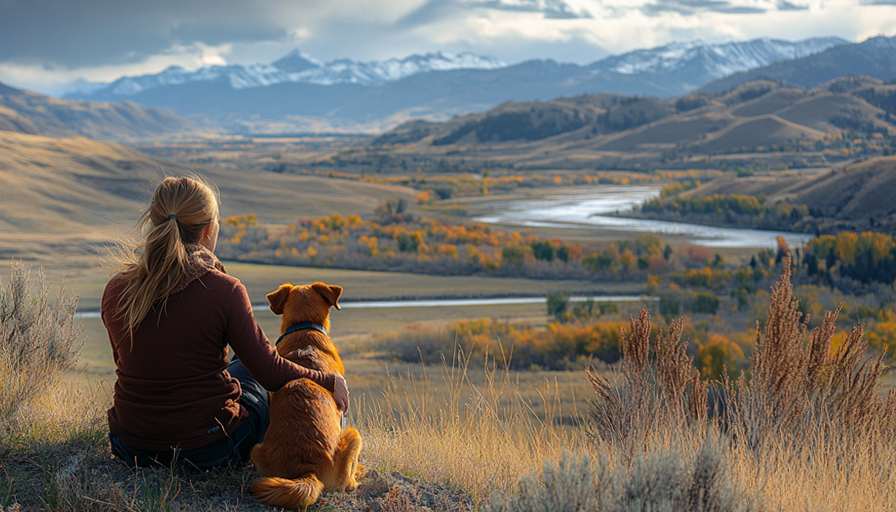
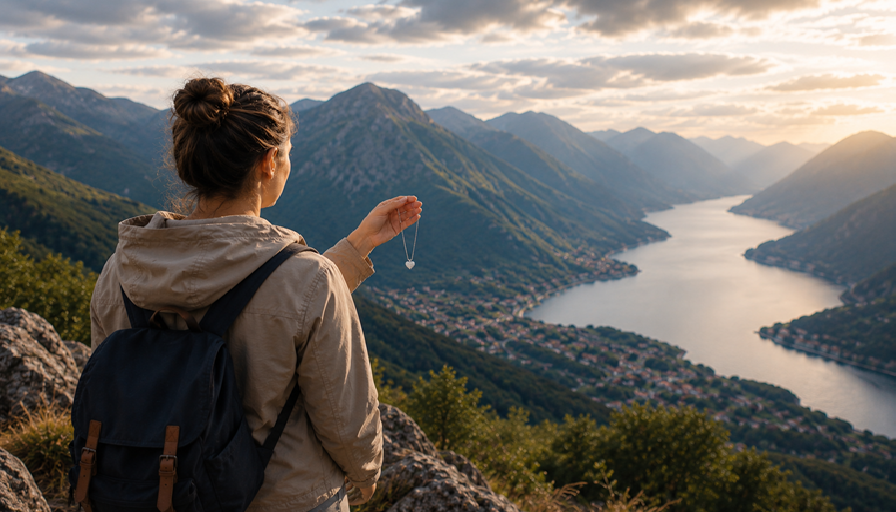
Natural settings often offer something that formal environments cannot. There is less structure, less noise, and less sense of being observed. That can make them especially suitable for families who want a farewell that feels quiet, personal, and grounded in the natural world. Woodlands, hillsides, mountain views, and open countryside are often chosen not because they are dramatic, but because they allow people to breathe, pause, and remember without distraction.
This kind of scattering is often closely connected to personality. Someone who loved walking, hiking, gardening, wildlife, or simply being outdoors may be remembered more fittingly in nature than in a built environment. In the US, families may think of forests, mountain trails, or wide natural landscapes. In the UK, it may be a familiar footpath, rural field edge, moorland, or wooded place visited over many years.
What makes this option especially meaningful is its simplicity. It does not need much. A short walk, a chosen viewpoint, a few private words, and a quiet release can be enough. Some families bring a poem, a piece of music, or a letter. Others prefer silence. In many cases, silence suits the setting best.
The practical side, however, should not be overlooked. The most meaningful place is not always the easiest place to reach. If several people are attending, think about mobility, parking, weather, and how far people will need to walk. A remote and beautiful location may feel ideal in theory, but if it creates strain for older relatives or makes the gathering stressful, the experience can lose some of its calm.
It is also important to check whether the location is privately owned, protected, or environmentally sensitive. A natural place may feel open and public, but that does not always mean scattering is automatically permitted. Thoughtfulness here means respecting the landscape as much as the memory.
3. Scattering Ashes in a Garden or Home Memorial Space
Not every meaningful farewell needs a dramatic landscape. In many cases, the most suitable place is much closer to home. A private garden, courtyard, or carefully chosen memorial corner can offer something that more distant destinations cannot: familiarity. It is a place already woven into daily life, which means remembrance can continue naturally rather than only on special occasions.
This option often appeals to families who value closeness, routine, and quiet continuity. A garden can feel less like a single ceremonial location and more like an ongoing relationship with memory. Flowers can be planted there, a bench can be placed nearby, or the area can simply remain as it is, known within the family as a place of reflection. That understated quality is often exactly what makes it so meaningful.
Scattering ashes in a home setting can also reduce the logistical pressure that sometimes comes with larger plans. There is no travel to arrange, no need to coordinate a remote location, and often more freedom to choose the right moment. That can be especially helpful when emotions are still raw or when family members prefer a smaller, more intimate farewell.
At the same time, this choice deserves careful thought because it changes the relationship between remembrance and domestic space. For some families, that feels comforting. For others, it may feel too close or emotionally complicated over time. It is worth considering not only how the space feels now, but how it may feel in the months and years ahead.
Permission and ownership also matter here. A private garden on land you own is very different from shared grounds, rented property, or communal outdoor space. What feels personal still needs to be practically secure.

4. Scattering Ashes in Flowing Water Such as a River or Along a Lake Edge
Flowing water carries a different symbolism from the sea. It is less expansive, more intimate, and often more closely tied to local memory. A river may run through a hometown, near a childhood landscape, past a place of daily life, or alongside walks taken over many years. That makes it a deeply meaningful choice for families who want the farewell to feel connected to a particular region rather than to the open horizon.
Rivers often create a quieter mood than the sea. The movement is gentler, the setting more contained, and the soundscape more personal. For some families, this makes the moment feel less exposed and more reflective. A riverbank ceremony can be simple and restrained, with only a few people present and very little formality.
This option can also work well when the place itself already holds emotional weight. Perhaps it is a river crossed on family walks, a fishing spot, a favorite view from youth, or a place where someone regularly found peace. In those cases, the location is not just scenic. It is biographical.
Still, scattering near rivers or inland water requires extra care. Not every body of water is suitable, and not every shoreline allows access or release. Environmental guidance matters, especially where local ecosystems, public recreation, or protected land may be involved. Families should also think carefully about how the ashes will behave in the chosen spot. Slow-moving or shallow water may create a different effect from what people imagine, and weather conditions can influence the experience far more than expected.
What makes this option strong is not spectacle, but emotional precision. It suits people whose story is tied to a place that flows through memory in a very literal way.
5. Aerial Scattering for a Wider Sense of Release
Aerial scattering is one of the least common options, but in the right circumstances it can be one of the most fitting. Rather than releasing ashes by hand from land or water, this method involves using a licensed service to scatter ashes from the air, often over a meaningful landscape or broad open area.
For some people, that idea feels immediately right. It may suit someone who loved flying, travel, remote landscapes, or the feeling of wide-open space. It can also appeal to families who want the farewell to reflect movement, openness, and a sense of freedom that would be harder to achieve on the ground.
The emotional effect of aerial scattering is often very different from more intimate forms of scattering. It is less about touch and proximity, and more about perspective. The landscape becomes part of the farewell in a broader, more visual way. That can feel powerful and fitting, especially for families who do not want a traditional setting and prefer something less rooted in one single point on the ground.
Because this method depends on specialist providers, planning is essential. Families need to think about timing, weather, location approvals, and whether those attending want to witness the release directly or be part of a separate gathering before or after. It is also worth considering whether the visual and symbolic strength of this choice matches the emotional needs of the people involved. For some, it feels inspiring. For others, it may feel too distant.
Aerial scattering works best when it reflects something truthful about the person being remembered, not simply because it sounds unusual.

6. Destination Scattering in a Place Tied to Shared Memories
Sometimes the right place is not close to home at all. It may be a holiday destination visited over many years, a favorite coastal town, a mountain region, a second home, or a place connected to an important chapter in life. In those cases, destination scattering can feel less like a logistical complication and more like a meaningful return.
This choice is especially powerful when the location is tied to lived memory rather than abstract beauty. A place where someone felt most at peace, most themselves, or most connected to family can carry far more emotional weight than a more impressive landscape chosen only for appearance. The power of destination scattering lies in that continuity between life and remembrance.
It can also create a deeper shared experience for the people attending. Traveling together, revisiting familiar places, and marking the farewell in a setting already connected to love and memory can make the ceremony feel more complete. In some cases, the journey itself becomes part of the grieving process.
At the same time, this is usually the option that requires the most preparation. Travel arrangements, timelines, transport of ashes, local permissions, accessibility, and weather all need to be considered. If the destination is abroad, families may also need to think carefully about airline requirements, documentation, and how the ashes will be carried and presented during the journey.
This option is often most successful when it is planned with simplicity in mind. The emotional meaning of the destination should remain central. Once logistics begin to dominate the experience, the original intention can become harder to preserve.
7. Scattering Ashes in a Place of Personal Ritual or Return
Sometimes the most meaningful place is not dramatic, remote, or widely admired. It is simply a place that formed part of someone’s life in a quiet and repeated way. This may be a familiar walking route, a favorite viewpoint, a place where someone sat regularly to think, a stretch of coast visited every year, or a park path that became part of daily routine. These places often carry a kind of emotional truth that more impressive settings do not.
What makes this choice so meaningful is its closeness to lived experience. The place is not chosen because it looks symbolic from the outside, but because it already was symbolic during life. That often gives the moment a different kind of depth. It feels less like creating meaning and more like returning someone to a place where meaning already existed.
This option can also be especially comforting for close family members, because the location remains familiar and reachable. Unlike a distant destination or a one-time ceremonial setting, a place of personal ritual can often still be revisited naturally. That may matter to those who find comfort not only in the act of scattering itself, but also in the possibility of returning to the same place later.
As always, practical questions still matter. Permission, accessibility, privacy, and local guidance should still be considered carefully. But when those conditions are manageable, this kind of setting often creates one of the most intimate and genuine forms of farewell.
Important Considerations Before Scattering Ashes
No matter which setting feels right, a few practical questions deserve attention before the day itself. The first is permission. Even where ash scattering is generally accepted, that does not mean every location is automatically suitable. Private land, managed public spaces, nature reserves, historic grounds, and waterways may all come with different expectations or restrictions. Checking in advance is not just about legality. It is also a sign of respect for the place.
The second is accessibility. A meaningful location should also be realistic for the people attending. That includes travel time, parking, walking distance, seating if needed, and shelter from weather where possible. Families often picture the symbolic moment clearly, but underestimate how much comfort and calm depend on these basic details.
Weather deserves more thought than many people initially give it. Wind is the most obvious concern, but rain, cold, heat, and public crowd levels can also influence how the moment feels. A location that seems perfect on paper may feel exposed or rushed under the wrong conditions. Choosing the right time of day can make a major difference.
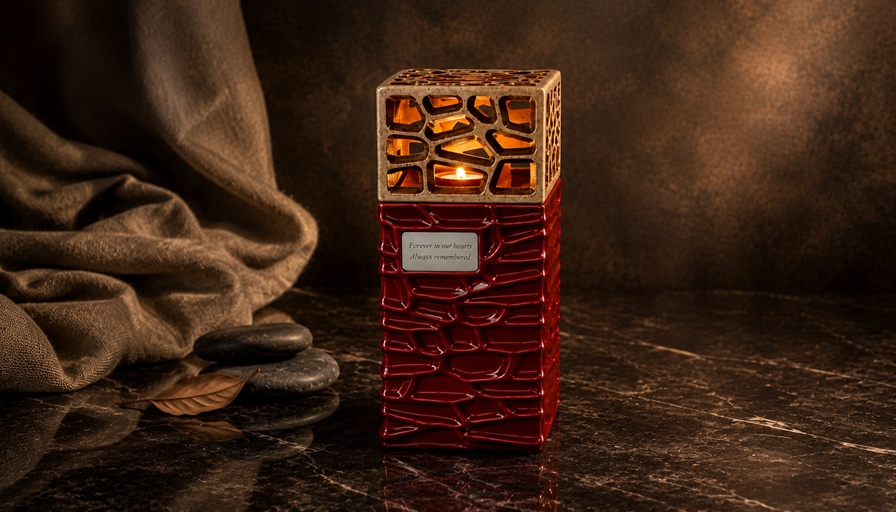
It is also wise to think about the container being used. Even when families want a very simple ceremony, a practical scattering container can help the moment feel more controlled, discreet, and dignified. That matters especially in outdoor settings where wind, uneven ground, or public visibility could otherwise make the experience awkward.
Common Mistakes Families Often Make
One of the most common mistakes is focusing entirely on symbolism and too little on logistics. A place may feel emotionally perfect, but if it is difficult to reach, heavily visited, or exposed to weather, the day can become more stressful than expected. Meaning and manageability need to work together.
Another mistake is assuming that all natural or open places are automatically suitable for scattering. They are not. Protected areas, privately owned land, and waterways may all need separate consideration. A little research beforehand often prevents disappointment or last-minute change.
Families also sometimes choose a location that suits one person’s idea of beauty more than the actual life of the person being remembered. The most touching place is not always the grandest one. Often it is the place that holds a genuine link to routine, character, or shared memory.
A further mistake is underestimating the emotional effect of the moment. What seems clear in theory can feel very different on the day. Some people may want a short spoken ritual, others may find silence more comfortable. Some may want to take part physically, while others may prefer simply to be present. Allowing room for different responses often makes the ceremony feel more generous and less pressured.
Frequently Asked Questions About Scattering Ashes
Is it legal to scatter ashes anywhere?
No. In many places it is generally allowed, but permission or local guidance may still apply depending on the location. It is always wise to check first.
Do I need a special scattering container?
Not always, but a purpose-made container often makes the process easier, more controlled, and more respectful, especially outdoors.
Can several family members take part?
Yes. Some families choose to share the ashes, while others invite each person to take part in one shared moment. Both approaches can work well.
Is there a best time of day for scattering?
Early morning and later afternoon often provide calmer conditions, more privacy, and a quieter atmosphere.
Can ashes be scattered in water?
Often yes, but local rules and environmental considerations should always be checked in advance.
Should all the ashes be scattered at once?
Not necessarily. Some families scatter all of them in one place, while others keep a portion for a keepsake urn, memorial jewelry, or a second family ceremony elsewhere.
A Personal Farewell That Deserves Care
There is no single right way to scatter ashes. What matters is not how elaborate the gesture looks from the outside, but whether it feels truthful, respectful, and fitting to the life being remembered. A windswept coastline, a quiet woodland, a garden close to home, a familiar river, a view from the air, a distant place filled with shared memories, or a location shaped by personal ritual can all be the right setting in the right circumstances.
The most meaningful ash scattering is usually the one that balances emotion with thoughtfulness. It reflects personal connection, respects practical realities, and leaves enough space for the people present to experience the moment in their own way. That balance is what turns a simple act into a lasting memory.
For families considering how to carry, divide, or scatter ashes more comfortably, it can be helpful to explore containers designed specifically for this purpose. The right option does not draw attention to itself. It simply supports the moment with discretion, ease, and care.
If anything still feels unclear after reading this guide, you are welcome to contact us through the contact form.