Understanding End-of-Life Professionals: How Funeral Directors and Morticians Serve Families Differently
When a loved one dies, families can suddenly find themselves navigating unfamiliar terms at the exact moment they feel least prepared. Two titles that are often confused are funeral director and mortician. People may use these words as if they mean the same thing, and sometimes one professional does perform both sets of responsibilities. Still, the roles can differ in focus, training, and what families experience directly.
This guide explains the difference in a clear, compassionate way so you know who typically handles what, and where to direct your questions. Terminology and licensing can vary by country and by state, but the overview below reflects common usage in the United States, with a brief note about the term “undertaker.”
In one glance
A simple way to remember the distinction is focus:
- Funeral director: supports the family, coordinates services, handles logistics and paperwork
- Mortician: cares for the deceased, prepares the body for viewing or final disposition
- In many funeral homes, one licensed professional may do both
The role of the funeral director
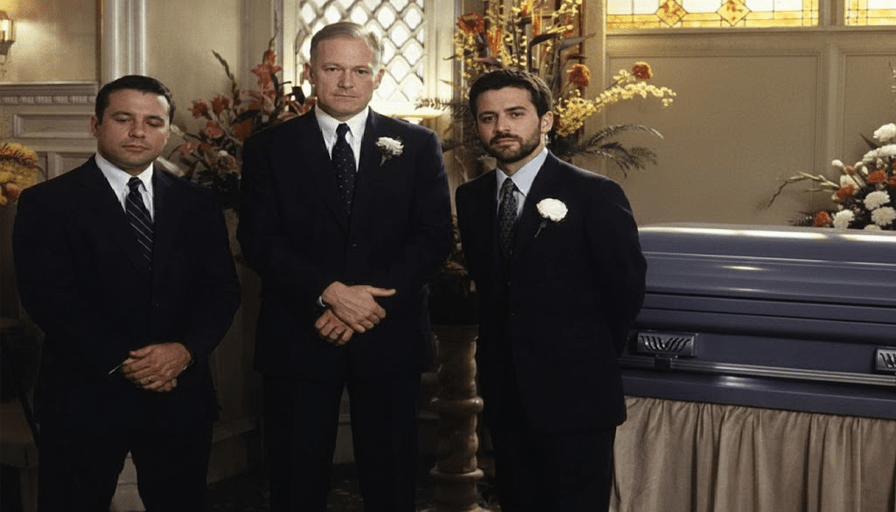
A funeral director is typically the primary guide for families throughout the planning process, and often the first person a family speaks with after a death. The role combines organization with emotional awareness, because families need clarity and steadiness at the same time.
What they typically handle
Funeral directors help families make decisions about services and final arrangements. They may coordinate visitations, memorial services, funerals, graveside gatherings, and cremation related planning. They also manage timing, staff, transportation, and communication with cemeteries, crematories, clergy, celebrants, and other third parties.
They often assist with key administrative steps as well. Depending on location and circumstances, this can include authorizations, permits, and guidance around death certificates and required documentation. A good funeral director explains what is needed in plain language, without overwhelming families with technical details.
In many funeral homes, the funeral director also oversees practical coordination around the transfer of the deceased into care and, when cremation is chosen, the return or transfer of ashes.
The part families feel most
What most defines the funeral director role is the direct relationship with the family. They listen, ask thoughtful questions, and help shape a service that reflects the life and values of the person who died. They also help families navigate cultural traditions, religious practices, and personal preferences with respect and calm guidance.
The role of the mortician
A mortician focuses primarily on the care of the deceased. Much of this work happens behind the scenes, but it is essential to the family experience, especially when a viewing or visitation is part of the farewell.
What they typically handle
Morticians may be responsible for receiving the deceased into care, confirming identification, and maintaining respectful handling throughout. Depending on the arrangements and local requirements, their work can include washing, dressing, embalming when chosen or required, restorative care, and cosmetology.
They may also handle casketing, placing the deceased into the coffin with care and following the funeral home’s procedures for identification and documentation.
This work requires technical knowledge, strict attention to sanitation and safety standards, and a careful eye for detail. While families may not meet the mortician, they often feel the impact. When a loved one looks peaceful and well cared for, it can ease anxiety and create space for a more meaningful goodbye.
Mortician vs. undertaker: a quick terminology note
You may also hear the word undertaker. In modern usage, it is often used as an older term for someone who works in funeral care, and it is heard more frequently in the United Kingdom than in the United States.
Because language varies, it is always appropriate to ask a funeral home a simple question: Who will be caring for my loved one, and who will be guiding our family through the arrangements? Clarity matters more than the label.
Why the confusion exists
The confusion between funeral directors and morticians is common for a few reasons:
- Roles can overlap: In smaller funeral homes, one professional may coordinate arrangements and also oversee, or personally perform, mortuary care.
- Licensing and duties vary: Some regions combine responsibilities under one license or one role, while others separate them more clearly.
- Everyday language and popular culture blur the titles: Many people use one term for anyone who works in a funeral home, even when the actual responsibilities differ.
In practice, the difference is not about hierarchy. It is about focus. One role centers on guiding the living through choices and ceremonies, the other centers on caring for the deceased with dignity.
Training and education paths
Both funeral directors and morticians typically complete formal education and licensing. Coursework often includes ethics, grief psychology, business management, anatomy, restorative techniques, and legal compliance. Practical training through internships or apprenticeships is also common.
Where training may differ is emphasis:
- Funeral directors often develop deeper expertise in communication, counseling skills, and service planning.
- Morticians often receive more intensive instruction in embalming methods, chemical safety, sanitation protocols, and restorative art.
Continuing education is often required, helping professionals stay current with best practices and regulations.
How families experience the difference
From a family’s perspective, the funeral director is usually the visible point of contact. This is the person who explains options, coordinates details, answers questions, and supports decisions. They are often present during meetings and services and may follow up after arrangements are complete.
The mortician’s work is quieter and more private, but it can shape the experience deeply when a viewing or visitation happens. Preparation done with care allows families to focus on remembrance and connection rather than distress.
In many funeral homes, the funeral director communicates the family’s wishes to the person responsible for mortuary care, including cultural practices, religious customs, clothing requests, and other preferences.
A simple way to direct your questions
If you are unsure who to ask, this quick guide helps:
- Questions about ceremony details, timing, costs, paperwork, transportation logistics, or service options usually go to the funeral director.
- Questions about viewing preparation, identification, dressing requests, embalming, cosmetology, or casketing should go to whoever is responsible for mortuary care, often a mortician, or sometimes the same licensed professional.
- If you are uncertain, ask one clarifying question: “Who handles this part of the process here?” A professional funeral home will answer transparently.
Who else may be involved after a death?
Depending on the circumstances, families may also encounter professionals outside the funeral home. This does not automatically mean something is suspicious, it often reflects legal requirements or the setting in which the death occurred.
Estate executor
An estate executor is responsible for carrying out a will and managing the legal and financial steps of settling an estate.
Medical examiner
A medical examiner is typically a physician or forensic specialist who may be involved to determine the cause of death in certain cases.
Coroner
A coroner may perform a similar function in some jurisdictions and may be responsible for confirming the cause and manner of death and completing required documentation.
If any of these roles become part of the process, you can ask the funeral home to explain what is happening, why it is required, and what it means for timing.
Choosing a funeral home rather than a title
For most families, it matters more to choose a funeral home they trust than to focus on job titles. A well run funeral home ensures that both family guidance and mortuary care are handled with professionalism and compassion, whether those responsibilities are split among staff or combined in one person.
If it helps, here are a few questions that quickly build clarity:
- Who will be our main point of contact?
- Who will care for and prepare our loved one?
- Is embalming required for a viewing, or are there alternatives?
- How do you accommodate religious or cultural washing, dressing, or timing preferences?
- What paperwork is needed, and what are realistic timelines?
A shared commitment to dignity and respect
While their responsibilities differ, funeral directors and morticians share the same purpose: honoring life, supporting grief, and maintaining dignity at every step. Funeral directors stand beside families during planning and remembrance. Morticians work carefully behind the scenes to ensure loved ones are treated with care.
Understanding the difference can bring peace of mind. It helps families direct questions to the right person, and it highlights that both the visible and unseen parts of a farewell are guided by respect for the person who died and care for those who remain.
If you have any questions, comments, or feel certain information is missing after reading this post, feel free to contact us via the contact form.