
Creating a Meaningful Home Memorial: Ten Thoughtful Ways to Honour a Life Well Lived
Opening your home to host a memorial can feel both deeply personal and slightly overwhelming. Unlike a formal service in a church or funeral home, a home memorial invites people into an intimate space filled with familiar comforts, shared memories, and genuine emotion. For many families, gathering at home becomes a heartfelt way to honour a loved one in a setting that feels authentic and warm.
A home memorial does not need to be elaborate to be meaningful. What matters most is intention, comfort, and respect for the person being remembered. With thoughtful planning and a focus on connection, you can create a gathering that feels organised, welcoming, and deeply personal. Below are ten practical tips to help you host a home memorial that supports guests while gently supporting you, too.
1) Choose the right space and set the tone
Start by deciding where the gathering will take place and how guests will move through your home. Living rooms, dining areas, patios, and gardens often work well, especially when seating can flow naturally between spaces. If your home is small, that is still completely fine. A home memorial can be beautiful with only a few chairs and a calm corner for reflection.
Lighting shapes the mood. Soft natural daylight or warm lamps in the evening can create a gentle, reassuring atmosphere. If you can, avoid harsh overhead lighting, as it may make the space feel tense or overly formal. Quiet background music can also help, instrumental pieces, hymns, or songs that mattered to your loved one.
Before you begin, consider the emotional tone you want. Some families prefer a quiet and reflective gathering. Others lean into storytelling and laughter as a way to celebrate a life. There is no single right approach. The best choice is the one that feels true to the person you are honouring.
2) Create a personal tribute area
A dedicated tribute area gives guests a focal point for remembrance and helps people settle when they arrive.
Keep it simple. A small table with a framed photo, a candle, and a few personal items often works beautifully. Consider objects that reflect the life your loved one lived, a favourite book, a piece of art, a military photo, a recipe card in their handwriting, a scarf they always wore, or something connected to a hobby.
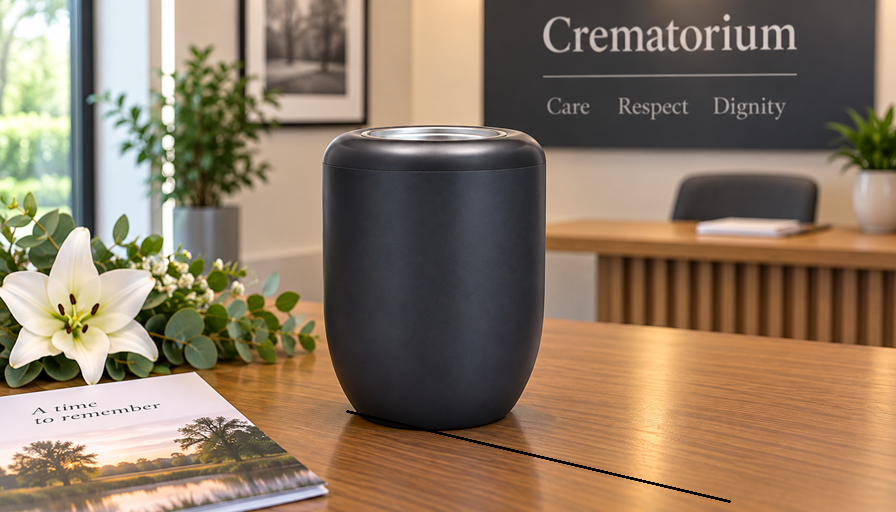
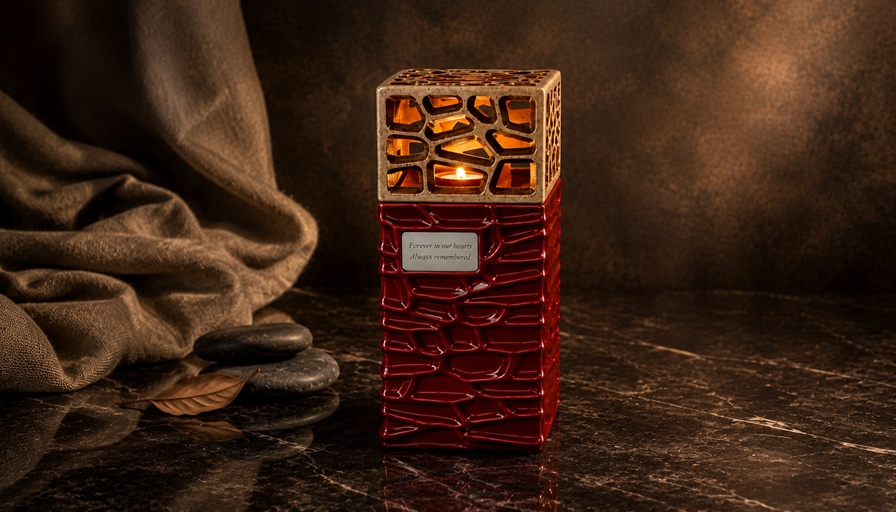
Some families also choose to include a small keepsake element, such as a simple display card explaining memorial choices like a cremation urn or ashes jewellery. It can be a quiet way to acknowledge how different families keep someone close, without making the memorial feel commercial.
Flowers can add softness, but they are not required. Some families prefer greenery or potted plants. If you include candles, place them safely and monitor them throughout the gathering.
Place a guest book near the tribute area, or a small basket for memory notes. Over time, messages and memories shared by guests often become a treasured keepsake.
3) Plan a simple flow, and choose someone to gently guide it
A home memorial does not need a strict schedule, but a loose structure can make the gathering feel calm and purposeful. Guests often appreciate knowing what to expect, especially when emotions are close to the surface.
You might begin with a brief welcome, either from yourself or another family member. This can be as simple as thanking everyone for coming and acknowledging the shared loss. Some families include a moment of silence, a prayer, or a short reading. Others prefer to let the gathering unfold naturally and set aside a time later for stories.
If you expect a larger group, consider asking one trusted person to act as a gentle guide for the day, someone who can welcome guests, introduce the short moments of meaning, and quietly move things along without making it feel like a performance. A simple printed programme, even one page, can also reduce uncertainty for guests.
4) Offer comfort through food and hospitality
Food has a quiet way of bringing people together, especially during grief. Offering light refreshments helps guests feel cared for and gives people something steady to do during emotional moments.
You do not need to prepare a full meal. Tea, coffee, water, and simple snacks are often more than enough. Fruit, biscuits, small sandwiches, or baked goods work well. If cooking feels overwhelming, ask friends or family members to bring something. Many people genuinely want to help and appreciate being given a practical way to do so.
Arrange food and drinks in an accessible area away from the tribute space so the main room remains quiet and reflective.
Small details matter. Make sure there is enough seating, tissues are available, and guests can easily find the toilet. These touches may seem minor, but they create comfort and reduce stress.
5) Take care of yourself and accept support
Hosting a memorial while grieving is emotionally demanding. You do not have to do everything yourself. Accepting help is not a sign of weakness, it is a way to honour your own limits.
Ask one or two trusted people to assist with practical tasks such as greeting guests, managing coats, refilling drinks, or helping with music. This allows you to be present emotionally without feeling pulled in ten directions.
It is also okay to step away when you need to. If emotion overwhelms you, give yourself permission to take a quiet moment in another room. Most guests will understand and respect your need for privacy.
6) Set clear expectations before guests arrive, including RSVP and practical details
A little clarity ahead of time helps everyone feel more at ease. If you are sending an invitation, consider using email or a simple digital invite so you can share updates and get a rough headcount.
Include the start time and an approximate end time, and a short note about the tone, for example quiet and reflective, or more conversational and celebratory. Add practical notes such as parking guidance, whether guests should remove shoes at the door, and whether children are welcome.
If you are worried about being overwhelmed, it is fine to say, “Please arrive within this window,” or “We are keeping the gathering small.” Clear expectations are kind.
7) Make it easy for people to contribute, even if they do not want to speak
Not everyone feels comfortable speaking in a group. Offer multiple ways for guests to share a memory.
A guest book is one option, but memory cards can work even better. Place small cards near the tribute area with prompts such as:
- A moment I will always remember
- Something I admired about them
- A line I want the family to hold on to
Guests can write quietly and place the card in a basket. You can also invite people to share photos by text or email afterwards. Many guests have images you may never have seen, and receiving them over time can be comforting.
8) Add one interactive remembrance idea
Alongside the tribute table, an interactive element can help guests feel connected without pressure.
Two simple options work well at home:
- A memory tree, a small branch arrangement or potted plant where guests can hang notes or written memories.
- Memorial stones, small smooth stones and a pen where guests can write a short word or message. Some families keep them in a bowl at home, others place them in a garden or at a meaningful spot later.
These activities give guests something gentle to do and often lead to quiet, heartfelt conversations.
9) Prepare music and sound so it feels effortless, not distracting
Music can hold the room when words are hard to find. Choose a short playlist in advance, including one or two songs that were meaningful to your loved one.
If the gathering is larger, think through the practical side. One speaker in the corner may not be enough, and a second speaker can reduce awkward volume changes. If you plan for anyone to speak to the whole group, a simple portable microphone can help, especially for older guests.
Keep the music low and steady, it should support the atmosphere, not compete with it.
10) Think through comfort, accessibility, safety, and a gentle closing
Because your home is not a formal venue, a few practical checks can make the memorial smoother.
Keep walkways clear, remove clutter, and create easy routes between seating, refreshments, and the toilet. If you expect older guests, consider chair height and stability. If you are outdoors, think about shade, blankets, or umbrellas depending on the weather.
If you use candles, place them safely away from fabric and flowers and supervise them throughout the gathering. Battery candles can provide the same warm look without worry.
Finally, plan a simple closing. Without an ending, guests may linger uncertainly. A short thank you, a final reading, a blessing, or one favourite song can help everyone transition. If you want the family to have a quiet moment afterwards, it is okay to say so kindly.
A lasting and meaningful experience
A home memorial offers something truly special. It allows people to gather in a space filled with personal history, warmth, and authenticity. By focusing on comfort, personal touches, and genuine connection, you can create an experience that honours your loved one in a way that feels sincere and healing.
For families who choose cremation, keeping someone close can take many forms, from choosing a cremation urn that fits the home and the family’s wishes, to wearing a discreet piece of memorial jewelry as a personal reminder.
If you would like more ideas, you can also explore our related memorial guides and articles for additional inspiration.
- What to Do When Someone Dies: A Step-by-Step Guide for Families
- Choosing Between a Memorial Service and a Celebration of Life: What’s the Real Difference?
- Is it Okay to Keep Cremation Ashes at Home?
- How to Choose the Right Size Cremation Ashes Urn for Your Loved One
- How to Clean and Maintain a Cremation Urn: A Guide by Material
- What Options Exist for Cremation Jewelry or Memorial Keepsakes?
If you have any questions, comments, or feel certain information is missing after reading this post, feel free to contact us via the contact form.