9 Simple and Heartfelt Ways to Honor a Loved One Today
Losing someone you love changes the rhythm of everyday life. The chair that stays empty at the table, the song that suddenly feels different, the instinct to pick up the phone and tell them something, only to remember you cannot, all of these small moments can feel heavy. In the middle of that ache it can sometimes help to find gentle, personal ways to keep their memory close.
Honoring a loved one does not have to be grand or complicated. Often it is the quiet, honest gestures that feel most real, because they reflect who that person truly was. When you think about their habits, their humor and the things they cared about, you start to discover natural ways to weave their presence into your days.
The ideas below are suggestions, not rules. You can choose one, combine a few or adapt them entirely to fit your own story and your own pace of grief.
1. Create a Personal Memory Corner
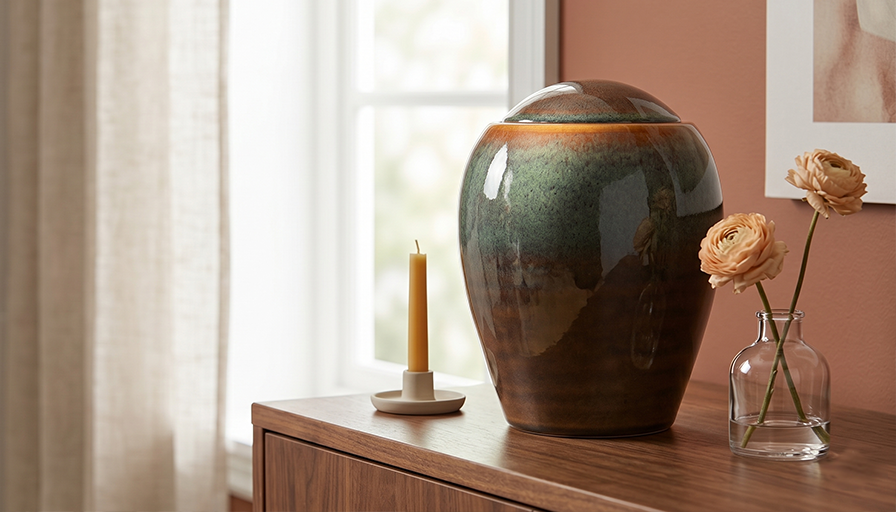
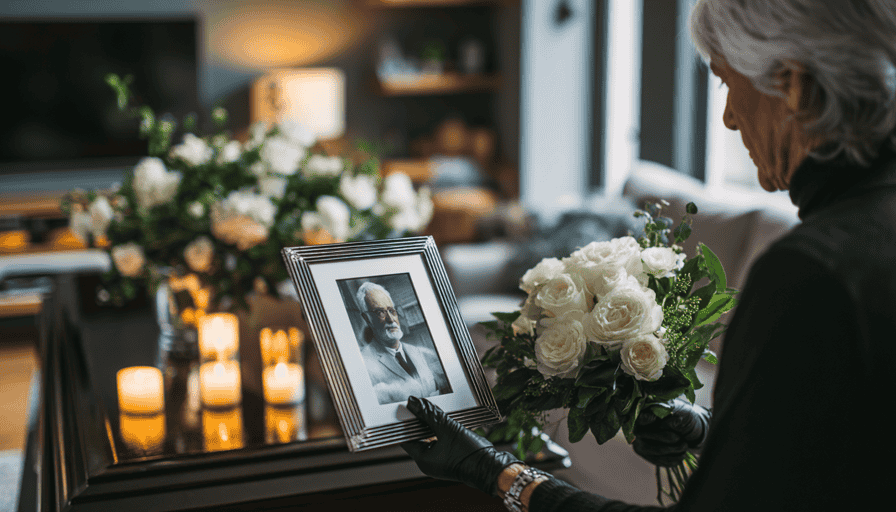
A memory corner is a small, dedicated place in your home where reminders of the person you miss come together. It might be a shelf in the living room, a side table in the bedroom or a sunny spot on a windowsill. You could place a favorite photograph there, perhaps from a holiday or a family celebration, next to an everyday object they used often, like a watch, a pair of reading glasses or the mug they always reached for in the morning. Some people add a candle they light on difficult or special days, or a handwritten note that captures a phrase the person often used.
Over time this corner can grow in a natural way. You might place a small stone you picked up on a walk when you were thinking of them, a dried flower from the funeral or a card you received that brought you comfort. The memory corner does not need to be perfect or finished. It simply becomes a quiet place where you can pause for a moment, breathe and feel that your connection still exists.
2. Plant a Tree or Start a Memorial Garden
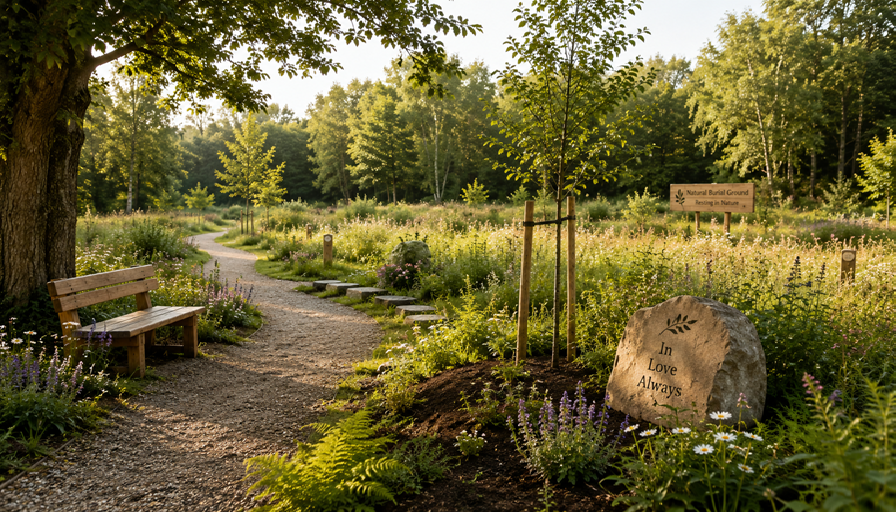
Planting something living in someone’s memory can bring a deep sense of comfort. Choosing a tree, a rosebush or a small group of plants creates a spot that slowly changes and develops, just as your grief does. Some people choose a strong tree in honor of a parent who was their support, while others plant flowers in a color their loved one always wore or a variety of herbs for someone who loved to cook.
As the seasons pass, you see new leaves, blossoms and growth. Visiting this place can become a gentle ritual, especially on birthdays, anniversaries or holidays. You might sit on a bench nearby, touch the bark of the tree or pick a single flower to bring inside. Over the years the garden often begins to feel like a calm and familiar space, closely tied to the story of the person you lost.
3. Light a Candle for Peace and Reflection
Lighting a candle is a small gesture, but it can create a moment of stillness in a busy or emotional day. Perhaps you choose a particular candle and decide that whenever you light it, you are consciously giving yourself a pause to think of the person who died. Some people do this every evening, others on specific days such as a birthday, a holiday or the date of the death.
You might sit quietly for a few minutes, think of a memory you are grateful for or simply say their name out loud before you blow the flame out again. This simple ritual can become an anchor, reminding you that it is all right to stop for a moment and to acknowledge both your love and your pain. On heavy days, that brief moment of gentle light can make the room feel a little warmer.
4. Continue a Tradition They Loved
Honoring someone does not always have to be quiet or solemn. It can also mean keeping the things alive that once filled them with joy. Think about the small traditions that belonged to them. Perhaps your father always made pancakes on Sunday mornings, and you decide to keep that ritual going, telling a story about him while the pan is on the stove. Maybe your partner had a favorite film you watched every year, and you now invite a few close friends to watch it with you, sharing memories as the credits roll.
Sometimes a tradition is linked to something outside the home, for example a charity walk, a community event or a local sports match they never missed. By continuing these activities, you create moments where it almost feels as if they are still part of what is happening. Their personality remains visible in your life, not just in your thoughts but in actions and habits that carry their signature.
5. Create a Memory Book or Digital Tribute Album
Gathering memories in one place can be emotional, but it is often deeply healing. A memory book allows you to bring together photographs, short stories and small details that might otherwise fade over time. You might print a series of photos and write a few lines next to each one about what happened that day or why that particular moment still feels important. Relatives and friends can be invited to add their own stories, even if it is only a sentence or two.
As the collection grows, the book or digital album often becomes more than a place to store images. It turns into a gentle reason to reach out to others who loved them too. You may call a sibling to ask about the story behind a particular picture, or send a message to an old friend and invite them to add their own memory. Little by little, these conversations weave a wider circle of remembrance. The tribute is no longer something you create alone, but a living collection of voices that keeps their story moving and growing.
For some families, a digital tribute feels natural. An online album or slideshow can be shared with people who live far away, allowing everyone to add photos, messages or even music that reminds them of the person who died. Whether on paper or on a screen, the result is a shared place you can return to whenever you want to feel a little closer.
6. Give to a Cause or Charity in Their Name
For many people it helps to let their grief flow into something that supports others. If your loved one cared strongly about a particular issue, you can continue that care in their name. Perhaps they lived with a serious illness and you choose to support a related medical foundation, or they were fond of animals and you begin to donate to or volunteer at a local shelter. Some families prefer to help close to home, for example by supporting a food bank, a school project or a community initiative they would have appreciated.
You might decide to give once, at a meaningful moment, or to create a yearly tradition on a date that matters to you. Knowing that someone else is receiving help, comfort or opportunity because of them can create a quiet sense of purpose. It does not remove the pain, but it can soften the feeling of helplessness that often comes with loss.
7. Gather Family and Friends for a Celebration of Life
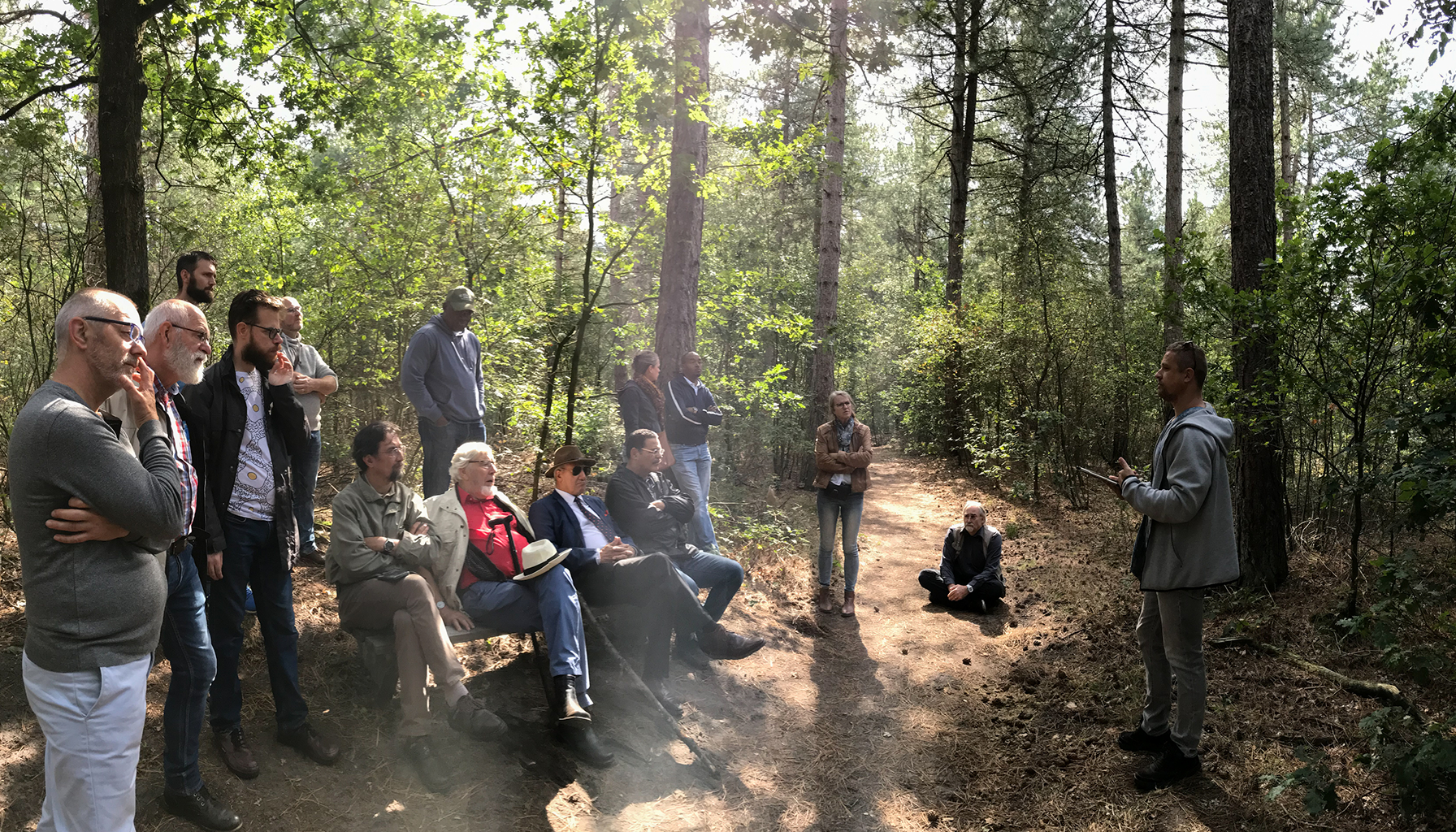
Spending time with others who knew and loved the same person can ease the loneliness that often surrounds grief. A gathering or celebration of life does not have to be formal or large. It might be as simple as inviting a small group to your home for coffee and cake, with a few photographs placed on the table. Some families choose a favorite park or outdoor place, spreading blankets and sharing stories in the open air. Others reserve a room in a community space and create a photo wall or memory table.
Sometimes it feels especially meaningful to meet in a place that was important to the person you miss. This might be the café where they always ordered the same drink, a forest path you walked together many times, a stadium where they cheered for their team or a seaside town that holds holiday memories. Returning to such a place invites stories to surface almost by themselves. As you walk the route they loved or sit at their usual table, the surroundings can make it easier to talk, remember and feel them close in a quiet, familiar way.
During these moments together, stories often flow in a way they rarely do when you are alone. Someone remembers a small, funny detail that makes everyone smile, while another speaks about a moment of support or kindness they never forgot. By speaking these memories out loud, you give them new life. They stop being private thoughts and become shared threads that connect everyone in the room. The day may be emotional, but it is often described afterwards as warm and strengthening.
8. Keep a Special Memento with You
A small object can become a powerful personal symbol. Many people feel comforted by carrying something that connects them to the person they lost. It could be a ring or necklace they once wore, a bracelet given as a gift or a locket with a small photo inside. Others keep a handwritten note in their wallet or place a tiny item in a pocket of their bag, so it is always close at hand.
For some people, this everyday tribute takes the form of cremation jewelry: a discreet ring, pendant or charm that holds a small amount of ashes. Knowing that this piece is with you as you go through ordinary moments such as commuting, shopping or walking the dog can make the day feel quietly connected to the person you miss.
Whether it is jewelry, a keychain, a watch or something simple like a house key, touching this memento during a difficult meeting, a hospital visit or a moment of stress can bring a surprising sense of steadiness. It is a quiet reminder that although this person is no longer physically here, the bond you share is still present.
9. Honor Their Memory Through Acts of Kindness
One of the most enduring ways to honor someone is to live out the qualities you admired in them. You might think back to what defined them in your eyes. Maybe they were remarkably kind and patient, always willing to listen when someone was having a hard day. Perhaps they were practical and generous, the person who showed up with tools, food or support when it was needed. Or maybe they filled every room with humor and lightness, making difficult situations slightly easier to bear.
Once you have a sense of those qualities, you can begin to let them appear in your own actions. You might offer extra help to a neighbor, take time to visit someone who is lonely, or make a conscious effort to bring a smile to a colleague who seems down. You do not have to explain to anyone that you are doing this in memory of your loved one, although you can choose to share it. Many people quietly dedicate such acts to the person they miss. In this way, a part of their character continues to move through the world, not only in your thoughts but also in the kindness others experience through you.
A Gentle Path Toward Ongoing Remembrance
Honoring a loved one is not a single event that you complete and then leave behind. It is something that changes with you as time passes. In the beginning you may only have the strength for very small gestures, and that is more than enough. Simply lighting a candle, writing down a single memory or sending a message to someone who also misses them can be a meaningful start. Months or years later you might feel ready to create something larger, such as a memorial garden, a dedicated gathering or a carefully designed memory book.
There is no correct way to remember someone and no timetable you must follow. The most important thing is that what you do feels honest and natural for you, whether that involves quiet reflection at home, creative projects, shared gatherings or small rituals woven into daily life. Love does not simply disappear when a life ends. It shifts into memories, habits, choices and stories. By honoring your loved one in ways that reflect who they were and who you are now, you keep that love present in your life in a gentle, continuing way.
If you have any questions or feel certain information is missing after reading this article, please contact us through the contact form. If you wish, we are also happy to offer personal advice about cremation urns, cremation jewelry or other memorial options.