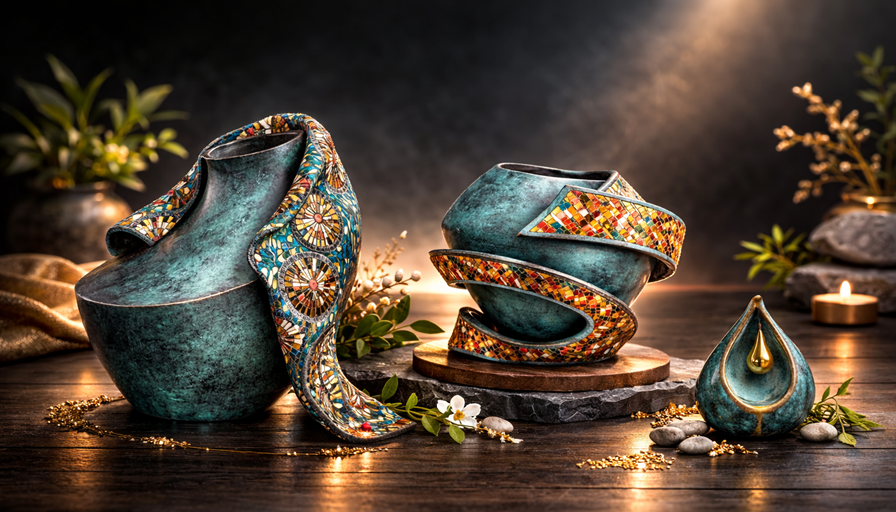
How to Share Ashes with Family Using Multiple Urns
Sharing ashes across several urns is a common and well-established choice. It can reflect modern family structures, geographical distance, or simply a wish for more than one meaningful place of remembrance. While the idea is straightforward, the details often raise questions: how ashes are divided, which urn types are suitable, and what practical steps need to happen first.
This guide is written for families who want clear, calm information. It focuses on real decisions people make, rather than idealised scenarios.
Why families choose multiple urns
There is no single reason families decide to use more than one urn. Often, it is a combination of practical and emotional factors.
A common situation is a family spread across different regions or countries. One person may want ashes at home, another may plan a later interment, and another may prefer a small keepsake. Multiple urns make this possible without forcing one approach on everyone.
Another frequent reason is shared remembrance. Parents with adult children, or siblings arranging a funeral together, may feel it is important that each person has a tangible connection. In these cases, smaller urns or keepsakes are often chosen alongside a primary urn.
There are also cultural and personal traditions that involve placing ashes in more than one location. For example, part of the ashes may be kept, while another portion is scattered at a meaningful place at a later date.
Short scenario:
A family arranges cremation for their mother. One daughter lives nearby and plans to keep a small urn at home. A son overseas wants a keepsake urn. The remaining ashes will be buried later with their father. Without multiple urns, these wishes would be difficult to balance.
Understanding how ashes can be divided
Ashes can be divided safely and respectfully after cremation. This is usually done by the funeral provider or crematorium staff, although some families choose to do it themselves later.
How division usually happens
After cremation, ashes are placed in a temporary container unless an urn is already provided. Families can request that the ashes be separated into two or more containers at this stage. Each portion is carefully measured or divided by weight or volume, depending on the number of urns required.
In both the UK and the US, this is a routine request and does not require special permission beyond the family’s authorisation.
Timing matters
If you know in advance that multiple urns will be needed, it is helpful to decide early. This allows the ashes to be divided before they are sealed or transferred. However, it is still possible to divide ashes later if plans change.

Types of urns used when sharing ashes
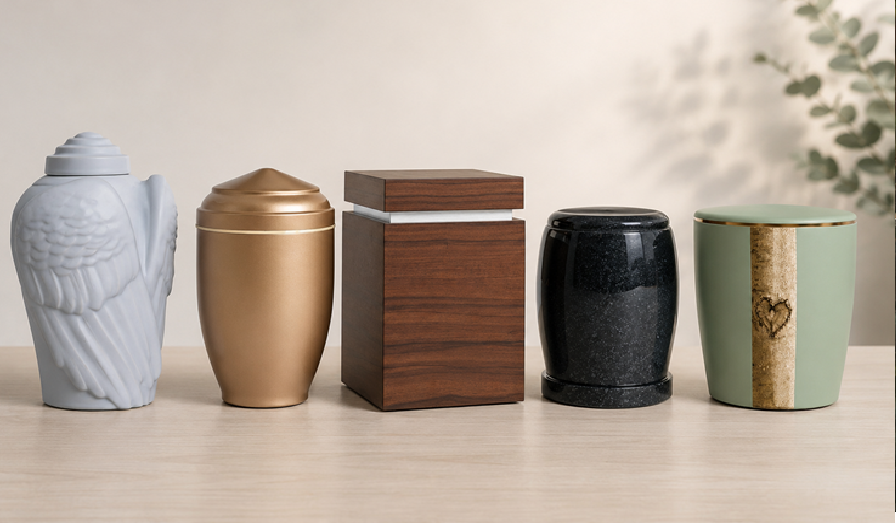
When families talk about “multiple urns,” they often mean different things. There are several categories, each serving a distinct purpose.
Full-size urns
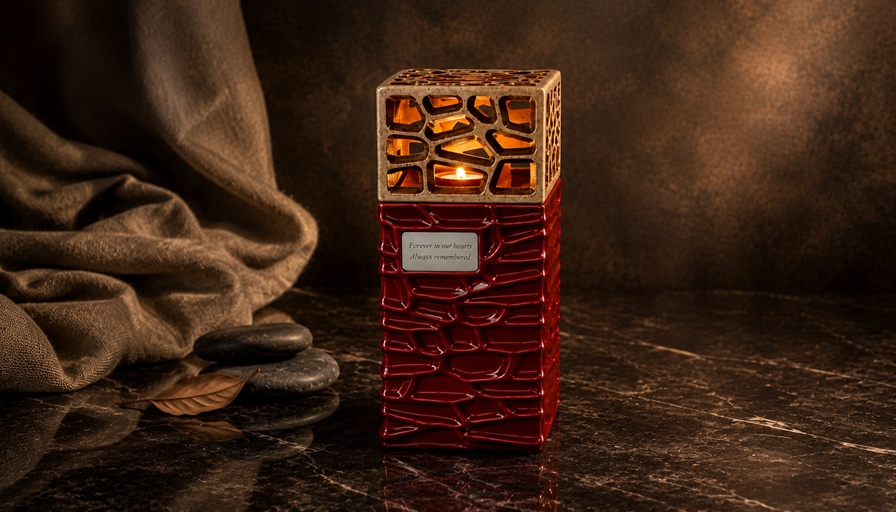
A full-size urn is designed to hold all the ashes of an adult. When families use more than one full-size urn, it is usually because ashes are being split evenly between two people or two final locations.
This option is less common than using smaller urns, but it can be appropriate for couples, siblings, or situations where ashes will be buried or placed separately.
Double urns
Double urns are designed to hold ashes from two people in one shared vessel, often with internal compartments. While they are commonly associated with couples, they can also be relevant when families are planning long-term arrangements.
For example, a family may use keepsakes now, with the remaining ashes later placed together in a double urn after a second cremation.
Keepsake urns
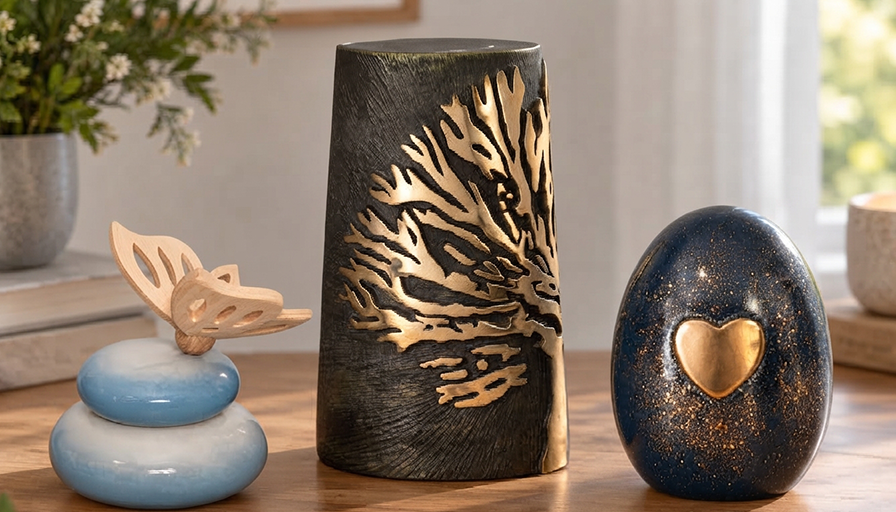
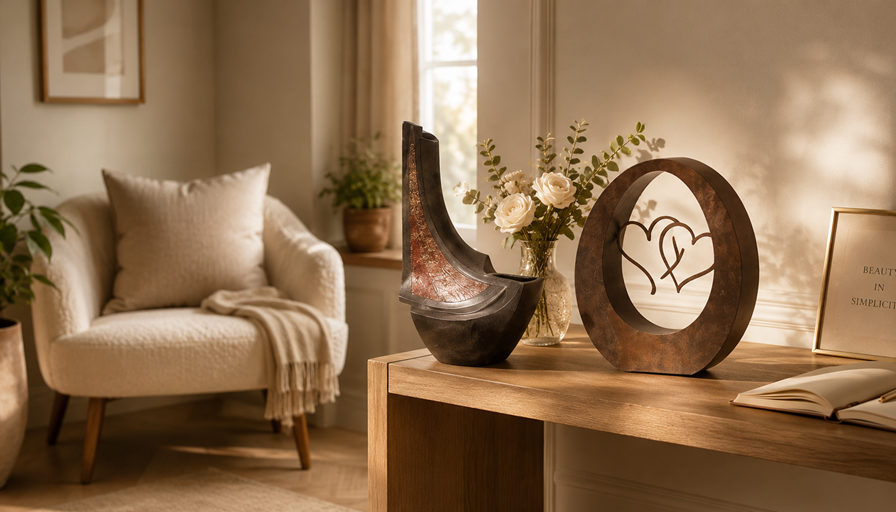
Keepsake urns are smaller vessels designed to hold a portion of ashes. These are the most frequently chosen option for sharing ashes among family members.
Keepsakes vary widely in material and size, from small metal urns to ceramic or biodegradable designs. They allow each person to have a personal place of remembrance without needing space for a full urn.

Choosing the right combination of urns
Most families do not choose urns all at once. Decisions often happen in stages, especially when emotions are still raw.
Start with the main plan
It helps to begin by deciding what will happen to the majority of the ashes. Will they be kept, buried, or scattered? Once this is clear, the remaining portions can be allocated more easily.
For example:
One main urn for burial or permanent placement
Several keepsake urns for close family members
Think about location and storage
Where an urn will be kept matters. A keepsake intended for a shelf at home may need a different material or finish than one that will be buried or placed outdoors later.
Avoid rushing size decisions
A common mistake is choosing keepsakes that are too small for the intended number of people. Ash volume varies, and dividing ashes into many portions requires enough capacity. It is always better to allow some margin.
Short scenario:
Three siblings each want a keepsake, and the remaining ashes will be scattered. They initially choose very small keepsakes, only to find they are not large enough. Replacing them delays the process and adds stress that could have been avoided.
Materials and durability: what matters and what does not
Families sometimes worry about choosing the “right” material, fearing that a wrong choice could cause problems later. In practice, most materials are suitable if matched to the intended use.
Common materials
Metal: Durable and suitable for long-term indoor storage. Often chosen for keepsakes.
Ceramic: Traditional appearance, suitable for display but more fragile.
Wood: Warm and understated, typically for indoor use only.
Biodegradable materials: Used when ashes will be buried or scattered in a natural setting.
Crematorium and funeral provider practices
Both UK and US crematoria routinely handle requests to divide ashes. However, terminology and timing may vary. In the UK, ashes are often referred to as “cremated remains,” while in the US “cremains” is also commonly used.
Transporting ashes
Transporting ashes within either country is usually straightforward. If ashes are sent by post or courier, providers typically require secure, sealed containers and documentation. This applies whether ashes are in one urn or several.
International transport involves additional rules and is beyond the scope of this article, but using smaller keepsake urns can simplify the process.
Cemetery and memorial rules
If ashes are to be buried or placed in a columbarium, rules may specify urn size or material. These rules apply equally in both countries but vary by location rather than by national law.
Common mistakes families make
Understanding common pitfalls can make the process smoother.
- Not discussing plans openly
Assumptions about who wants what can lead to misunderstandings. A brief conversation early on often prevents conflict later. - Choosing urns before knowing the ash volume
Ash volume can vary based on body size and cremation process. Allow flexibility. - Overlooking future plans
Families sometimes focus only on the immediate situation and forget about later burial, scattering, or shared memorials. - Ignoring practical storage needs
A beautiful urn is not helpful if it does not fit the intended space.
Practical step-by-step overview
For families who prefer a clear sequence, the process usually looks like this:
- Decide whether ashes will be shared and why.
- Identify how many urns are needed and in what sizes.
- Choose appropriate urn categories (full-size, keepsake, or a mix).
- Inform the funeral provider or crematorium of the plan.
- Confirm any cemetery or memorial site requirements.
- Receive and place the urns according to each person’s wishes.

Frequently asked questions
Can ashes be divided equally between several urns?
Yes. Ashes can be divided by weight or volume into equal portions. Funeral providers handle this regularly.
Is there a legal limit on how many urns can be used?
No. In both the UK and the US, there is no legal limit on the number of urns used for one person’s ashes.
Do keepsake urns need to be sealed?
Most keepsake urns are designed to be sealed, either with a threaded lid or adhesive. This helps prevent accidental spillage.
Can one person keep ashes while another scatters theirs?
Yes. Ashes can be divided so that different portions are used in different ways.
Are multiple urns more expensive overall?
Costs depend on the types chosen. Several keepsake urns can cost less than multiple full-size urns, but families should plan based on needs rather than price alone.
Can ashes be reunited later?
Yes. Ashes kept in separate urns can be combined later if families decide on a shared final resting place.
Final thoughts
Choosing multiple urns is less about dividing remains and more about respecting different ways of remembering. There is no single correct approach. Families in both the UK and the US make these decisions every day, adapting traditional practices to modern lives.
By understanding the options and thinking through practical details early, families can avoid unnecessary stress and focus on what matters most: remembrance that feels right to everyone involved.
If you feel certain information is missing or have questions after reading this post, you are welcome to contact us via the contact form.