How to Create a Meaningful Memorial Space at Home for Your Pet
Losing a pet often changes the atmosphere of a home in subtle but noticeable ways. Familiar routines disappear, favourite sleeping spots remain empty, and everyday moments can suddenly feel different. Creating a memorial space at home offers a gentle way to acknowledge that loss while keeping the relationship and memories connected to daily life.
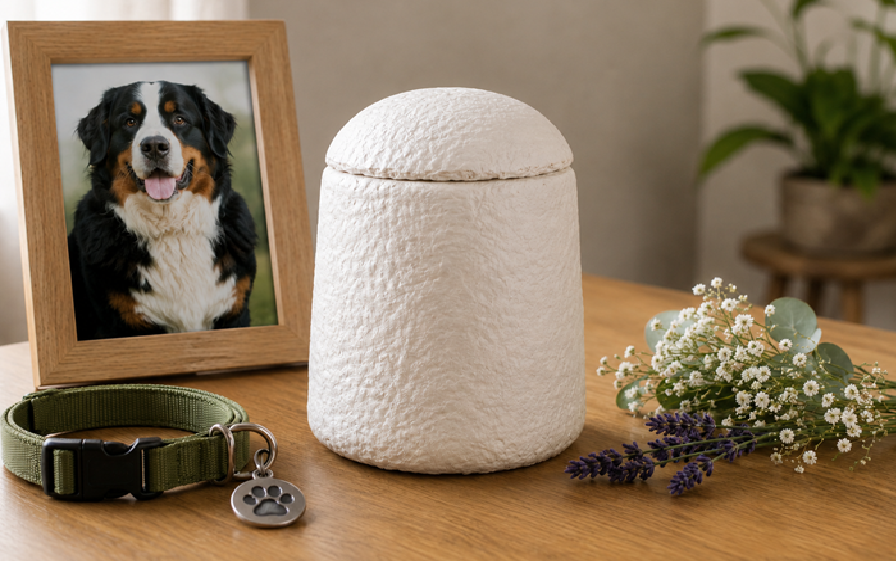
A pet memorial space does not need to follow strict rules or traditions. Some people prefer a quiet and minimal arrangement with a framed photograph and a candle, while others create a more detailed display with an urn, keepsakes, paw prints, or favourite toys. What matters most is that the space feels personal, comforting, and appropriate for your home and your memories.

What Is a Pet Memorial Space?
A pet memorial space is a dedicated area in the home or garden that honours the memory of a beloved animal companion. It can serve as a place for reflection, remembrance, and emotional connection. Some families visit the space daily, while others simply appreciate having a visible reminder of their pet nearby.
Common elements often included in a pet memorial space are:
- A pet urn or ashes keepsake
- Framed photographs
- A collar, tag, or favourite toy
- Paw print impressions
- A candle or soft lighting
- Fresh flowers or plants
- Memorial jewellery or small keepsakes
- A handwritten note or engraved plaque
There is no requirement to include all of these items. In many cases, simplicity creates the most peaceful atmosphere.
Choosing the Right Location in Your Home
The location of the memorial space often shapes how comforting and natural it feels. Some people prefer a quiet private area, while others choose a central part of the home where the pet spent most of its time.
Suitable locations may include:
A Living Room Shelf or Cabinet
This is one of the most common options because it allows the memorial to remain part of daily life without becoming overwhelming. A carefully arranged shelf with a photo and urn can feel balanced and discreet.
A Bedroom Corner
Bedrooms often provide a more personal and calming setting. This can be especially comforting for people who shared close routines with their pet, such as sleeping nearby or spending quiet evenings together.
A Hallway Console or Entry Table
For some families, placing the memorial near the entrance of the home reflects the welcoming role the pet played in everyday life.
A Garden Memorial Area
In both the USA and the UK, outdoor memorials remain a meaningful option for those with a garden or patio. A memorial stone, weather-resistant urn, or planted flowers can create a peaceful place for reflection outdoors.
When choosing a location, consider practical details such as natural light, privacy, safety from children or other pets, and whether the space feels emotionally comfortable over time.
Deciding What to Include in the Memorial Space
The most meaningful memorial spaces usually focus on a few carefully chosen items rather than many decorative objects. Each item should contribute to the feeling of remembrance without making the space visually cluttered.
Photographs
A favourite photograph often becomes the emotional centre of the memorial. Many people choose an image that reflects the pet’s personality rather than a formal portrait. A simple frame in wood, ceramic, or metal usually works best for a calm and timeless appearance.
Pet Urns
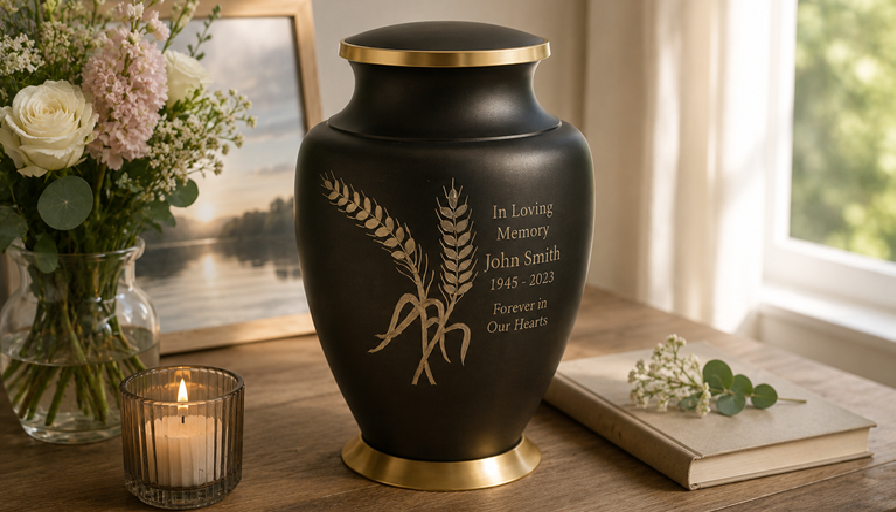
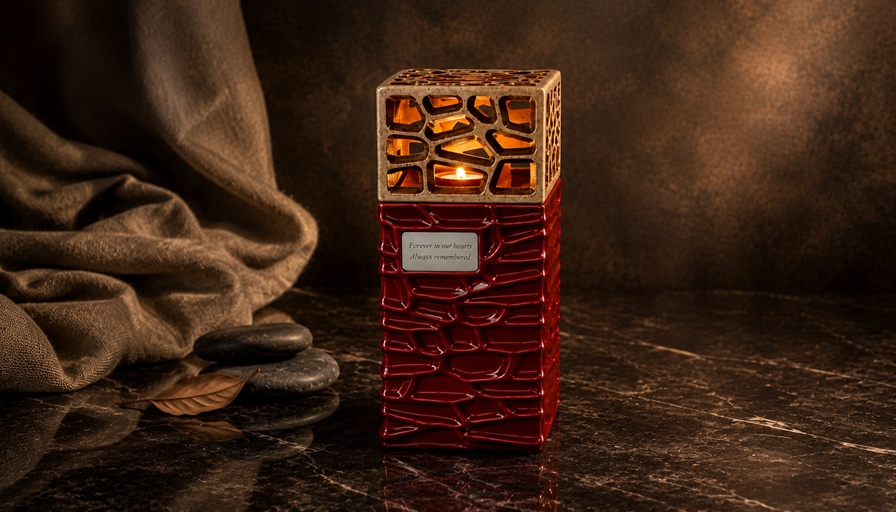
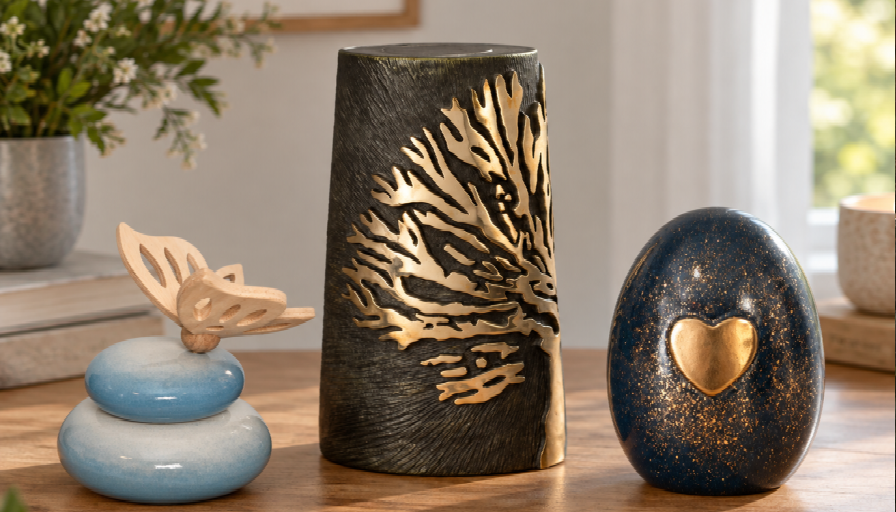
If your pet was cremated, an urn can become an important part of the memorial space. Modern pet urns are available in many styles, ranging from traditional designs to contemporary ceramic or artistic forms that blend naturally into home interiors.
Some families prefer to keep the urn discreet, while others place it centrally as a visible tribute. Choosing a design that fits comfortably within your home often helps the memorial feel more peaceful and integrated into everyday life.
Paw Prints and Keepsakes
Clay paw prints, fur clippings, engraved nameplates, or memorial jewellery can add a personal element without requiring much space. These smaller keepsakes are often especially valued because they preserve physical reminders connected to the pet.
Lighting and Candles
Soft lighting can make the memorial space feel calm and reflective. Battery-operated candles are often a practical option, particularly in homes with children or other animals.
Flowers and Plants
Fresh flowers bring warmth and natural beauty, while houseplants or small memorial trees can symbolise continuity and care. Some people choose plants connected to the season their pet passed away or flowers associated with remembrance.
Creating a Space That Feels Peaceful Rather Than Sad
One concern many people have is whether a memorial space will feel emotionally heavy over time. In practice, thoughtfully designed memorials often become comforting rather than upsetting.
The atmosphere of the space matters. Neutral colours, natural materials, soft textures, and uncluttered arrangements usually help create a sense of calm. The goal is not to preserve grief permanently but to acknowledge the relationship in a healthy and supportive way.
Some people find it helpful to include objects connected to positive memories, such as:
- A photo from a favourite walk or holiday
- A toy that reflects the pet’s personality
- A written memory or meaningful date
- A small framed quote that feels genuine and personal
A memorial space should feel emotionally sustainable. If the arrangement becomes too overwhelming, it is completely appropriate to simplify or adjust it over time.

Indoor Versus Outdoor Pet Memorials
Both indoor and outdoor memorials offer different kinds of comfort. The best choice depends on your living situation, personal preferences, and how you wish to remember your pet.
Benefits of Indoor Memorial Spaces
- Protected from weather and seasonal changes
- Easier to integrate into daily routines
- Suitable for apartments and smaller homes
- Allows ashes and keepsakes to remain nearby
Benefits of Outdoor Memorial Spaces
- Creates a peaceful natural environment
- Can feel symbolic of freedom and connection to nature
- Suitable for larger memorial objects or planted tributes
- Provides a dedicated place for quiet reflection
Some families choose to combine both approaches by keeping a small indoor memorial while also creating a garden tribute.
Including Children in the Memorial Process
For families with children, a memorial space can help explain loss in a gentle and understandable way. Children often benefit from having a visible place connected to memory and conversation.
Simple involvement may include:
- Choosing a favourite photo
- Drawing pictures for the memorial area
- Helping plant flowers
- Writing a short note or memory
It is usually best to keep explanations clear, calm, and age-appropriate. The memorial should feel supportive rather than overly formal or emotionally intense.
Personalising the Memorial Without Overcomplicating It
Personalisation can make a memorial feel meaningful, but too many decorative elements may reduce the calm atmosphere. Small thoughtful details are often more effective than elaborate displays.
Meaningful personal touches may include:
- An engraved urn with the pet’s name and dates
- A custom illustration or portrait
- A handwritten memory card
- A favourite blanket folded nearby
- A seasonal flower arrangement
Some families also incorporate subtle memorial jewellery or keepsakes that allow them to carry part of the remembrance privately throughout daily life.
Common Mistakes When Creating a Pet Memorial Space
Choosing a Location Too Quickly
Immediately after loss, emotions can make decisions feel urgent. It is often better to start with a temporary arrangement before committing to a permanent location.
Adding Too Many Objects
Memorial spaces usually feel more peaceful when they remain simple and intentional. Too many items can unintentionally create visual or emotional overwhelm.
Feeling Pressured to Follow Trends
Memorial spaces are deeply personal. Social media trends or highly decorative examples may not reflect what genuinely feels comforting in your own home.
Ignoring Practical Considerations
Fragile items, direct sunlight, moisture, or unstable shelving can affect the long-term preservation of memorial objects. Practical placement helps ensure the space remains beautiful and safe over time.
How Memorial Spaces Can Evolve Over Time
Many people adjust their memorial space gradually in the months and years after loss. Some keep the arrangement unchanged, while others simplify it or move certain items elsewhere in the home.
This is completely natural. A memorial space does not need to remain fixed forever. The purpose is to support remembrance in a way that feels appropriate to your life and emotional needs.
For some, the memorial eventually becomes a quiet background presence rather than an active place of grief. For others, it continues to serve as an important reflective space during anniversaries or significant moments.
Choosing Memorial Products Thoughtfully
If you decide to include memorial products such as urns, keepsakes, or remembrance jewellery, it can help to focus on quality, durability, and emotional suitability rather than trends.
Natural materials such as ceramic, wood, glass, or stone often create a calmer and more timeless appearance than highly decorative alternatives. Many people also prefer designs that blend naturally with their home interior rather than appearing overly formal.
When selecting an urn or keepsake, consider:
- The size appropriate for your pet
- Whether you want a visible or discreet design
- The style of your home
- Whether personalisation feels meaningful to you
- If multiple family members would like shared keepsakes
Thoughtfully chosen memorial products can support the overall atmosphere of the space without making it feel commercial or impersonal.

FAQ About Pet Memorial Spaces at Home
How soon should I create a memorial space after losing a pet?
There is no required timeline. Some people create a small memorial immediately, while others wait weeks or months until emotions feel less intense. A temporary arrangement can help while deciding what feels right long term.
Do I need to keep my pet’s ashes at home to create a memorial?
No. Many memorial spaces focus on photographs, collars, paw prints, or personal objects instead of ashes. The memorial is about remembrance rather than specific items.
Can a pet memorial space be moved later?
Yes. Memorial spaces often evolve over time. It is completely acceptable to move, simplify, or redesign the space if your needs or living situation change.
What is the best room for a pet memorial?
The best location is usually somewhere that feels emotionally comfortable and naturally connected to your daily life. Living rooms, bedrooms, and quiet hallway areas are common choices.
Should children be included in creating the memorial?
In many cases, yes. Allowing children to participate in small meaningful ways can help them process the loss gently and openly.
Are outdoor pet memorials suitable in colder climates?
Yes, provided weather-resistant materials are used. Stone, metal, and certain ceramics are often suitable for outdoor use in both UK and US climates.
A Quiet Space for Reflection and Memory
A memorial space at home can offer more than decoration. It becomes a place where memories remain connected to daily life in a calm and natural way. Whether the space is simple or detailed, indoors or outdoors, the most important aspect is that it reflects your relationship with your pet honestly and comfortably.
Over time, many people find that these spaces shift from being centred on loss to becoming quiet reminders of companionship, routine, and affection. The memorial does not need to be perfect or permanent. It only needs to feel meaningful to you and supportive within your home.
If you are considering adding an urn, keepsake, or personalised memorial item, taking time to choose something that genuinely fits your home and memories often creates the most lasting comfort.
If you feel certain information is missing or you have questions after reading this post, Please feel free to contact us via the contact form.