When Is It Right to Replace a Cremation Urn?
Replacing a cremation urn can feel like a delicate decision. For some families, the thought comes up because the current urn is damaged, temporary, too small, too visible, or simply no longer feels right. For others, the first urn was chosen quickly at the time of the funeral, when there was little time or emotional space to think about design, material, placement, or long-term meaning.
Choosing a new urn does not mean the original choice was wrong. It usually means that circumstances have changed, or that you now have a clearer sense of what feels suitable. A cremation urn has two important roles. It protects the ashes, and it supports remembrance. If the current urn no longer does one of those things well, replacing it can be a practical, respectful, and meaningful step.
Many families only begin to think about a permanent urn months or even years after the cremation. This is common. The first days after a death are often shaped by paperwork, funeral arrangements, family conversations, and decisions that have to be made quickly. Later, when life has settled into a different rhythm, it becomes easier to ask a more considered question: does this urn still feel right for the person we are remembering?
Is It Respectful to Replace a Cremation Urn?
Yes, replacing a cremation urn can be entirely respectful when the reason behind the decision is thoughtful. The ashes are not being treated casually. On the contrary, many families choose a new urn because they want the ashes to be kept more safely, displayed more appropriately, or honoured in a way that feels more personal.
The emotional hesitation is understandable. An urn can become connected to the funeral, the first weeks of grief, or the first visible place of remembrance in the home. Changing it may feel, at first, like changing something important. But the memory itself is not held by the object alone. The urn is a vessel, and its purpose is to serve the person, the ashes, and the family’s way of remembering.
If a new urn offers better protection, a more fitting design, or a more practical arrangement for the family, the change can be seen as an act of care rather than a rejection of the past.
A Practical Rule of Thumb
You may want to consider replacing a cremation urn if one or more of the following applies:
- The current urn is cracked, unstable, loose-sealing, worn, or difficult to handle.
- The ashes are still in a temporary container from a funeral home or crematorium.
- The urn does not fit the room, shelf, niche, or memorial space where it is kept.
- The original choice was made quickly and no longer feels personal.
- You now want engraving, a symbol, a name, dates, or a more meaningful material.
- The ashes need to be divided among family members.
- You would prefer a more discreet urn, a more durable urn, or a safer long-term option.
- The family has decided on a different memorial arrangement, such as keepsake urns, a companion urn, or cremation jewellery.
If none of these points feels familiar, there may be no reason to make a change. But if several do, replacing the urn may not be about “upgrading” at all. It may simply be about choosing a vessel that better suits the way the ashes are now being kept, shared, or remembered.

Start With the Real Question: What Is No Longer Working?
The easiest way to make the decision clearer is to ask what exactly feels unsuitable about the current urn. In most cases, the answer falls into one of four areas: protection, placement, appearance, or family needs.
When the Current Urn No Longer Protects the Ashes Properly
This is the clearest reason to act. A cremation urn should feel secure, stable, and appropriate for long-term safekeeping. If the urn has visible cracks, chips, corrosion, a loose lid, weak fittings, damaged seals, or an unstable base, it may no longer be the best place for the ashes.
This is especially important if the ashes are still in the basic container supplied after cremation. Many crematoriums and funeral homes provide a practical container for collection or short-term storage. These containers can be perfectly suitable for transport and initial handling, but they are not always intended as a permanent memorial object.
A more durable urn can provide better protection and a more considered place for the ashes. In that situation, replacing the container is not a matter of taste. It is a practical decision about safekeeping.
When the Urn No Longer Fits the Home or Memorial Space
Sometimes there is nothing wrong with the urn itself, but it no longer fits the place where it is kept. A large urn may have suited one home but feel too prominent after a move or renovation. A delicate urn may feel less practical in a household with children, pets, or frequent visitors. A very traditional design may not sit naturally in a modern interior.
This does not make the original urn a poor choice. It simply means that the setting has changed. An urn is often lived with for many years. It may be placed on a mantelpiece, inside a cabinet, on a shelf, in a bedroom, or in a dedicated memorial corner. The design, size, and material should make that presence feel manageable rather than awkward.
For some families, the right urn is one that can be seen. For others, it is something discreet that blends gently into the home. Neither approach is more respectful than the other. What matters is whether the urn supports remembrance in a way that feels natural to the people living with it.
When the Urn Does Not Reflect the Person Well
Many first urn choices are made under pressure. Families may choose from a limited selection because the funeral is approaching, the ashes need to be collected, or a decision has to be made before anyone feels ready. At that stage, practical completion often matters more than personal meaning.
Later, the family may realise that the urn does not feel quite right. It may look too formal, too plain, too decorative, too visible, or too unlike the person it represents. This is one of the most common reasons people begin looking for a replacement urn.
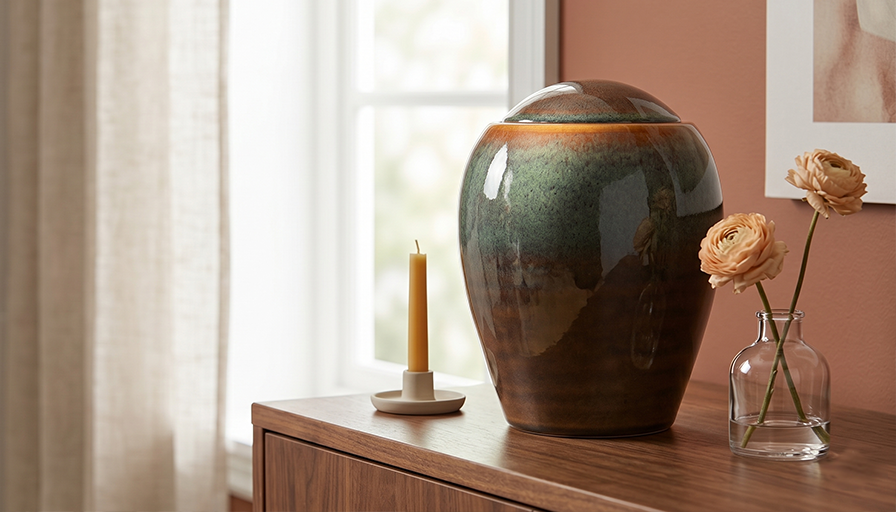
A more suitable urn does not need to tell the whole story of a life. No object can do that. But it can reflect something meaningful. A wooden urn may feel simple and grounded. A ceramic urn may feel softer and more artistic. A metal urn may offer strength and security. A stone urn may feel substantial and enduring. A glass or handmade urn may suit someone with a creative or individual character.
The aim is not to find a perfect object. The aim is to find an urn that feels appropriate when you see it, touch it, and live with it.
When Family Needs Change Over Time
Memorial decisions often evolve. What felt right immediately after the funeral may not meet the family’s needs later. One person may have kept the ashes at first, while others later decide they would also like a small keepsake. Siblings may want to divide the ashes. A partner may want cremation jewellery. A family may decide that a larger urn should be replaced with several smaller keepsake urns.
In other cases, a companion urn may become relevant. This is most often chosen for couples, but it can also be suitable where two closely connected people are intended to be remembered together.
These decisions are not unusual. Grief changes shape over time, and practical arrangements sometimes need to change with it. Replacing or adding to the original urn can help the family create a more balanced form of remembrance.
Common Reasons Families Choose a New Urn
The First Urn Was Only a Temporary Choice
This is one of the most common situations. The first urn may have been selected because it was available quickly, included in the cremation arrangements, or suitable for transport from the funeral home. At the time, that may have been enough.
Later, however, a temporary container can start to feel unfinished. Families may want a permanent urn that feels more secure, more personal, or more appropriate for display at home. In this case, the new urn is not replacing a carefully chosen memorial. It is completing a decision that was postponed during a difficult period.
The Urn Has Become Damaged or Unstable
Any sign of structural weakness should be taken seriously. Minor surface marks may not matter, but cracks, loose lids, damaged bases, and unstable fittings are different. The ashes deserve to be kept in a vessel that feels safe and reliable.
If you are unsure whether the urn is still suitable, avoid unnecessary handling. Ask a funeral director, crematorium, or urn specialist for advice before opening or moving it.
The Memorial Setting Has Changed
A change of home, furniture, family situation, or memorial location can affect what kind of urn makes sense. An urn that once stood in a quiet room may no longer be practical in a busier household. A design that looked suitable in one setting may feel too dominant in another.
If the ashes will be placed in a cemetery niche, columbarium, or other formal memorial setting, it is also important to check any size, material, or sealing requirements before choosing a new urn. Requirements can vary by location and provider, especially in the USA where cemetery and state practices can differ.
The Family Wants a More Personal Memorial
Personalisation is often easier to consider after some time has passed. In the first weeks after a death, choosing exact words for engraving or deciding on a symbol can feel overwhelming. Later, a name, date, short inscription, religious symbol, natural motif, or custom finish may feel more appropriate.
A replacement urn can allow for that additional thought without making the memorial feel overdesigned. A small engraving or carefully chosen symbol is often enough.
You Want to Divide the Ashes Respectfully
Families sometimes decide later that one central urn is not enough. A partner, child, sibling, or parent may want a small portion of ashes in a keepsake urn or piece of cremation jewellery. This can be especially meaningful when relatives live far apart or when several people want a private form of remembrance.
In this situation, replacing the original urn may not always be necessary. Sometimes the best solution is a main urn combined with keepsake urns or jewellery. The right choice depends on how much ash will remain in the main urn and how the family wants to share remembrance.
How to Decide Without Feeling Guilty
A helpful way to approach the decision is to separate emotion from function, without ignoring either.
Ask yourself:
- Does the current urn protect the ashes properly?
- Does it feel suitable for where it is kept?
- Does it reflect the person in a way that feels respectful?
- Is it practical for the family’s current and future needs?
- Would a different urn solve a real problem?
- Would keeping the current urn feel easier, or simply avoid a difficult decision?
That last question can be important. Sometimes people keep an unsuitable urn because changing it feels emotionally complicated. But if the current urn causes discomfort, worry, or a sense that something remains unfinished, it may be worth considering a better-fitting option.
The choice is not between loyalty and change. It is between an urn that still serves its purpose and an urn that may now serve that purpose better.
What to Check Before Choosing a Replacement Urn
Capacity
Capacity is one of the most important practical details. The new urn must be large enough for the ashes it will hold. As a general guide, adult urn size is often calculated based on body weight before cremation, but exact amounts can vary.
If you are unsure, check the information provided by the crematorium, funeral director, or original container. If you plan to divide the ashes, check the capacity of each keepsake urn or piece of cremation jewellery before transferring anything.
Choosing an urn that is too small creates unnecessary stress. Capacity should always come before design.
Material
Different urn materials suit different purposes.
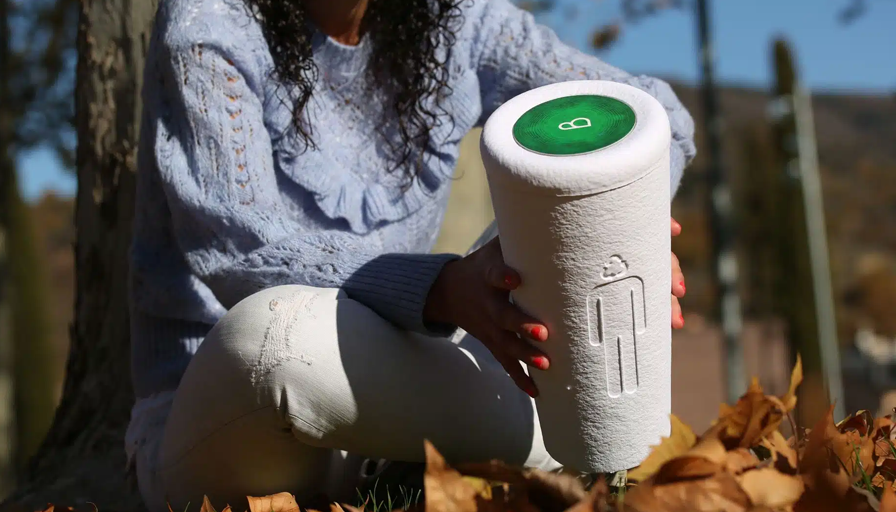
Ceramic urns can feel refined and personal, especially when handmade or artistically finished. Metal urns are often chosen for durability and secure closure. Wooden urns can feel understated and natural. Stone urns have weight and permanence. Biodegradable urns may be suitable for burial or scattering ceremonies, depending on local rules and personal wishes.
The best material depends on where the urn will be kept, how often it may be handled, and whether it is intended for home display, burial, a niche, or temporary use before scattering.
Closure and Security
Before choosing a new urn, check how it opens and closes. Some urns have a threaded lid. Others use a bottom plate, stopper, screw fitting, or adhesive seal. If the urn will remain at home, a secure and stable closure is important. If it will be placed in a cemetery or columbarium, the provider may have specific requirements.
A beautiful urn is not enough if it does not close safely or suit the intended location.
Placement
Think carefully about where the urn will be placed. Will it stand in open view, inside a cabinet, on a shelf, in a bedroom, or in a dedicated memorial space? Will it be exposed to sunlight, humidity, or frequent movement? Will children or pets be nearby?
These practical questions do not make the choice less meaningful. They help ensure the urn can be lived with safely and comfortably over time.
Personalisation
If engraving matters to you, check whether the urn can be personalised before ordering. Not every material or shape is suitable for engraving. Some urns allow direct engraving, while others may require a small plaque, pendant, base plate, or separate nameplate.
It is better to confirm this before choosing the urn than to discover later that personalisation is limited.
Shared remembrance
If several relatives want a close form of remembrance, consider whether one urn is enough. In many cases, a larger main urn can be paired with keepsake urns or a discreet piece of cremation jewellery. This can help families balance a central memorial with private remembrance.

How Are Ashes Transferred Into a New Urn?
Many families delay replacing an urn because they are unsure about the transfer process. In many cases, the process is more straightforward than expected, especially if the ashes are already held inside a sealed inner bag.
Some people ask a funeral director or crematorium to transfer the ashes for them. This can be the best option if the current container is sealed, damaged, difficult to open, or emotionally hard to handle. Others prefer to transfer the ashes themselves in a private setting.
If you choose to do it yourself, prepare carefully:
- Make sure the new urn is ready and open.
- Check the closure method before starting.
- Work on a clean, stable surface.
- Place a soft cloth beneath the containers.
- Avoid rushing.
- Keep the inner bag intact if possible.
- Ask for help if the urn is heavy or difficult to handle.
For some people, the transfer feels emotional. For others, it feels reassuring because the ashes are being placed into something more fitting. Both reactions are normal. There is no correct emotional response.
Is Replacing an Urn Different in the USA and the UK?
In both the USA and the UK, families often make further decisions about ashes after the cremation has already taken place. Ashes may be kept at home, placed in an urn, interred, scattered, shared among relatives, or incorporated into keepsake items, depending on the family’s wishes and any relevant local requirements.
The main point is to check the setting. If the ashes are kept at home, the choice is usually personal and practical. If the urn will be placed in a cemetery, churchyard, crematorium garden, columbarium, or memorial niche, you should always check the rules of that specific location before buying a replacement urn.
This is particularly important for size, material, sealing, and whether the urn must be suitable for burial or above-ground placement.
Mistakes to Avoid When Replacing a Cremation Urn
Choosing Only by Appearance
Design matters, but it should not be the only factor. An urn that looks beautiful online may be too small, too fragile, too large, or unsuitable for the intended setting. Always check capacity, measurements, material, and closure before making a final decision.
Forgetting About Long-Term Use
Think beyond the moment the urn arrives. Will it still feel suitable in five or ten years? Can it be moved safely if needed? Will the design feel too prominent in the home? Is the material easy to care for?
A cremation urn is often a long-term presence. It should not only look right. It should also feel practical to live with.
Rushing the Decision Again
If the first urn was chosen quickly, give yourself permission not to repeat that experience. Replacing an urn is often a chance to make a more considered choice. Take time to compare size, material, style, and meaning.
A slower decision is often a better decision.
Ignoring Other Memorial Options
A replacement urn is not always the only answer. Sometimes a family needs a combination of memorial forms. A main urn can remain at home while smaller keepsake urns are given to close relatives. Cremation jewellery can hold a very small portion of ashes. A companion urn may be appropriate for two people. A biodegradable urn may suit burial or scattering plans.
The right arrangement is the one that reflects how the family wants to remember, not simply the one that replaces one object with another.
Frequently Asked Questions
Can You Replace a Cremation Urn After the Funeral?
Yes. Many families choose a different urn after the funeral, especially if the original urn was temporary, chosen quickly, or no longer feels suitable. This can be a respectful decision when it is made with care.
Is It Disrespectful to Move Ashes Into a New Urn?
No, not when the ashes are handled carefully and the reason is thoughtful. Replacing an urn for better protection, a more fitting design, or a more suitable family arrangement is generally an act of respect.
How Do I Know If My Current Urn Is Temporary?
If the container was supplied as part of the cremation process and was not chosen as a dedicated memorial urn, it may be temporary. Basic boxes, plastic containers, and simple standard vessels are often intended for practical holding rather than long-term display.
Can Ashes Be Split Between Family Members Later?
Yes. Many families decide to divide ashes later. Keepsake urns, small urns, and cremation jewellery can offer a respectful way for several relatives to keep a personal connection.
Do I Need a Funeral Director to Transfer the Ashes?
Not always. Some families transfer ashes themselves, especially if the ashes are sealed in an inner bag. However, professional help is advisable if the urn is sealed, damaged, difficult to open, or if the process feels too emotional.
Can I Keep the Old Urn?
Yes, in some cases. Some families keep the original urn or container privately because it was part of the funeral or early period of remembrance. Others prefer to let the new urn become the main memorial. There is no single right choice.
Should I Choose Engraving Immediately?
Not necessarily. Some people know the right wording straight away. Others prefer to wait. If engraving matters to you, choose an urn that allows personalisation, but do not feel pressured to decide on the wording before you are ready.
A More Suitable Urn Can Bring Clarity
Replacing a cremation urn is not about replacing memory. It is about making sure the ashes are kept in a way that feels secure, appropriate, and meaningful now.
For some families, this means moving from a temporary container to a permanent urn. For others, it means choosing a design that better reflects the person who has died. Sometimes it means finding a safer material, a more discreet shape, a better size, or a combination of a main urn with keepsakes for family members.
The most important question is not whether you are allowed to change the urn. In most personal situations, you can. The more important question is whether a different urn would better serve the purpose of protection, remembrance, and long-term peace of mind.
When the time feels right, start with practical needs first: capacity, material, closure, and placement. Then consider style, symbolism, and personalisation. A good urn should not only look fitting on the day it arrives. It should continue to feel appropriate in the years that follow.
If you are unsure about size, material, personalisation, or how ashes can be transferred safely, careful guidance can help you choose an urn that fits your situation with clarity and respect.