Sustainability

Seven Meaningful Ways to Scatter Ashes With Care and Intention
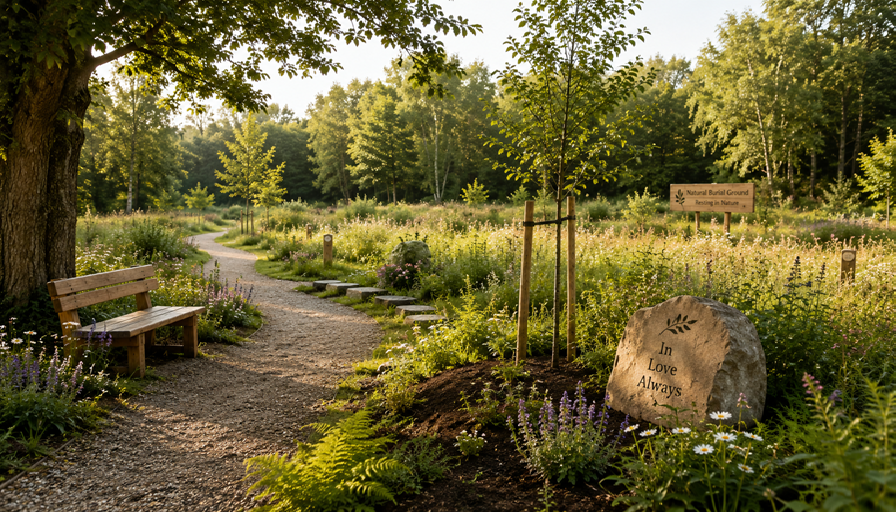
Scattering ashes is a deeply personal choice, often shaped by memory, place, and the kind of farewell a family wants to create. Some prefer a quiet moment close to home, while others choose a landscape, shoreline, or destination that carried meaning during life. This guide explores seven thoughtful ways to scatter ashes, with attention to both emotional significance and practical considerations. It is written to help families make a choice that feels fitting, respectful, and manageable.
Why Many Families Choose Ceramic Urns for a Lasting Memorial
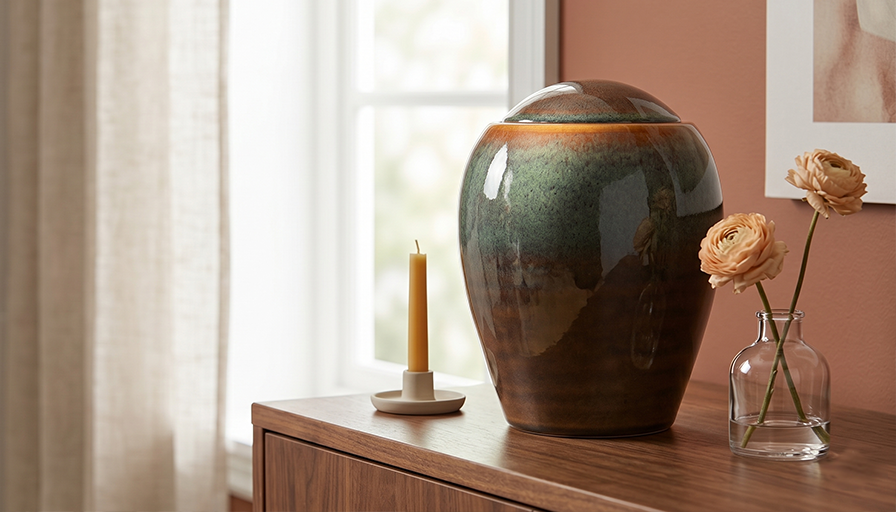
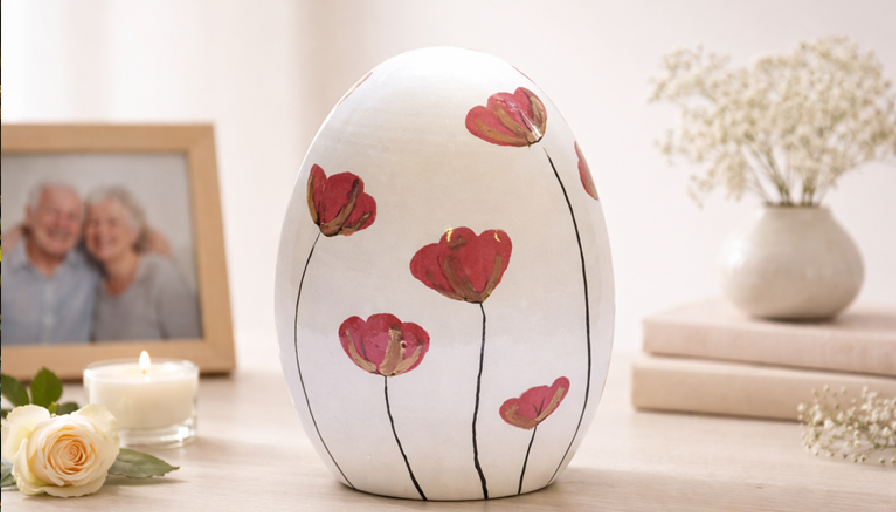
Ceramic cremation urns are often chosen because they offer something many families want at the same time: dignity, warmth, visual beauty, and a sense of permanence. They can feel more personal than purely functional materials, and they often sit naturally in the home as part of a calm memorial space rather than as an object that draws unwanted attention.
7 Things Most People Only Learn Too Late About Cremation Urns
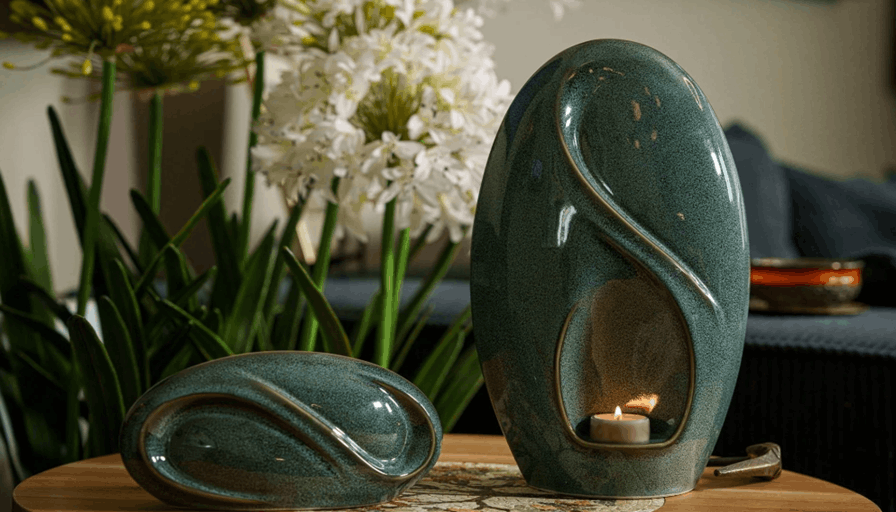
Most people assume choosing a cremation urn is a straightforward practical step, until they realise how many decisions are tied to it. Size, purpose, timing, material, and even the question of whether ashes should stay together or be shared can all make the choice more complex than expected. Understanding these details earlier can help families avoid unnecessary pressure and make decisions that feel calmer, clearer, and more appropriate.
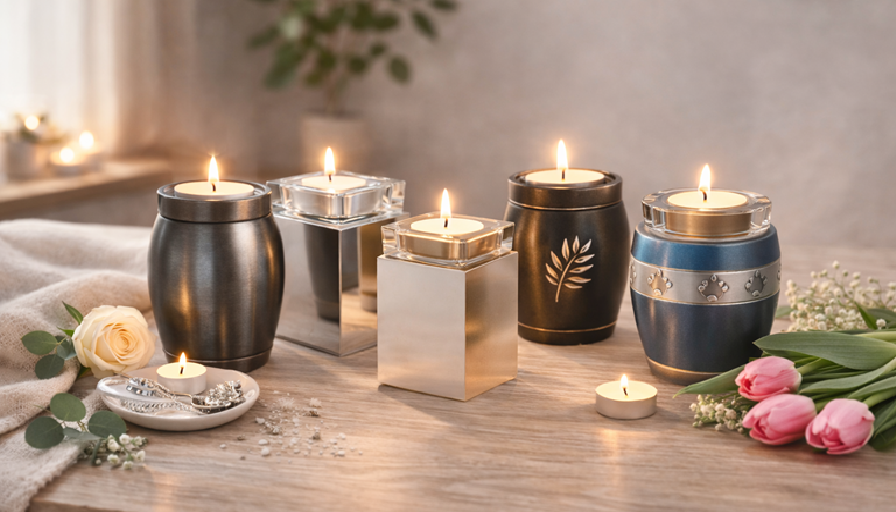
A Flame That Brings Them Close: Why Candle Rituals Still Matter After Loss
In a time when families are often spread across cities, countries, and even continents, grief is increasingly lived at home, quietly, and in fragments. One of the simplest rituals, lighting a candle, is also one of the most durable: a small flame that creates a clear moment of remembrance, whether you are alone in a bedroom in Manchester or sitting at a kitchen table in Ohio. For many people, it is not about religion, but about structure, presence, and a place to return to, especially when ashes, keepsakes, and memories are shared across more than one household.
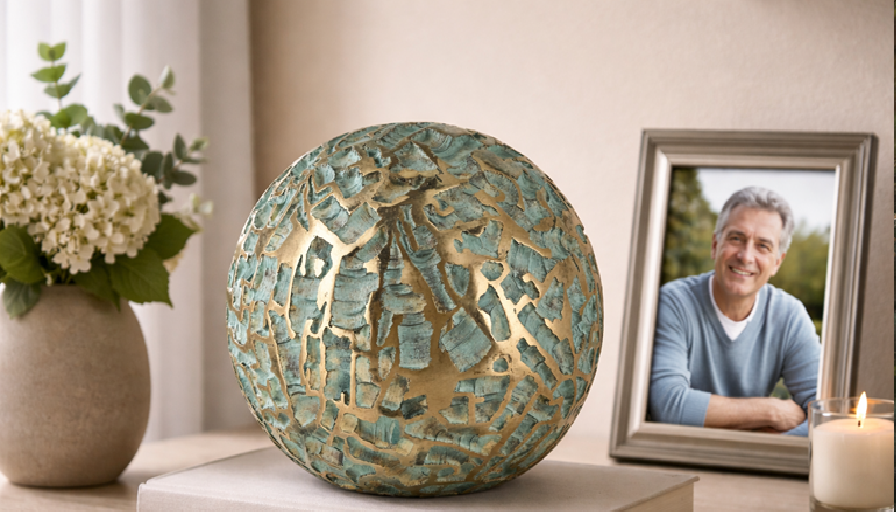
Handmade Cremation Urns for Fathers, Practical Guidance
Choosing a cremation urn for a father is rarely a purely practical decision. Families often look for something that feels solid, personal, and materially honest, not mass produced or decorative for its own sake. Handmade cremation urns answer that need by combining craftsmanship, material character, and functional reliability. From hand turned wood to kiln fired ceramic and carved stone, each handmade urn carries visible human effort. That difference helps families select a memorial that reflects personality, values and everyday presence, while still meeting size, placement and durability requirements.
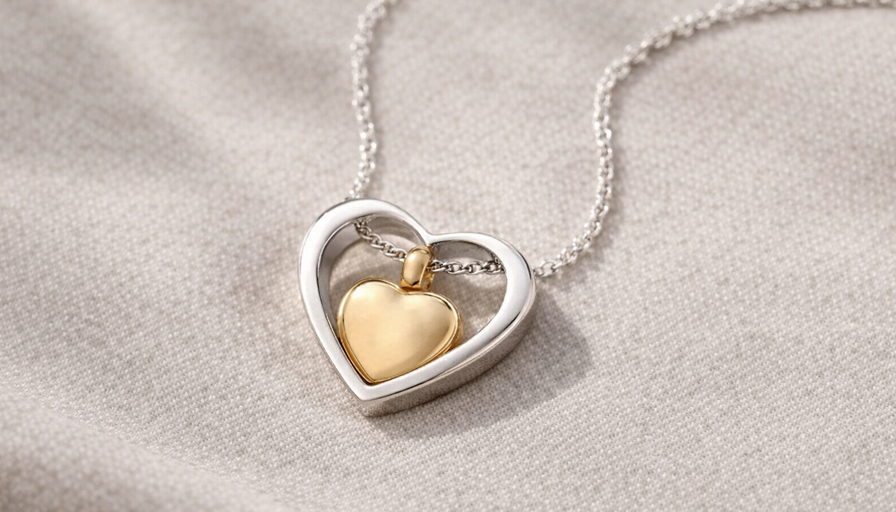
Dividing ashes after cremation in Ireland
When families in Ireland are faced with decisions about cremation ashes, questions often arise about what is possible, what feels respectful and how to proceed without rushing. Dividing ashes after cremation can allow different wishes to be honoured at the same time: some ashes may be kept in a main urn, some may be placed in keepsake urns or ashes jewellery, and some may later be scattered or buried. This Ireland guide explains the practical choices, family communication and careful transfer of ashes through a funeral director or crematorium.
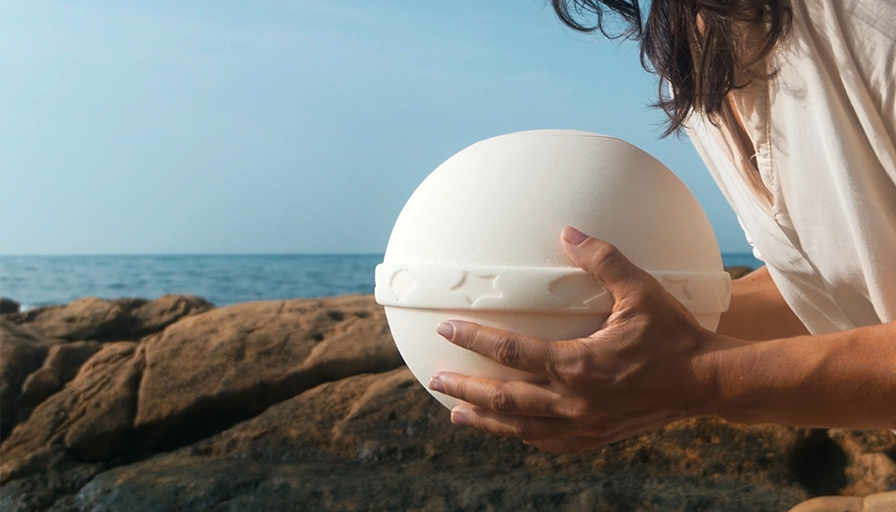
What’s the Difference Between Biodegradable Urns and Traditional Cremation Urns?
Choosing an urn is a deeply personal decision—one that reflects not only how we wish to remember a loved one, but also our values, beliefs, and connection to the world around us. In today’s evolving memorial landscape, families are increasingly faced with a meaningful choice: a traditional urn made from enduring materials, or a biodegradable urn designed to return gracefully to nature. While both serve to honor and hold the ashes of someone dear, they differ significantly in purpose, material, symbolism, and environmental impact. This article explores those differences in depth, helping you make a choice that feels right—whether you seek lasting remembrance or a gentle return to the earth.
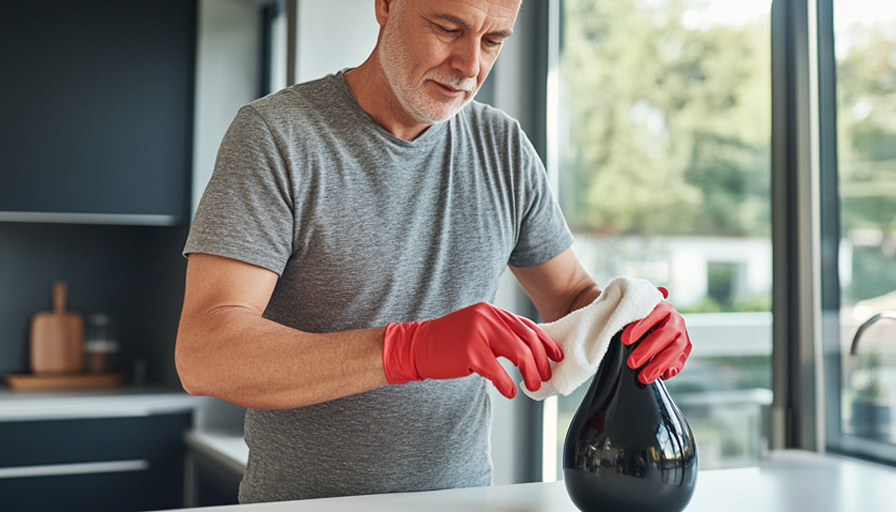
How to Clean and Maintain a Cremation Urn
Cremation urns are more than decorative containers. They hold treasured memories and deep emotional significance. Whether your urn is made of bronze, ceramic, wood, glass, natural stone or stainless steel, gentle care helps preserve its beauty, finish and dignity. this material-by-material guide explains how to clean and maintain cremation urns, what products to avoid, and when extra caution is needed. It is especially useful for hand-finished urns, outdoor urns, sealed urns and urns kept in a columbarium, memorial space, garden, cemetery or family home.
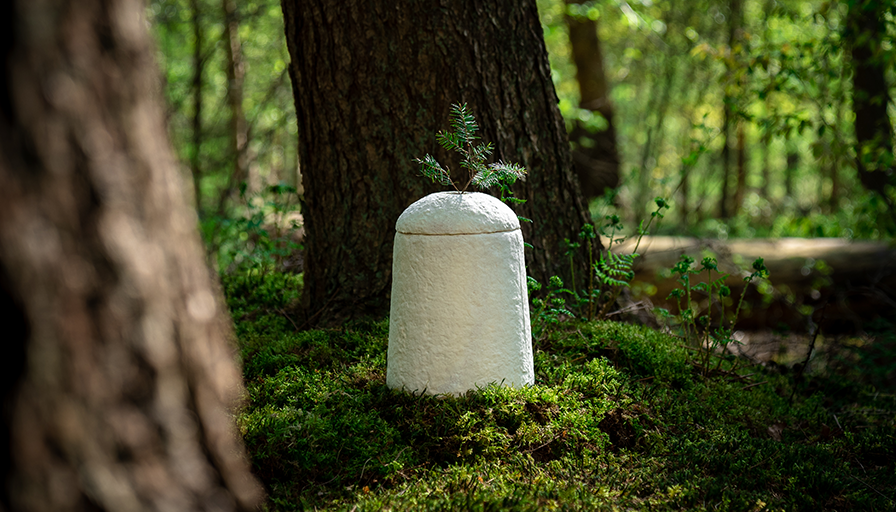
Sustainable Farewells: A New Beginning for People and Nature
More and more people are seeking a way to shape their final resting place in harmony with nature. Instead of traditional coffins and urns, they opt for biodegradable alternatives that enrich the earth rather than burden it. In this article, you’ll discover how sustainable funeral innovations contribute to a greener farewell – one that honours life, even after death.
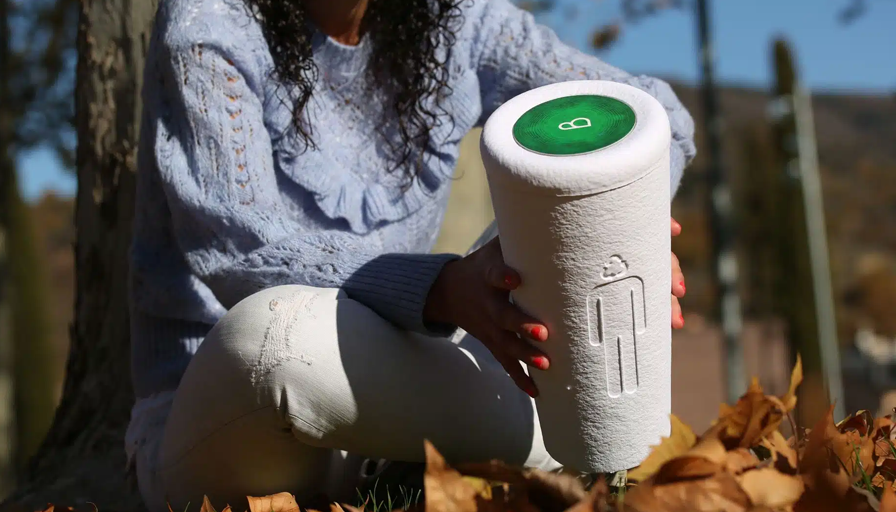
What is the Bios Tree urn? A Sustainable Way to Honour Your Loved One
Discover the Bios urn: a biodegradable urn for ashes that turn into a living memorial, such as a tree or plant. Combining symbolism, sustainability, and personal meaning, it offers a unique alternative to traditional memorial practices.
- Page Previous
- Page 1
- You're currently reading page 2
- Page 3
- Page Next