Answer first: can ashes be divided after cremation in Ireland?
Yes, many families in Ireland divide ashes after cremation. This can make it possible for one part of the ashes to be kept in a main urn, another part to be placed in keepsake urns or ashes jewellery, and another part to be scattered or buried later. Citizens Information explains that ashes are generally available within a day or two after cremation, and arrangements can be made through the funeral director or crematorium.
The practical process can differ, so ask the funeral director or crematorium how the ashes will be released, whether they can help divide them, and which containers are suitable.
Dividing ashes after cremation: what families in Ireland should know
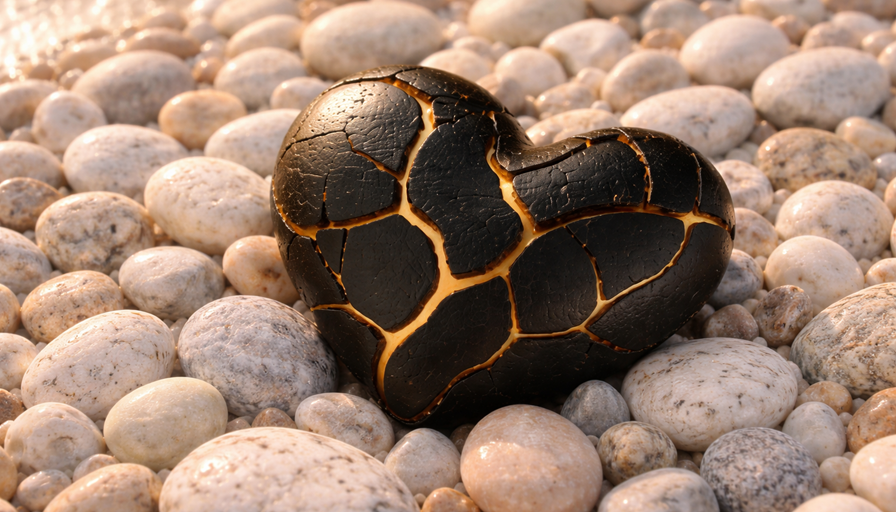
Dividing cremation ashes is a common and practical choice. It can help families honour different wishes without forcing one single decision. One person may want a small keepsake urn, another may choose ashes jewellery, and another may prefer a scattering ceremony or a fixed memorial place.
Some families decide soon after the cremation. Others wait until emotions have settled. Ashes can be kept safely while the family takes time to think, discuss and choose what feels right.
What are cremation ashes?
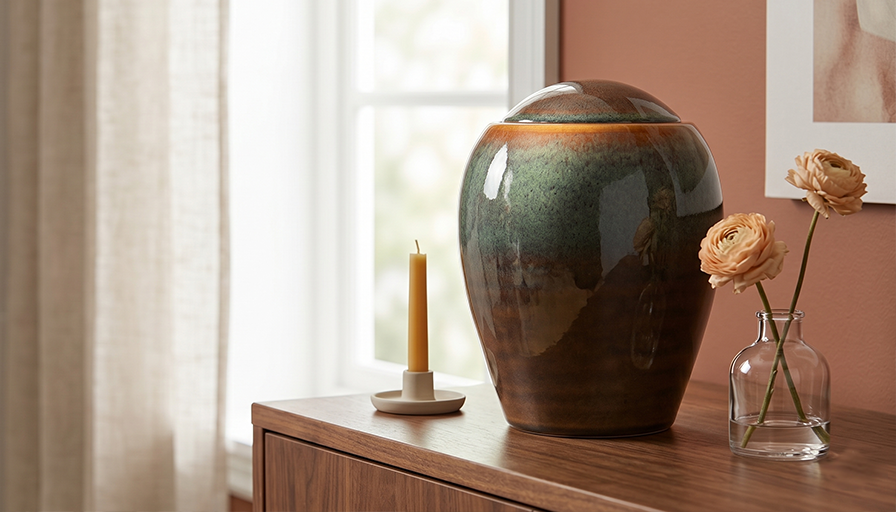
Cremation ashes are processed bone fragments, usually with a granular texture similar to coarse sand. They have weight and volume, which means that urn size and keepsake capacity matter.
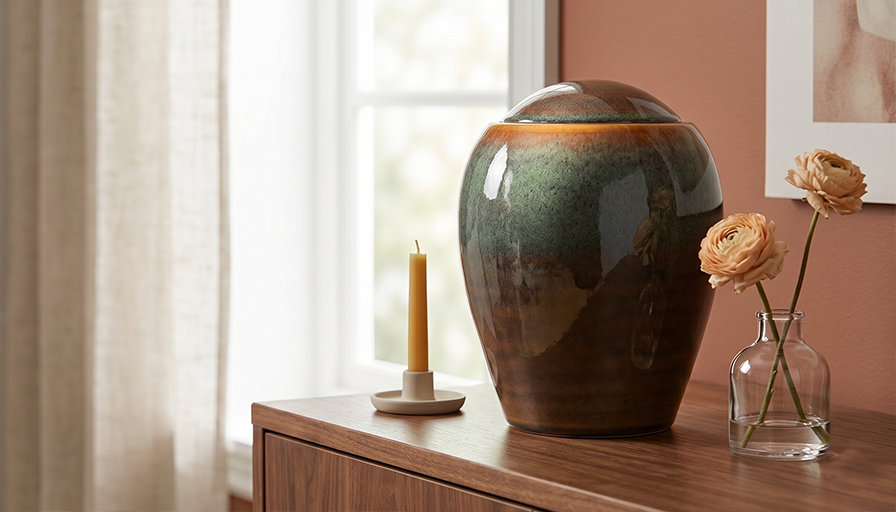
An adult’s ashes are often around 3 to 3.5 litres in volume, although the amount varies. If you are choosing a full-size urn, keepsake urn or ashes jewellery, check the capacity before dividing the ashes. For more guidance, read how much ash is left after cremation and what size urn you need.
Why families choose to divide ashes
Different wishes within one family
It is natural for relatives to grieve and remember in different ways. One person may want the ashes close at home, another may prefer a place in nature, and another may want a small jewellery item. Dividing ashes can allow each person to remember in a way that feels right.
Family members living in different places
Families may live in different parts of Ireland or abroad. A single memorial place is not always easy for everyone to visit. Keepsake urns and ashes jewellery can provide a personal remembrance item for relatives in different locations.
Scattering some and keeping some
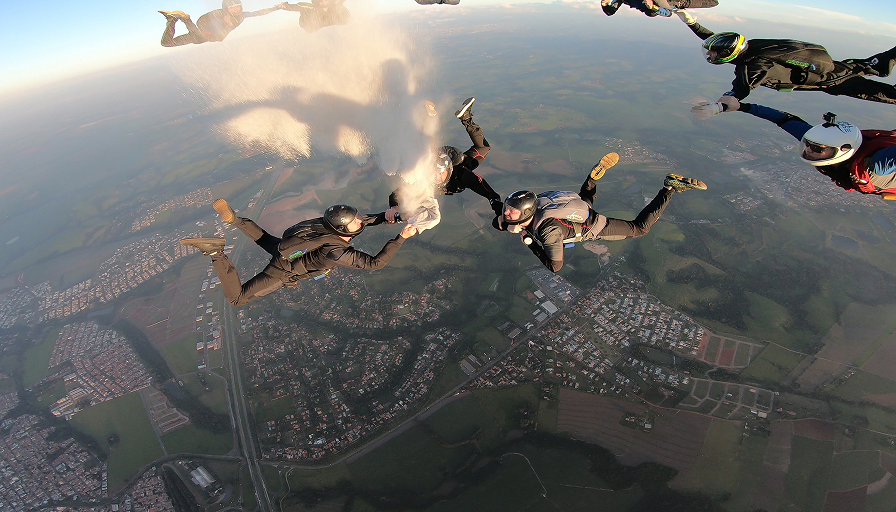
Some families choose to scatter a portion of the ashes and keep a portion in an urn or keepsake. This can be a balanced choice when the person had a favourite place, but the family also wants a lasting memorial at home.
Family communication before ashes are divided
Before dividing ashes, it is wise to speak with the people most closely involved. This may include the person arranging the cremation, close relatives and anyone who was named in the person’s wishes.
Discuss:
- whether the person who died left instructions about their ashes;
- who would like a portion of ashes;
- whether any ashes will be scattered, buried or placed elsewhere;
- which container will hold the main amount;
- whether ashes jewellery or keepsake urns are suitable;
- who will keep a record of where the ashes are kept.
If family members disagree, consider pausing the decision. Keeping the ashes safely in one container for a while can give everyone time to reflect.
Can the funeral director or crematorium divide ashes?
In Ireland, arrangements after cremation are usually handled through the funeral director or crematorium. Ask whether they can divide the ashes into separate containers, fill a main urn, or prepare small portions for keepsake urns or ashes jewellery.
It is best to ask before collection or before the memorial service. This gives the funeral director or crematorium time to explain the process, any costs and what containers are needed.
How to divide ashes carefully
If you divide ashes yourself, choose a clean, quiet indoor space. Avoid draughts, open windows and fans. Place a large sheet of paper or a clean cloth under the containers, and use a small scoop, spoon or funnel.
Before starting, decide how many portions are needed and which items require only a symbolic amount. Ashes jewellery usually needs very little. Keepsake urns can vary widely in capacity.
Seal each item carefully and follow product instructions. If you are unsure, ask the funeral director, crematorium or product specialist for help.
Keepsake urns for sharing ashes
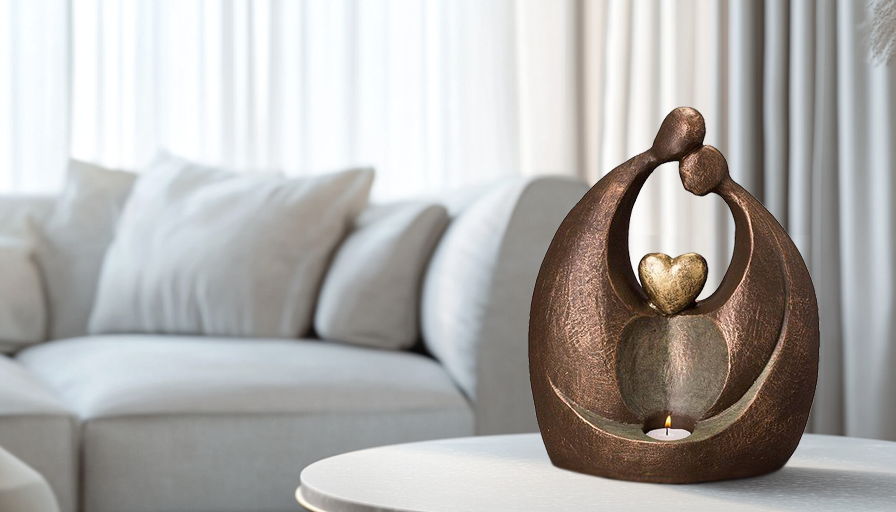
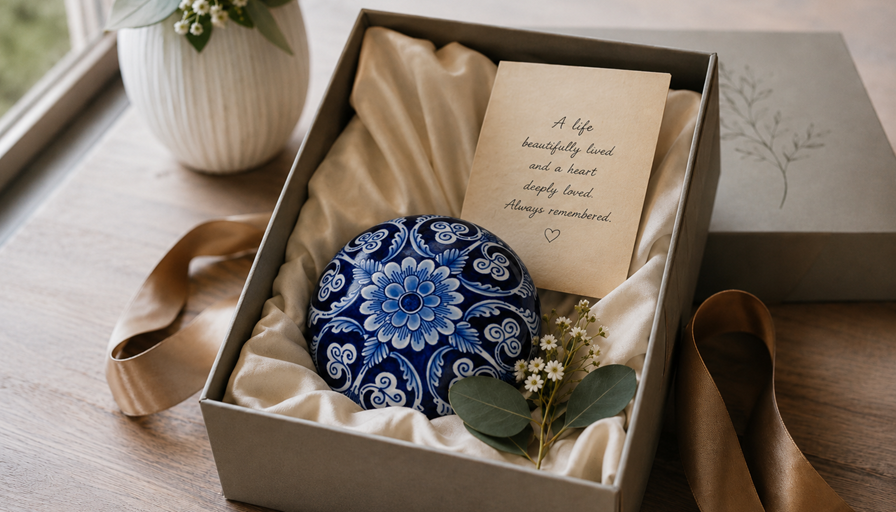
Keepsake urns are designed to hold a smaller portion of ashes. They are often chosen when several family members want a memorial item, or when part of the ashes will be scattered and part kept.
Some families choose matching keepsakes. Others prefer different styles that reflect each person’s relationship with the person who has died. The most important point is to check the capacity before dividing the ashes.
Ashes jewellery: a small symbolic amount
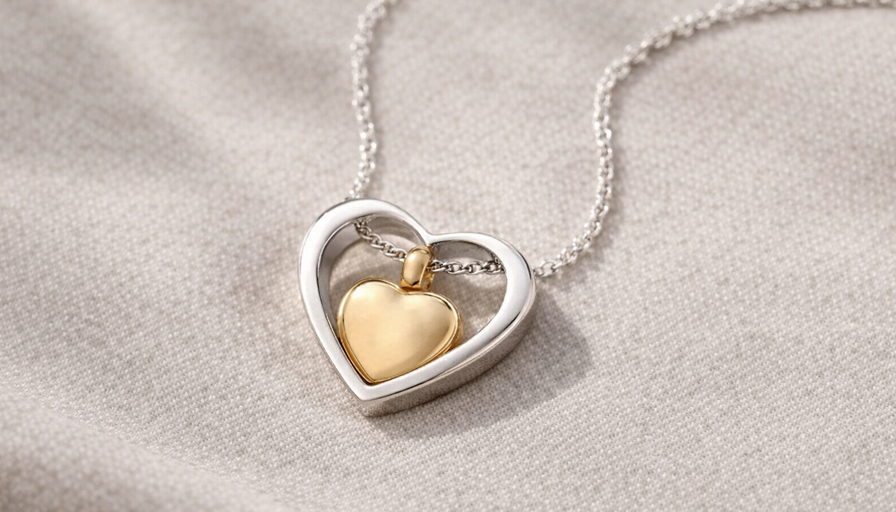
Ashes jewellery usually holds a very small symbolic amount of ashes in a pendant, bracelet, ring or charm. It is a discreet way to keep someone close, especially when a large urn at home does not feel right for everyone.
Because the opening is small, ashes jewellery should be filled carefully. Some families prefer to ask a funeral director or specialist to help with this.
Scattering some ashes and keeping some
Scattering does not need to involve all the ashes. A portion can be scattered in a meaningful place while another portion is kept in a main urn, keepsake urn or ashes jewellery item.
In Ireland, always check the chosen location and any relevant permission or local procedure before scattering or burying ashes. A funeral director, crematorium, local authority, cemetery, landowner or site manager may be able to advise. For more information, read our guide to scattering ashes in Ireland.
Northern Ireland note
If the cremation or ash destination relates to Northern Ireland, check local UK/Northern Ireland procedures. Funeral director, crematorium, cemetery, council or churchyard requirements may differ from the Republic of Ireland.
Common mistakes to avoid
Making decisions too quickly
There is no need to divide ashes immediately if the family is not ready. Time can help people make calmer decisions.
Not checking container capacity
Keepsake urns and jewellery do not all hold the same amount. Check the capacity before dividing.
Forgetting to keep a record
If ashes are shared between relatives or locations, it can help to keep a simple private record of what has been placed where.
Scattering without checking locally
Always check the location, permission and local procedure before scattering or burying ashes.
A calm conclusion
Dividing ashes after cremation in Ireland can be a gentle way to respect different wishes within a family. It can allow a main urn, keepsake urns, ashes jewellery and scattering to exist alongside one another.
Since 2007, legendURN has helped families choose urns for ashes, keepsake urns, ashes jewellery and memorial products with care and understanding. If you need help choosing a suitable urn or keepsake, visit our advice hub or contact us for personal guidance.
Frequently asked questions about dividing ashes in Ireland
Can ashes be divided after cremation?
Yes, many families divide ashes after cremation. Ask the funeral director or crematorium how this can be done and whether they can help.
When are ashes available after cremation in Ireland?
Citizens Information explains that ashes are generally available within a day or two after cremation. Arrangements can be made through the funeral director or crematorium.
How much ash is needed for ashes jewellery?
Ashes jewellery usually needs only a small symbolic amount. The exact amount depends on the design.
Can some ashes be scattered and some kept?
Yes. Many families scatter part of the ashes and keep another part in an urn, keepsake urn or jewellery item.
What if arrangements are in Northern Ireland?
Check local UK/Northern Ireland procedures with the funeral director, crematorium, cemetery, council or relevant authority.