
The Meaning Behind the Quiet
A Closer Look at the Moment of Silence Tradition
Grief has a way of slowing the world down. When someone we love dies, the noise of everyday life suddenly feels out of place, almost intrusive. In those moments, silence becomes something different. It becomes a language on its own, a space where people gather their feelings, honour a life and acknowledge the weight of loss.
This is the heart of the moment of silence tradition, a simple practice that carries profound meaning.
Many people encounter a moment of silence at funerals, memorial services, community gatherings or events held in remembrance of a loved one. Even though the gesture is brief and appears uncomplicated, the stillness can hold more emotion than words sometimes can. It is a pause that invites reflection and connection and, for many, it becomes a turning point in how they process grief.
Understanding why this tradition exists, and how you can shape it can help you feel more grounded during a time when everything else may feel uncertain.
Why Silence Speaks So Strongly in Times of Loss
Silence has always carried symbolic power. It can express respect, grief, longing and love without forcing anyone to articulate emotions they may not yet have the words for.
When people gather to honour someone who has passed, the silence becomes a shared emotional space. Everyone in the room, whether they knew the person deeply or only slightly, participates in the same quiet moment.
Unlike spoken tributes or ceremonial readings, silence allows each individual to have a personal experience:
- One person may recall a small, comforting memory.
- Another may silently say a goodbye they never had the chance to speak out loud.
- Someone else may simply breathe and feel the presence of others supporting them.
The absence of sound makes room for presence. It creates an opening where people can connect with their own emotions while also feeling the collective support of those around them.
Is a Moment of Silence a Prayer?
A moment of silence is not automatically a prayer, although it can be for those who wish it to be.
That is one of the reasons this tradition is so widely used:
- People of faith can quietly pray.
- Others may reflect, remember, or simply sit with their feelings.
- Those who do not connect with religious language can still fully participate.
Because there are no prescribed words, beliefs or gestures, a moment of silence is naturally inclusive. Each person decides what the silence means for them.
Where the Tradition Comes From
Although moments of silence are used in many settings, they are closely tied to mourning and remembrance. In different cultures and historical periods, communities have paused their daily routines to honour the dead or mark a tragic event.
Over time, this practice became a recognised part of memorials and funerals:
- Towns and cities pausing after disasters.
- Communities standing still to remember victims of war or accidents.
- Schools or workplaces holding a brief silence after losing a student or colleague.
The beauty of the tradition is its simplicity. There is no right or wrong way to join. There are no formal requirements, no need to “perform” anything. People simply pause and let the quiet moment mean what it needs to mean for them.
When and Where a Moment of Silence Is Used
Most people think of a moment of silence as something that happens during a funeral service, but it can appear in many different situations:
- Funerals and memorial services: often after a eulogy, poem or piece of music.
- Celebration-of-life gatherings: as a soft counterpoint to sharing stories and laughter.
- Public memorials or vigils: when a community grieves together after a tragedy.
- Workplaces or schools: when a team, class or organisation has lost someone.
- Private remembrance: at home, by the grave, near an urn or memorial statue.
In each of these settings, the silence creates a small island of calm in an emotionally charged moment.
Why Moments of Silence Are Common at Funerals and Memorials
Funerals and memorial gatherings are often filled with words; prayers, eulogies, stories and expressions of sympathy. Each of these is meaningful, but words can only go so far. Many grieving individuals describe feeling overwhelmed during services, unsure of how to process everything happening around them.
This is where a moment of silence becomes a stabilising force.
- It gives structure to a moment that otherwise may feel chaotic.
- It creates a pause in the ceremony where no one needs to speak or react.
- People can bow their heads, close their eyes, look at a photo, or simply sit still.
For families, the moment of silence also signals respect for the person who has passed. It acknowledges that their life mattered and that their absence is significant. In many ways, the silence becomes a communal act of love.
Where in the Ceremony Should the Silence Take Place?
There are no strict rules, but some natural places in a service include:
- At the beginning, to gather everyone and mark the transition from everyday life into a space of remembrance.
- After a eulogy or personal speech, so people can let the words sink in.
- After a song or piece of music, when emotions are already close to the surface.
- At the end of the service, just before the final farewell, the closing of the coffin, or the placing of an urn.
You may choose one moment of silence, or more than one, depending on what feels right for your family and the flow of the ceremony.
How Long Should a Moment of Silence Last?
A moment of silence does not need to be long to be meaningful. Often, one minute is enough. As a general guideline:
- Around 30 seconds: for very small, informal gatherings or when people may feel uncomfortable with prolonged silence.
- About one minute: the most common choice for funerals and memorials.
- Up to two minutes: often used on national days of remembrance or large public ceremonies.
What matters most is not the exact number of seconds, but that the pause feels intentional rather than rushed.
Letting people know in advance how long the silence will last can make it feel safer, especially for those who are very anxious or sensitive to silence.
How to Lead a Moment of Silence
Many people feel nervous about “doing it right”. The truth is, there is no perfect way, only a caring one. A simple structure can help:
- Prepare the group
Briefly let people know a moment of silence is coming:
“In a moment, we will take a short moment of silence to remember [Name] together.” - Name the purpose
Explain why you are pausing:
“This is our time to think of [Name] in our own way, through prayer, reflection or simply being quiet together.” - Offer a clear start
You can say something like:
“We’ll begin our moment of silence now.”
Some families use a soft sound, such as a bell or a single piano note, to mark the beginning. - Hold the silence
Stay quiet for the chosen time. It can help if the person leading lowers their head or looks at a photo, so others know the silence is still ongoing. - End gently
Close the moment in a warm way:
“Thank you. Your presence and your silence are a beautiful way to honour [Name].”
Then guide people to the next part of the ceremony.
These steps can be adapted to any setting, from a small gathering at home to a large public service.
What Is Expected from Guests?
Many people worry about “proper behaviour” during a moment of silence, especially if they have not attended many funerals. The expectations are usually simple:
- Keep phones on silent and avoid talking.
- Standing is common, but sitting is just as respectful, especially for older guests or those with health issues.
- Hats are often removed indoors, depending on cultural or religious custom.
- It is perfectly okay to cry. Tears, quiet sobbing or taking someone’s hand are natural, human responses to grief.
- If you arrive late and walk in during a moment of silence, pause quietly where you are until it ends.
The purpose is not perfection, but shared respect.
The Emotional Impact of the Quiet
A moment of silence often brings out emotions people may not expect. Some feel a sense of peace settle over them. Others feel waves of sadness, gratitude or longing. For some, it becomes the first real moment they allow themselves to cry.
These reactions are natural. Silence removes distraction. It gives emotions room to rise to the surface, and for many grieving families, this can be incredibly healing.
People may think about:
- The person’s voice, smile or habits.
- The love they shared, or the conflicts that were never fully resolved.
- The fragility of life and the value of the relationships that remain.
In grief, these moments of stillness can be grounding. They remind people that they are not alone and that others are honouring the same life alongside them.
How a Moment of Silence Supports Healing
Healing after a loss is not a simple or linear process. Some days feel manageable, others feel heavy. Rituals like the moment of silence help give shape to the early stages of mourning.
This simple gesture can:
- Offer emotional permission
People often feel unsure how to express grief, especially in public. Silence creates a safe place where emotions can exist without explanation. - Provide collective support
Grief can be deeply isolating, yet a moment of silence brings people together in a shared act of remembrance. - Create time for personal connection
Even in a group setting, each person can connect with their own memories and feelings. - Gently slow the pace of the ceremony
Services can feel rushed or tightly structured; a quiet pause softens the emotional intensity. - Honour the significance of the life lost
The pause acknowledges that someone important is gone and deserves to be remembered.
The quiet may last only a short time, but its meaning can linger long after.
Adding Simple Rituals Around the Silence
You do not need anything extra to make a moment of silence meaningful, but small gestures can help some families feel more connected:
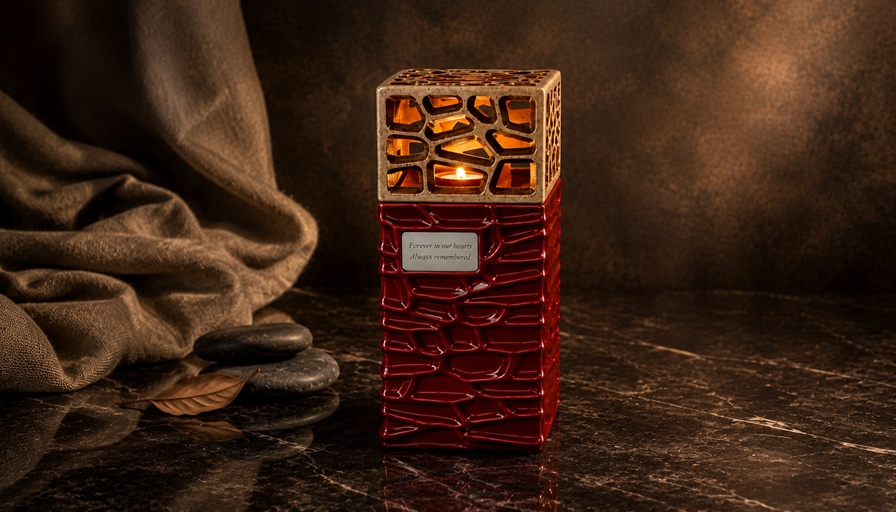
- Lighting a candle before the silence and leaving it burning by the cremation urn or casket.
- Placing a flower, photo or small object near a memorial statue or keepsake.
- Holding a piece of cremation jewelry in your hand while you remember.
- Playing a soft instrumental note or chime at the beginning and end.
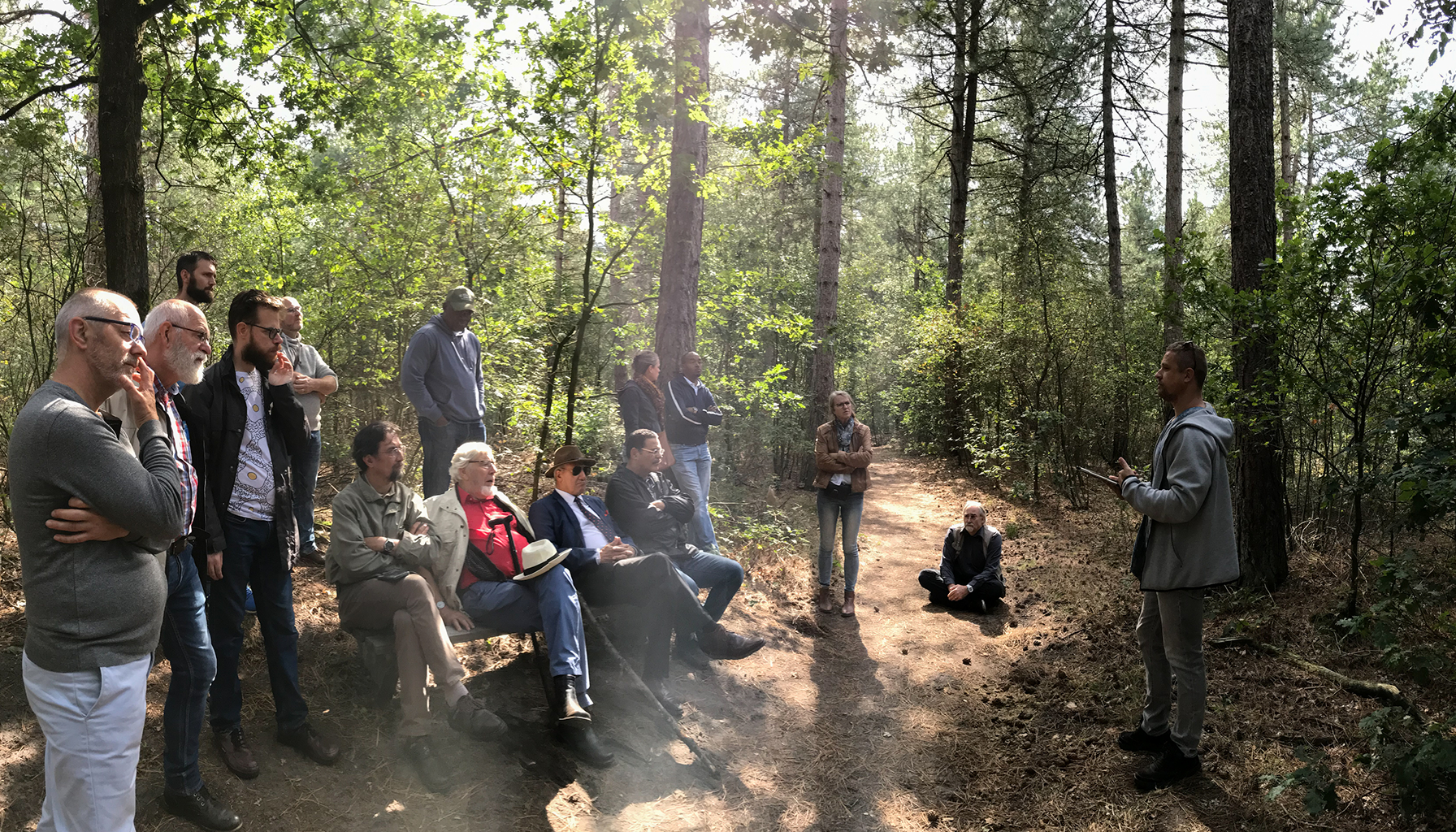
- Showing a simple image, such as a candle or landscape, during a livestreamed service.
These small actions can make the silence feel more tangible, especially for younger guests or people who are unfamiliar with funeral rituals.
Moments of Silence in Outdoor and Online Services
Today, many services take place outdoors or are streamed online so that distant friends and family can participate.
Outdoors, you may need to account for:
- Wind, traffic or background noise.
- Making sure people can hear the announcement clearly.
- Using visual cues, such as everyone standing and bowing their heads, to show when the silence begins and ends.
Online or hybrid services can still include a powerful moment of silence:
- Ask participants to mute their microphones.
- Tell them clearly when the silence starts and how long it will last.
- Show a simple slide or image during the quiet minute.
- Ring a bell tone or say “thank you” to mark the end.
Even when people are in different places, sharing the same silence at the same time can create a strong sense of connection.
Short Questions You May Have
Can we have more than one moment of silence during a service?
Yes. Some families choose a brief silence early on and a second, slightly longer one near the end. The key is that each pause feels intentional.
Is it okay if there is soft music during the silence?
Traditionally, a moment of silence is completely quiet, but some families feel more comfortable with very soft background music. Do what feels right for you and your loved one.
What if there are children present?
Children do not have to be perfectly still. You might explain in simple words:
“We are going to be very quiet for a short time to think about [Name] and send them our love.”
A short silence is usually enough for young children.
What if someone becomes very emotional?
That is okay. A moment of silence often brings feelings closer to the surface. Offering tissues, a hand to hold or simply allowing the emotion to be there is an act of kindness, not a disruption.
Why This Tradition Still Matters
In a world filled with noise, silence stands out. It touches something deeper than words can reach. When grief enters someone’s life, everything changes, and the quiet becomes a place where memories, emotions and love can coexist.
That is why the moment of silence tradition continues to endure. It is universal, heartfelt and timeless. Whether observed at a funeral, a memorial gathering or a simple private moment alone at home by an urn or memorial object, the silence can help people honour the one they lost while finding a small measure of peace for themselves.
If you are planning a funeral or memorial and are unsure how to include a moment of silence, you do not have to figure it out alone.
If you have any questions, comments or feel certain information is missing after reading this post, feel free to contact us via the contact form on our website. We are here to think along with you about the ceremony, the memorial items and the quiet moments that can make a farewell feel deeply personal.