General
When the Urn No Longer Feels Like the Right Place
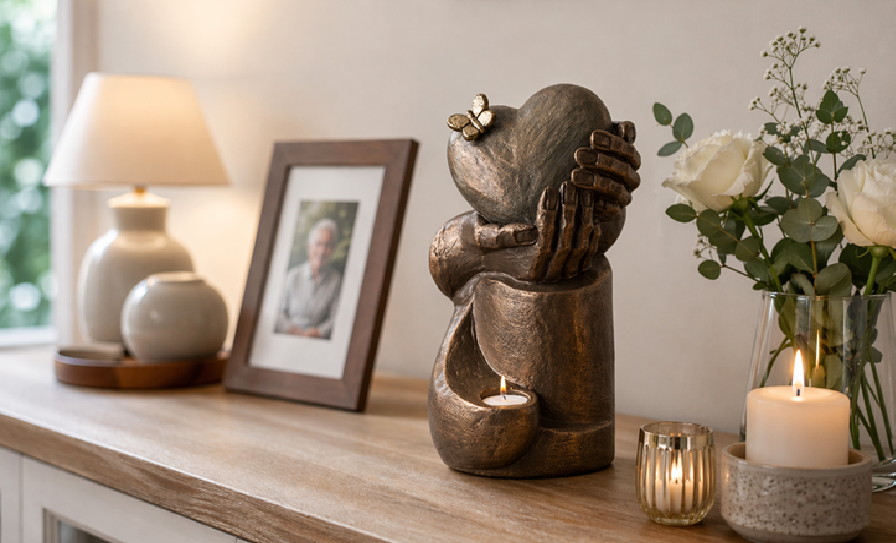
A cremation urn is often chosen at a time when there is little room to think clearly. Only later may it become clear that the urn feels too temporary, too fragile, too visible, or simply not personal enough. Choosing another urn is not a break with the past, but a careful way to keep the ashes more safely, more meaningfully, and with greater dignity.

Seven Meaningful Ways to Scatter Ashes With Care and Intention
Scattering ashes is a deeply personal choice, often shaped by memory, place, and the kind of farewell a family wants to create. Some prefer a quiet moment close to home, while others choose a landscape, shoreline, or destination that carried meaning during life. This guide explores seven thoughtful ways to scatter ashes, with attention to both emotional significance and practical considerations. It is written to help families make a choice that feels fitting, respectful, and manageable.
Why Many Families Choose Ceramic Urns for a Lasting Memorial
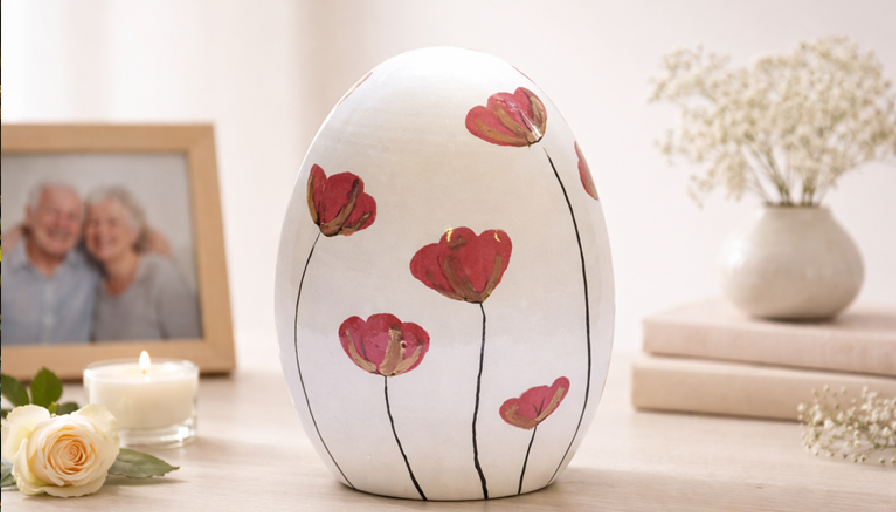
Ceramic cremation urns are often chosen because they offer something many families want at the same time: dignity, warmth, visual beauty, and a sense of permanence. They can feel more personal than purely functional materials, and they often sit naturally in the home as part of a calm memorial space rather than as an object that draws unwanted attention.
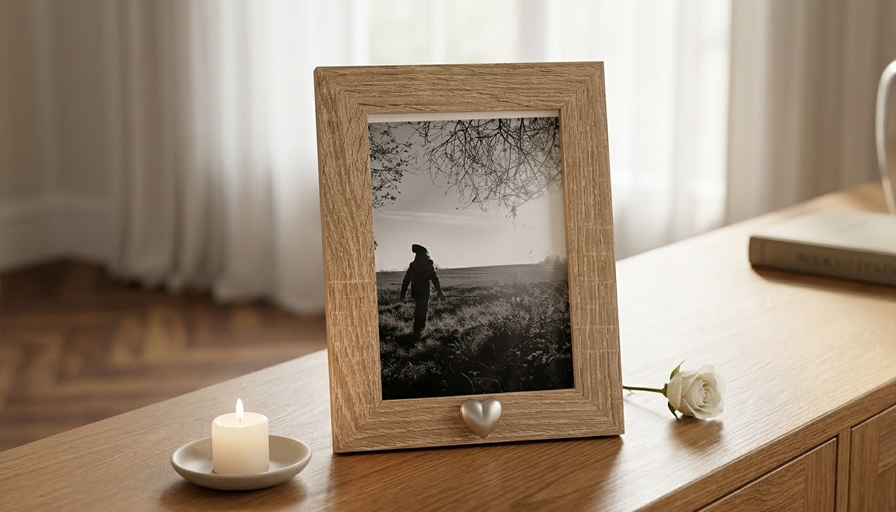
Photo Frame Urns, A Personal Memory on Display
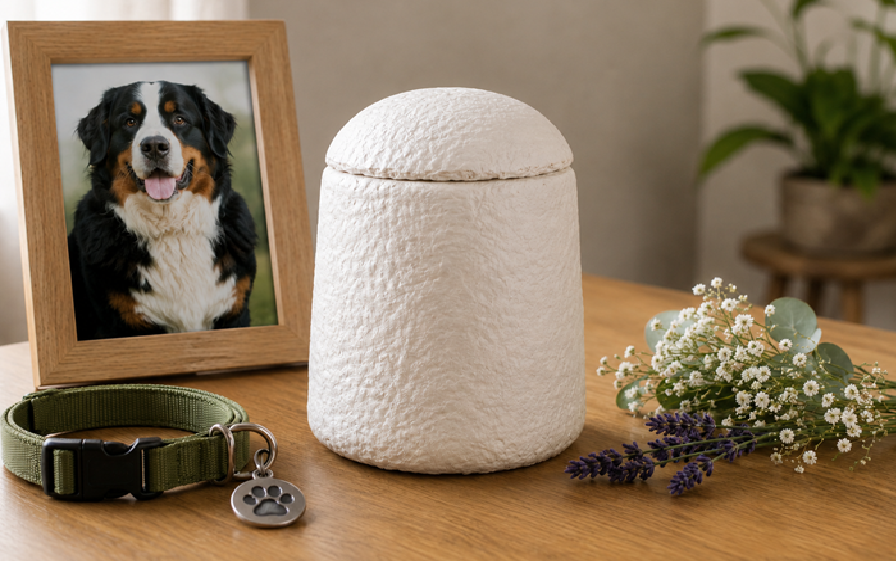
Photo frame cremation urns appeal to many people because they bring image and remembrance together in a natural way. You are not only keeping a small amount of cremation ashes, but also giving a cherished photograph a place in the home. That makes this type of photo frame cremation urn personal, accessible, and comforting. At the same time, that combination also raises new questions. When is a photo frame cremation urn truly the right choice, what should you look at in terms of capacity and size, and does this type of model fit the way you want to remember someone?
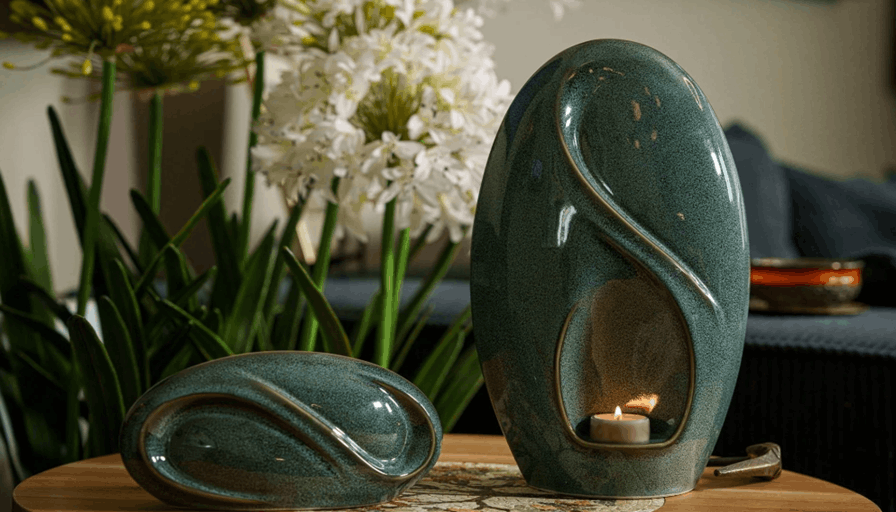
7 Things Most People Only Learn Too Late About Cremation Urns
Most people assume choosing a cremation urn is a straightforward practical step, until they realise how many decisions are tied to it. Size, purpose, timing, material, and even the question of whether ashes should stay together or be shared can all make the choice more complex than expected. Understanding these details earlier can help families avoid unnecessary pressure and make decisions that feel calmer, clearer, and more appropriate.

Funeral Director vs. Mortician: Who Does What When Someone Dies?
In the first hours after a death, families are often forced to make decisions while still trying to process what just happened. That is when unfamiliar titles suddenly appear, funeral director, mortician, sometimes even “undertaker”, and the difference is not always clear. This guide explains who typically handles the planning, paperwork, and support for the family, and who focuses on the practical care of the deceased behind the scenes, so you know what to expect and which questions to ask when it matters most.
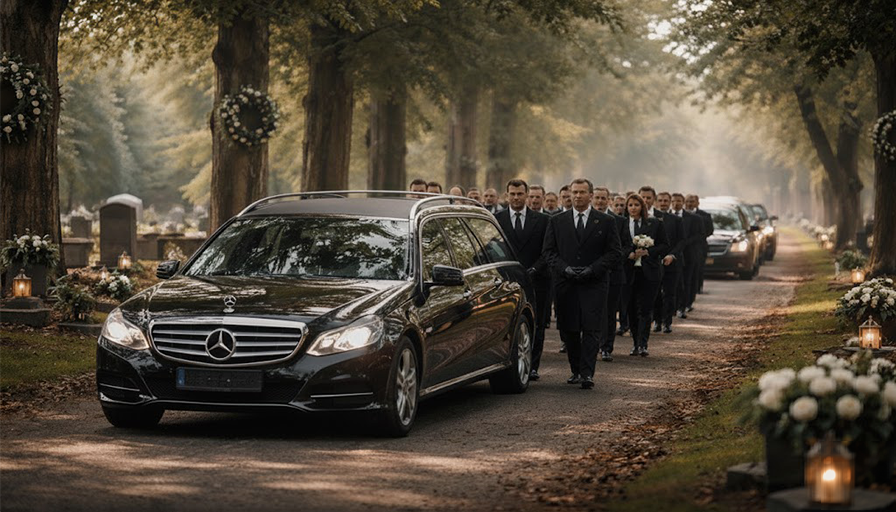
When the Road Falls Silent - Funeral Processions Explained
You notice it in a split second, a line of cars moving more slowly than the rest of traffic, headlights glowing in daylight, no horns, no haste. A funeral procession turns an ordinary road into a moment of shared pause. For grieving families, it is a final journey made together. For everyone else, it is a quiet invitation to slow down, show patience, and acknowledge a life being honored.
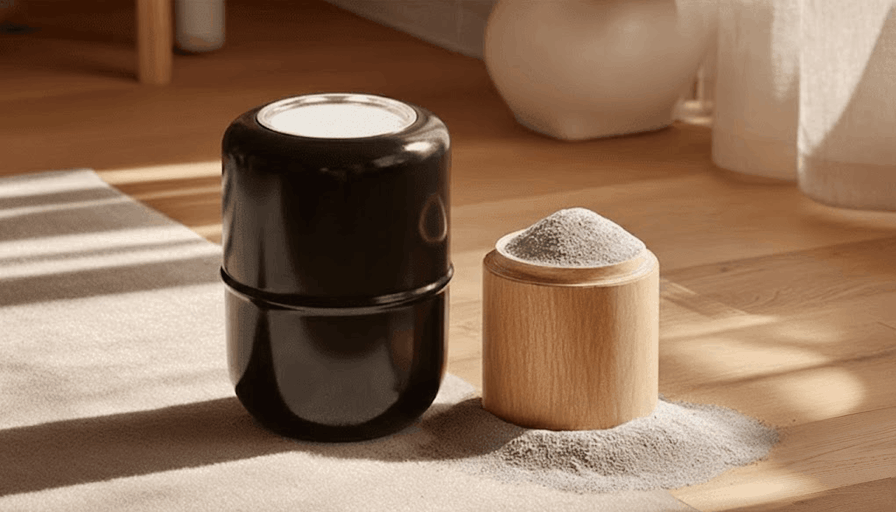
Too Much Ash for the Urn, 6 Options
What begins as a practical choice can suddenly raise a difficult question. The urn has been chosen, the ash has been received, and then it turns out that not everything fits. This is a situation families may encounter unexpectedly. What options are available, what is common practice, and what is best to do or avoid? In this guide, we explain the available solutions so you can make a choice that aligns with your wishes and with the way you want to remember your loved one.
Can Ashes Be Shared? A Guide to Multiple Cremation Urns
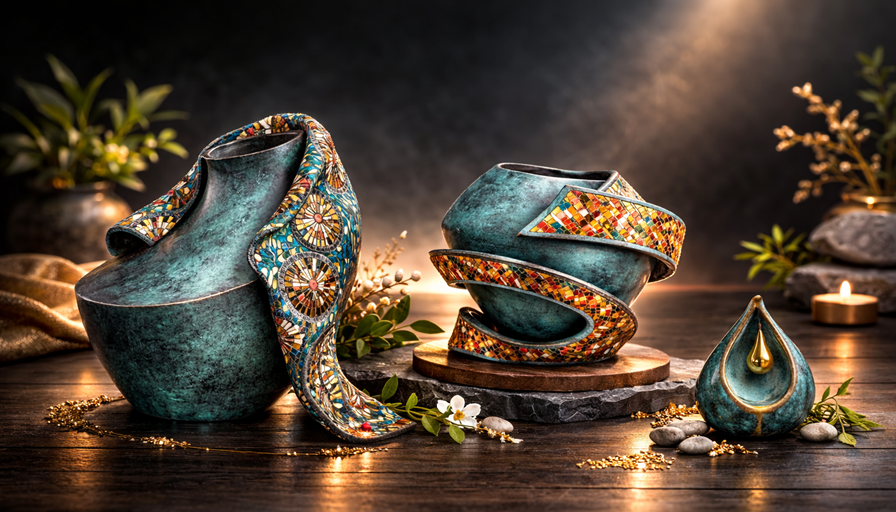
When a family chooses cremation, one of the most immediate questions is what to do with the ashes. For many families in both the United Kingdom and the United States, the answer is not a single urn in one place, but several urns shared among relatives. Multiple urns allow different people to remember, honour, and care for ashes in ways that fit their lives, beliefs, and circumstances. This article explains how sharing ashes works in practice, what types of urns are available, and how families typically make these decisions.
A Flame That Brings Them Close: Why Candle Rituals Still Matter After Loss
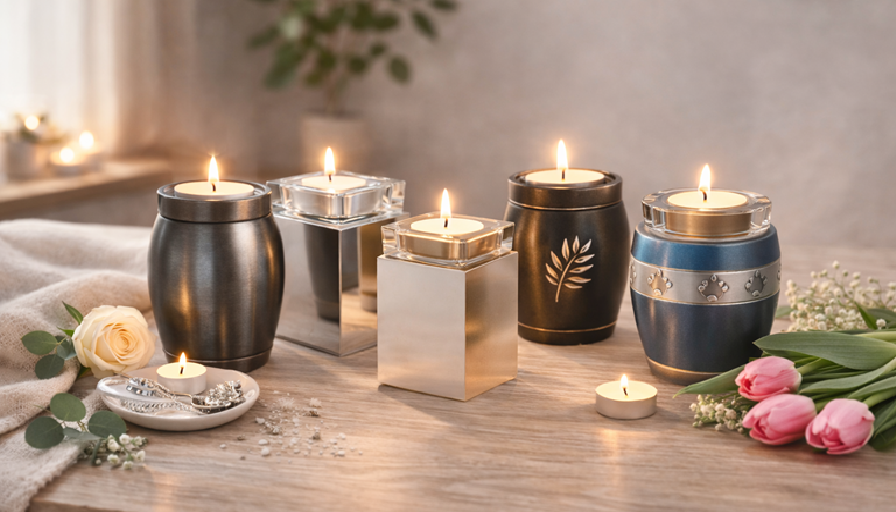
In a time when families are often spread across cities, countries, and even continents, grief is increasingly lived at home, quietly, and in fragments. One of the simplest rituals, lighting a candle, is also one of the most durable: a small flame that creates a clear moment of remembrance, whether you are alone in a bedroom in Manchester or sitting at a kitchen table in Ohio. For many people, it is not about religion, but about structure, presence, and a place to return to, especially when ashes, keepsakes, and memories are shared across more than one household.