General
What Does Cremation Jewellery Cost in the UK? A Practical Price Guide
Cremation jewellery prices in the UK can vary widely, from simple stainless steel pendants to handmade gold, silver or personalised memorial pieces. The difference is not always clear from a photograph alone. Material, craftsmanship, engraving, design complexity, the quality of the ashes compartment and the way the piece is finished all influence the final price. This guide explains what cremation jewellery usually costs in the UK, what you are paying for, and how to choose a piece that offers lasting value without spending more than necessary.
What to Bring to a Grieving Family: Thoughtful Gifts That Offer Comfort
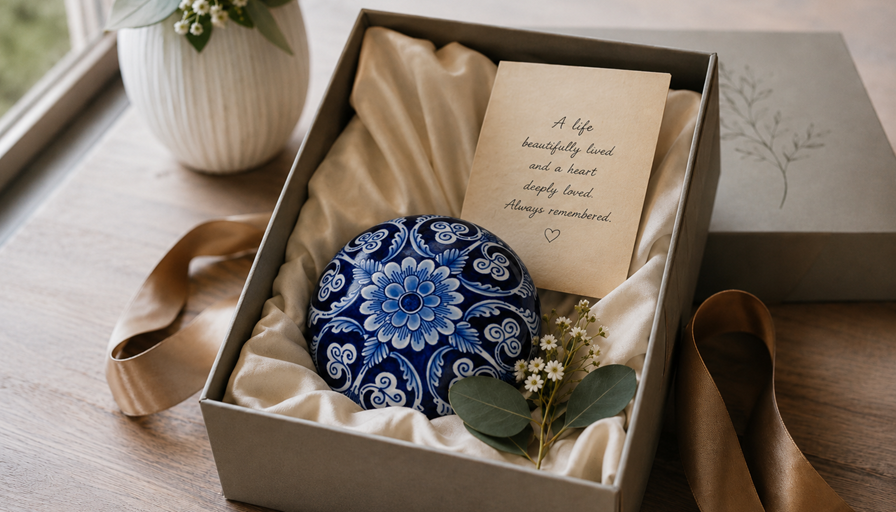
When someone you care about is grieving, it can be difficult to know what to bring, say or do. The most supportive gestures are often not grand or expensive. They are practical, gentle and carefully chosen, a meal that removes one decision, a note that asks nothing in return, or a small remembrance gift that helps keep a loved one’s memory close.

What to Do When a Large Dog Passes Away at Home
When a large dog passes away at home, grief is often accompanied by immediate practical questions. Who should you call, how can you care for your dog before collection, and what is the safest way to move a heavy body? This guide explains the first steps clearly and calmly, from contacting a veterinarian and arranging aftercare to choosing cremation, burial, and a suitable memorial when you are ready.
Heart-Shaped Urns for Ashes: How to Choose a Fitting Memorial
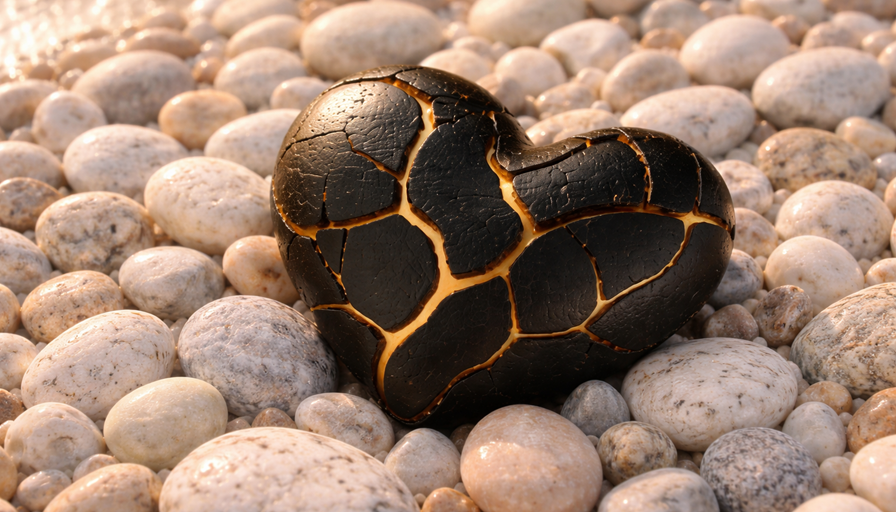
For many families, choosing an urn is not only a practical decision, but also a deeply personal one. A heart-shaped urn offers a gentle way to give love and remembrance a visible place in daily life. Its form is familiar, emotional and easy to understand, while the right material, size and placement help turn it into a memorial that feels calm, dignified and lasting.
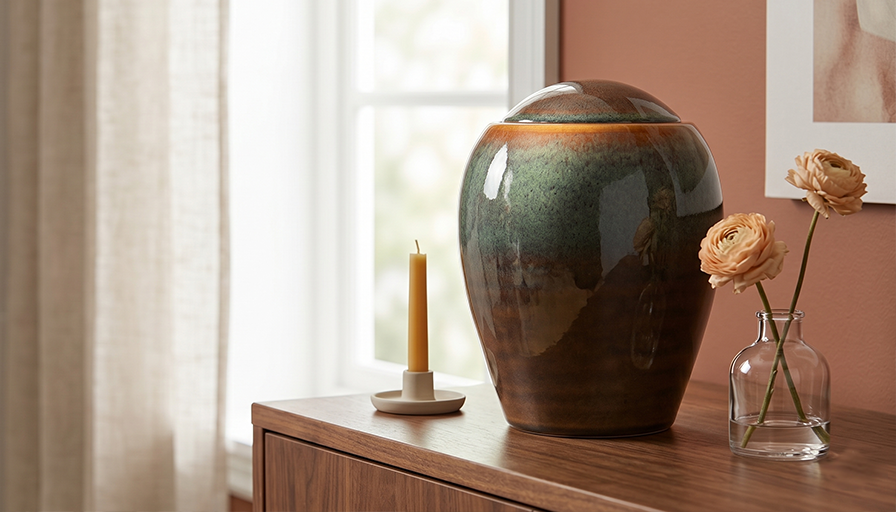
A peaceful place for remembrance at home
For many families in Ireland, keeping ashes at home offers time, closeness and comfort after a cremation. A cremation urn may be placed in a visible spot, such as a shelf or cabinet, or kept more privately in a bedroom, study or quiet corner. The most meaningful place is not always the most formal one. It is the place that feels safe, calm and right for the person being remembered.
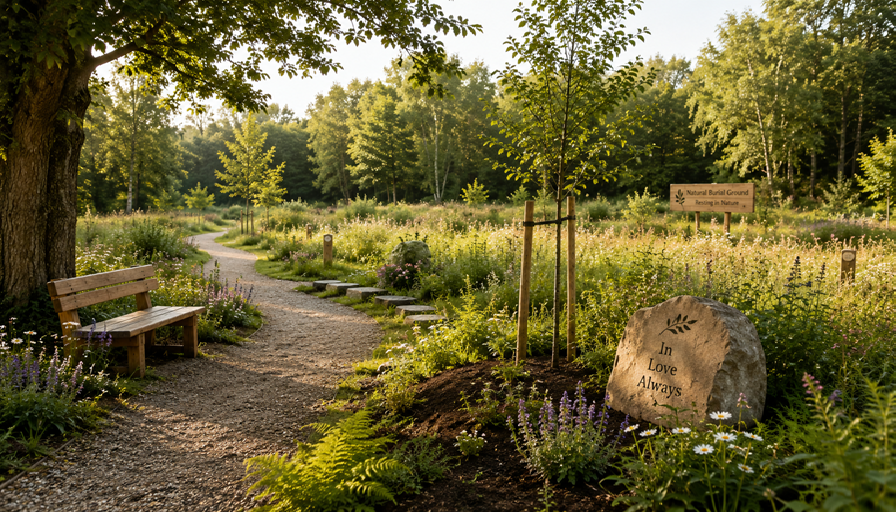
A Gentle Guide to Green Burials: Natural Burial, Biodegradable Urns and Scattering Tubes
Green burials are becoming an increasingly considered option for people who want a farewell that feels simpler, more natural and more mindful of environmental impact. Whether you are planning ahead or making decisions after a loss, understanding what a green burial actually involves can make the process feel more manageable. This guide explains how green burials work in the USA and UK, how they compare with cremation, and when biodegradable urns or scattering tubes may be suitable for a more natural memorial choice.

Scattering ashes in Ireland: what families should know
Scattering a loved one’s ashes is a deeply personal and symbolic gesture. For many families in Ireland, it represents a connection to nature, the sea, a favourite place or the fulfilment of a final wish. The ceremony itself can be simple and intimate, but it is still important to check the practical side: who releases the ashes, where they may be scattered, whether permission is needed and whether a funeral director, crematorium, local authority, landowner or site manager should be consulted first. This guide explains what families in Ireland should know before scattering ashes.
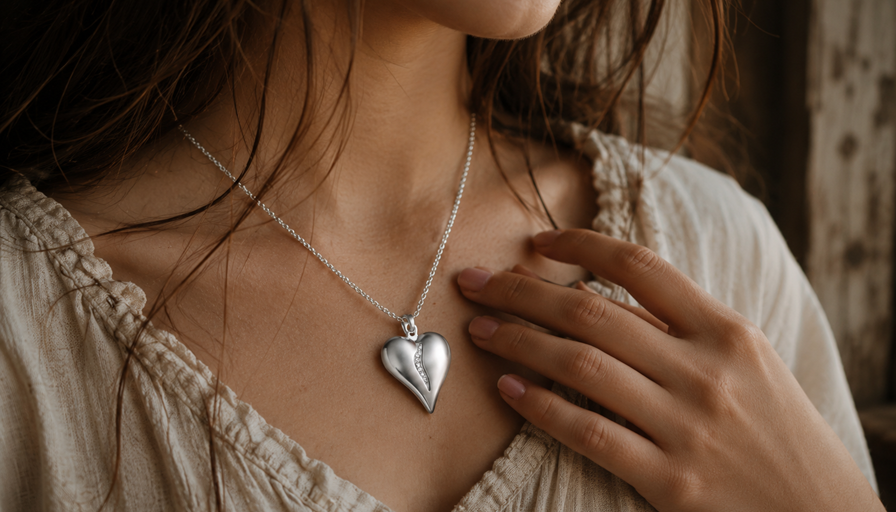
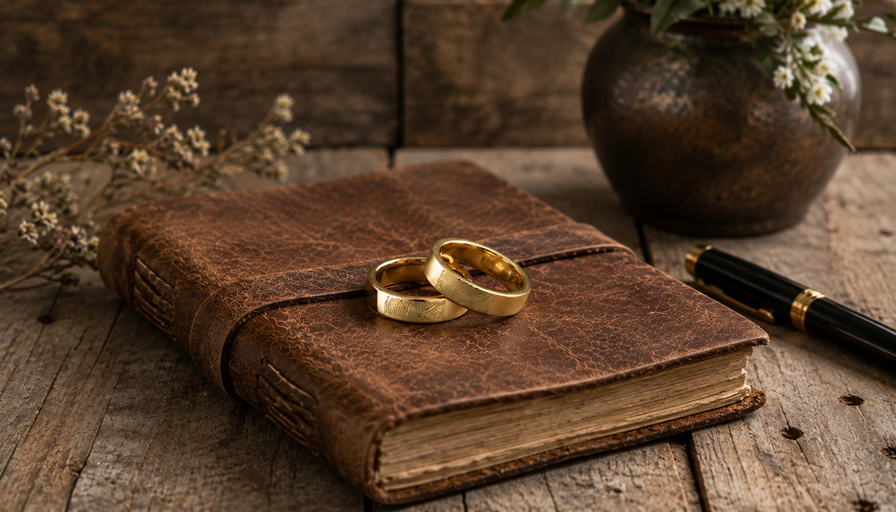
What Happens to Jewellery During Cremation? The Question Many Families Forget to Ask
A wedding ring, necklace or small pendant can hold a lifetime of meaning, but many families only start thinking about jewellery when a cremation is already being arranged. Can it stay with the person? Will it survive the heat? Can it be returned afterwards? In this blog, we explain what usually happens to jewellery during cremation in the UK, why funeral directors often advise removing valuable or sentimental items beforehand, and which questions families should ask before making a final decision.
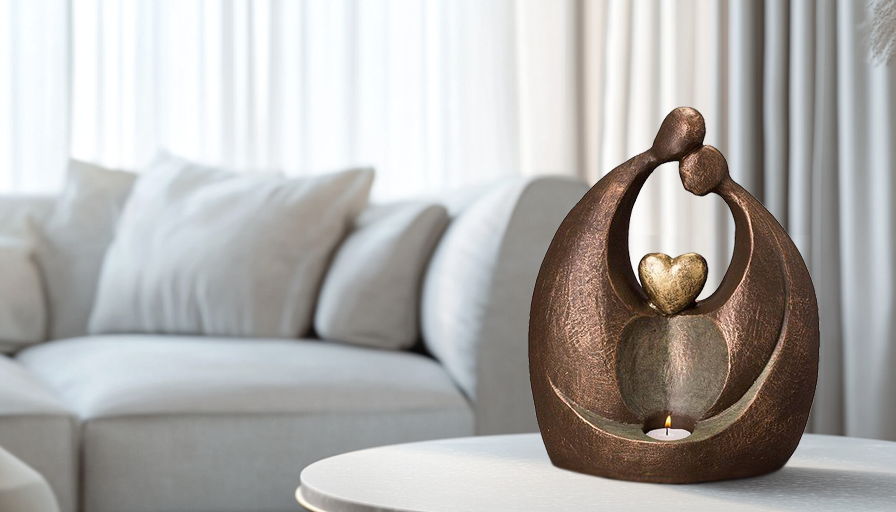
Keeping cremation ashes at home in Ireland
In Ireland, many families choose to keep a loved one’s ashes at home after cremation, either permanently or while they decide on a later place of remembrance. An urn at home can feel personal and comforting, but it is still important to think carefully about family wishes, the chosen urn, future plans and any procedures set by the crematorium, funeral director, cemetery, local authority or place where ashes may later be scattered or buried. If you are in Northern Ireland, UK procedures and local crematorium requirements may differ, so always check locally before making a final decision.
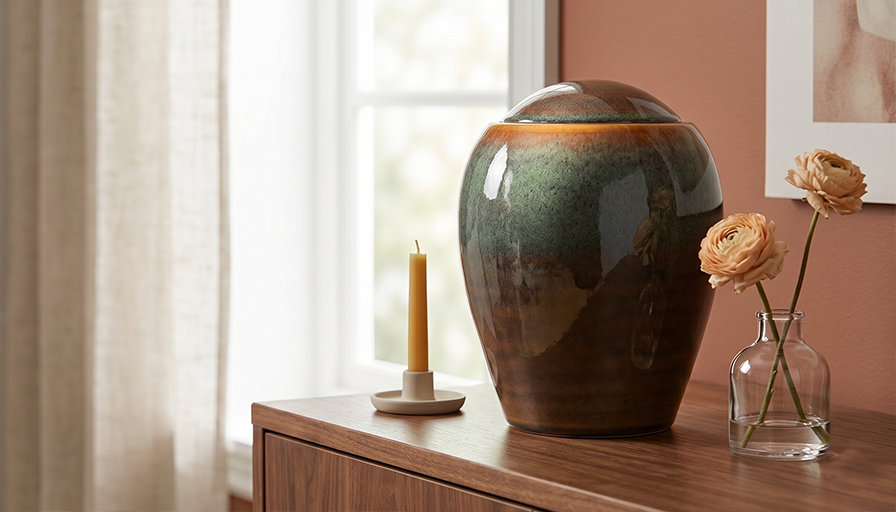
How much does a cremation urn cost in the Ireland?
Anyone looking for a cremation urn soon notices that prices can vary widely. A simple ashes container may cost under €100, while a handmade ceramic, bronze or natural stone urn can cost several hundred euros or more. The difference is usually explained by material, size, finish, personalisation, craftsmanship and where the urn will be kept. In this guide, we explain the average cost of a cremation urn in Ireland, what affects the price and how to compare urns in a calm and practical way.