
How Can Travel Become a Meaningful Tribute?
Travel can become a deeply personal way to remember someone who has passed away. It is not about leaving memories behind, but about allowing them to accompany you in a new setting. Visiting places that mattered to your loved one, travelling to a destination they always hoped to see, or carrying a small memorial keepsake can turn a journey into a quiet and meaningful tribute.
For many families, remembrance is no longer limited to a cemetery, memorial garden or fixed place of mourning. It can also reflect the life, interests and personality of the person being remembered. Travel often fits naturally into that more personal way of honouring a life.
If you are considering travelling as part of your remembrance journey, begin with one simple question: what would best reflect the person you are remembering? The answer can help guide every choice that follows.
Meaningful Ways to Remember Someone Through Travel
- Visit a place your loved one enjoyed.
- Complete a journey they always hoped to make.
- Explore family heritage or ancestral places.
- Carry memorial jewellery or a small keepsake.
- Create a private ritual during the trip.
- Write letters, keep a journal or make a photo book.
- Start a new family remembrance tradition.
- Scatter ashes only where permitted and appropriate.
Why Travel Can Become Part of the Healing Process
Travelling offers something that daily routines often cannot: space. A different environment may make it easier to reflect without the constant reminders of everyday responsibilities. For some people, this distance helps memories feel less painful and more connected to gratitude, shared experiences and the life that was lived.
That does not mean every journey needs to become an emotional pilgrimage. Sometimes the greatest tribute is simply continuing to experience the world with the values your loved one shared. If they encouraged curiosity, family time, nature, culture or adventure, travelling can become a way of carrying those qualities forward.
Many people find that meaningful travel gently shifts the focus from absence to legacy. Rather than asking only what has been lost, the journey can create space to remember what remains: stories, lessons, traditions and love.
Choosing a Destination That Holds Meaning
The destination often shapes the experience. Some people know immediately where they want to go. Others need time. There is no need to choose somewhere famous, distant or expensive. Meaning matters far more than distance.
Visit a Favourite Place
Returning to a location your loved one enjoyed can feel comforting. It may be a seaside town where family holidays were spent, a walking route visited every autumn, a city they loved, or a quiet village that always brought them peace.
Being in familiar surroundings can bring back conversations, laughter and shared experiences that photographs alone cannot fully recreate.
Complete an Unfinished Dream
Some families choose a destination their loved one always hoped to visit but never had the opportunity to see. Completing that journey can become a respectful tribute to their curiosity, dreams and personality.
This can be especially meaningful when the trip is documented through photographs, a travel journal or short notes that can later be shared with family members.
Reconnect With Family Heritage
Visiting the country, region or town connected to your family history can strengthen a sense of connection across generations. Exploring ancestral places, local traditions, old family stories or meaningful landscapes can make remembrance feel part of something larger than one life alone.
For some families, this creates a tribute that honours both the person who has died and the wider story they belonged to.
Bringing a Physical Memorial With You
Many travellers find comfort in carrying a small memorial item during their journey. It can create a quiet sense of companionship without drawing attention or changing the purpose of the trip.
The right keepsake depends on personal preference. Some people choose something visible. Others prefer a private remembrance known only to themselves.

Memorial Jewellery
Memorial jewellery is one of the most practical ways to keep a loved one close while travelling. Necklaces, bracelets, rings and pendants can hold a symbolic amount of ashes, a lock of hair, or simply represent the memory of someone special through their design.
Because these pieces are discreet and easy to wear, they allow remembrance to become part of everyday life without requiring special arrangements during a journey.
Keepsake Urns
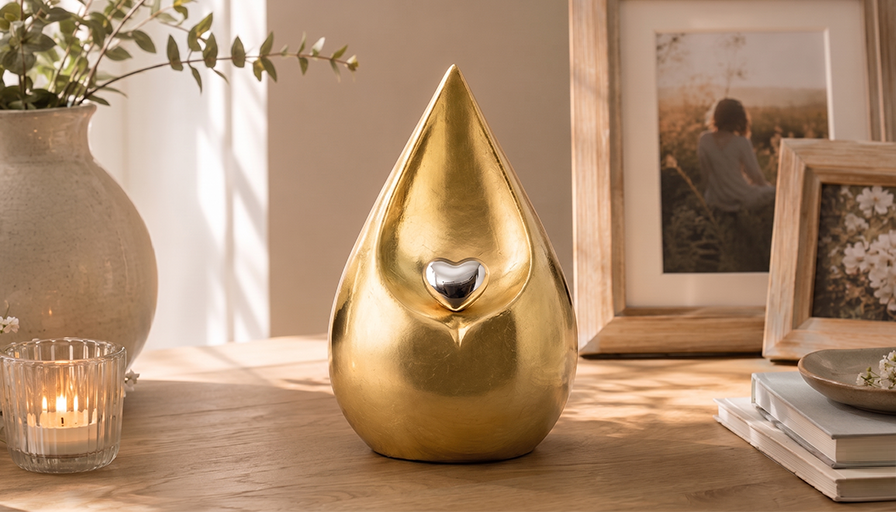
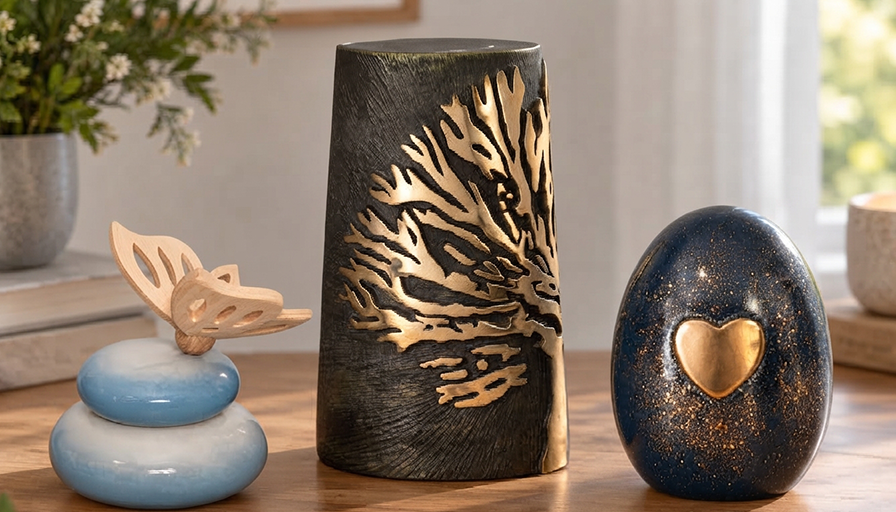
A keepsake urn can also be meaningful, especially for road trips, visits to family homes or stays in places connected to the person being remembered. Unlike a full-size urn, a keepsake urn is compact and intended to hold only a small portion of ashes.
Many families choose keepsake urns when several relatives wish to share remembrance while living in different places.
Personal Memorial Objects
Not every travel tribute needs to contain ashes. A handwritten letter, favourite photograph, pressed flower, wedding ring, medal, scarf, prayer card or another treasured object can carry strong meaning during a journey.
For some people, these personal items feel more appropriate than travelling with cremated remains.
Travelling With Cremated Ashes
If you plan to travel with cremated remains, preparation is essential. Airlines, airports, border authorities and destination countries can have different requirements. Always check the rules of your airline, departure airport, destination and any relevant customs authority before you travel.
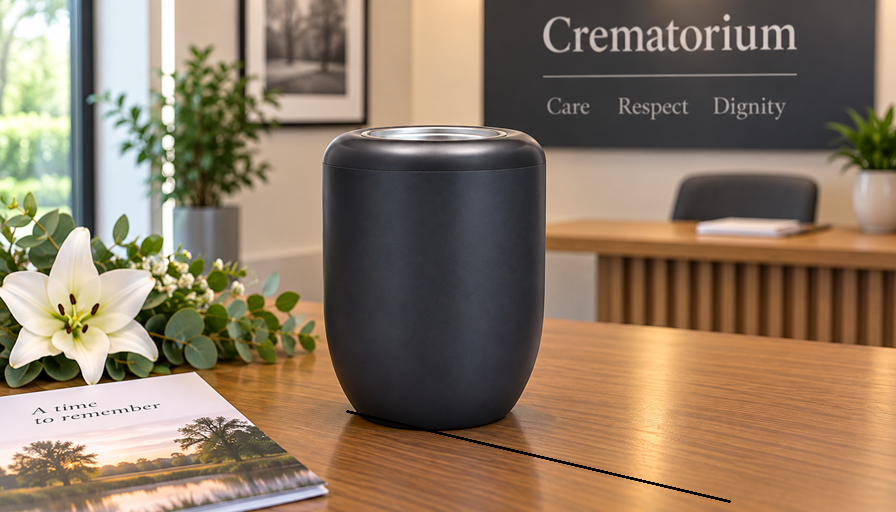
Documentation from the crematorium or funeral provider may be required, especially for international travel. A secure, clearly labelled and travel-appropriate urn or container can also help avoid problems during checks.
If your intention is to scatter ashes during the journey, check local regulations well in advance. Permission may be needed from landowners, local authorities, national parks, cemeteries, beaches, waterways or protected natural areas.
Practical note: Do not assume that ashes can be carried, opened, scattered or buried anywhere without permission. Rules can vary by location, and it is better to check before making emotional plans around a specific place.
Creating Meaningful Rituals While Travelling
A memorial journey does not need a formal ceremony to feel significant. Often, the simplest moments become the ones that stay with you longest. Taking time to pause, reflect and acknowledge your loved one can give a trip a deeper sense of purpose without making it feel overwhelming.
Rather than planning one large event, many people find comfort in small rituals that fit naturally into the journey.
Watch a Sunrise or Sunset
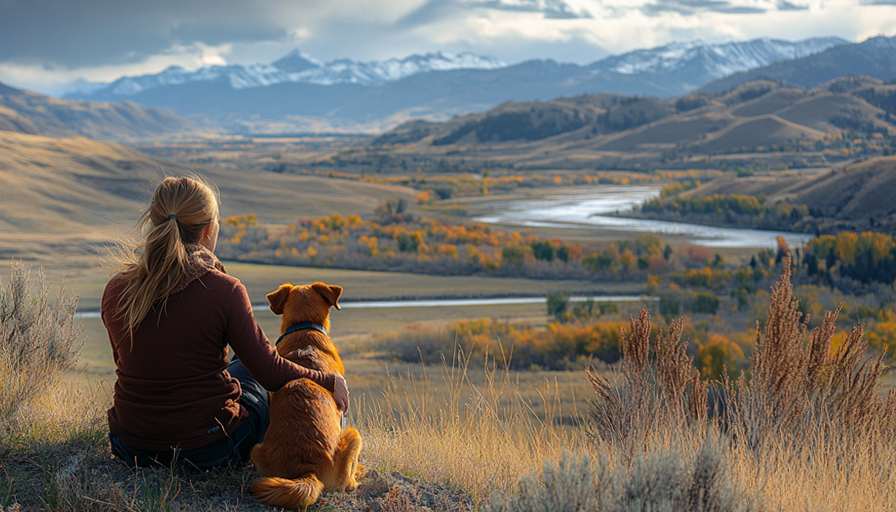
Beginning or ending a day by watching the sunrise or sunset can become a quiet moment of remembrance. Whether overlooking the sea, mountains, countryside or a familiar town, these peaceful moments often encourage reflection without requiring words.
Write a Letter
Bringing a notebook and writing a letter to your loved one during your travels can be meaningful. You might describe the places you have visited, the people you have met, or the thoughts that came to mind along the way.
Some people keep these letters in a memory box after returning home. Others read them privately in a meaningful place as part of their tribute.
Carry Forward a Favourite Tradition
If your loved one enjoyed local markets, wildlife, churches, museums, gardens, sea views, regional food or quiet walks, consider continuing that tradition during your own travels. Familiar activities can create moments of connection that feel natural rather than forced.
Should You Scatter Ashes During a Trip?
Scattering ashes while travelling is a deeply personal decision. For some families, it feels like the most fitting farewell. Others prefer to keep ashes together in an urn and honour their loved one through visits, rituals and shared memories instead.
Before making plans, think beyond the beauty of the location. Ask whether future family members may wish to visit the place, whether scattering is permitted, and whether the setting truly reflects the wishes of the person being remembered.
If scattering ashes feels right, choose a location for its significance rather than its popularity. A quiet woodland path, favourite beach, peaceful hilltop, family garden or place connected to shared memories may carry more meaning than a famous landmark.
Always obtain permission where required. In the UK, rules can differ depending on whether land is privately owned, publicly managed, protected, coastal, part of a cemetery, or connected to a waterway. When in doubt, ask the relevant landowner, local authority or managing organisation before scattering ashes.
Travelling Together as a Family
Memorial travel can also strengthen family connections. Sharing stories while visiting places that mattered to someone you love often encourages conversations that might not happen at home.
Children may find it easier to express memories while walking, exploring or taking part in simple activities than during formal remembrance moments. A journey can make family history feel more real and accessible.
Ideas include:
- preparing your loved one’s favourite meal during the trip
- visiting a location they always enjoyed
- creating a shared travel journal with notes from each family member
- collecting a small natural keepsake where permitted, such as a pebble or pressed leaf
- taking one family photograph at every destination as an ongoing tradition
Documenting the Journey
Many memorial journeys become treasured family stories. Recording the experience allows those memories to remain accessible long after the trip has ended.
Rather than focusing only on photographs, consider documenting thoughts, conversations, places and unexpected moments that made the journey meaningful.
Some families create printed photo books that combine images with personal reflections. Others keep a handwritten journal or assemble a memory box containing maps, tickets, postcards and small souvenirs collected along the way.
These personal records can become family keepsakes, especially when they include stories that younger generations may not have heard before.
When Travel Feels Too Soon
Not everyone feels ready to travel after a loss, and there is no timetable that determines when the moment is right. If the idea of travelling feels overwhelming, begin with something smaller.
A day trip to a favourite local place, a walk through a familiar landscape, a visit to a garden, or an overnight stay somewhere peaceful can offer many of the same benefits without requiring extensive planning.
As confidence grows, longer journeys may feel more comfortable. There is no need to rush the process or compare your experience with anyone else’s.
Common Mistakes to Avoid
Planning a memorial journey often involves emotional as well as practical considerations. Avoiding a few common mistakes can make the experience more meaningful and less stressful.
- Do not assume every destination allows ashes to be scattered without permission.
- Avoid travelling with cremated remains before checking airline and customs requirements.
- Choose memorial items that are durable and suitable for travel.
- Allow flexibility in your itinerary rather than trying to plan every moment.
- Discuss expectations with family members before travelling together.
- Avoid putting pressure on the journey to provide instant closure.
Creating Traditions Beyond One Journey
Many people discover that a single memorial trip becomes the beginning of a new family tradition. Returning to the same destination each year, exploring a new place on a meaningful anniversary, or simply taking time to remember someone during each holiday can create lasting continuity.
These traditions often evolve naturally. What begins as a quiet personal journey may later become an annual gathering involving children, grandchildren and close friends, helping stories continue to be shared for many years.
The destination itself is only part of the experience. What matters most is the intention behind the journey and the memories you choose to carry forward.
Frequently Asked Questions
Is travelling after losing a loved one a healthy way to remember them?
For many people, yes. Travelling can provide time for reflection while creating positive new memories connected to the life of someone you love. The experience is most meaningful when it reflects their personality, interests or shared experiences.
Can I take cremated ashes on an aeroplane?
In many cases this may be possible, but airline policies and border requirements differ. Contact your airline before travelling and check what documentation may be required. International travel may involve additional customs procedures.
Should I scatter ashes while travelling?
Only if it aligns with your family’s wishes, the wishes of the person who died, and local regulations. Many people prefer to keep ashes in an urn while honouring their loved one through meaningful travel experiences instead.
What is the best memorial item to travel with?
Many people choose memorial jewellery because it is discreet, secure and easy to carry. Others prefer a keepsake urn or a meaningful personal object that reminds them of their loved one.
Can memorial travel include children?
Yes. Involving children through storytelling, photographs, journaling or simple remembrance traditions can help them feel connected to family history in an age-appropriate way.
What if my loved one never enjoyed travelling?
The journey does not have to reflect travel itself. Instead, choose a destination or activity that represents something they loved, whether that is nature, gardening, music, history, faith, family or a particular place.
Honouring a Life Through Meaningful Journeys
Travelling in memory of someone special is not about replacing traditional forms of remembrance. It offers another way to celebrate a life that continues to shape your own. Whether you visit a favourite destination, carry a keepsake close to your heart or begin a new family tradition, each journey can become a quiet expression of love, gratitude and remembrance.
If you decide to bring a memorial keepsake with you, choosing an item that suits your lifestyle can provide comfort wherever life leads. Memorial jewellery, keepsake urns and personalised remembrance pieces allow memories to remain close while respecting both everyday life and special occasions.
Whatever form your tribute takes, the most meaningful journeys are rarely measured by distance. They are measured by the memories you revisit, the stories you continue to tell and the connection you choose to carry forward.
You can explore our collection of memorial jewellery, compare keepsake urns or contact us via the contact form if you need help choosing a travel-friendly memorial keepsake.