Start with what you want to do with your pet’s ashes
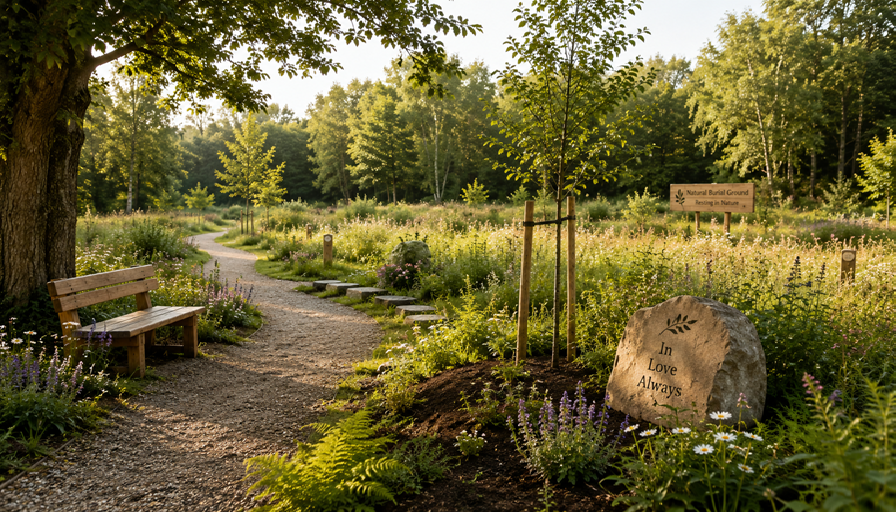
Choosing an eco-friendly pet urn becomes easier when you start with the final destination rather than the appearance of the urn. A container designed for burial serves a different purpose from a water-soluble urn, a planting system or an urn intended to remain at home.
This distinction is important because terms such as eco-friendly, natural and biodegradable are sometimes used as if they mean the same thing. They do not. An urn may be made from recycled or responsibly sourced materials without being intended to decompose. A biodegradable urn is specifically designed to break down under suitable conditions.
A simple starting point: decide whether you want to bury the ashes, place them in water, scatter them, create a living memorial or preserve them at home. That decision determines which material and type of urn are worth considering.
| What do you want to do? | Option to consider | Most important check |
|---|---|---|
| Bury the ashes | Biodegradable burial urn | Is the urn specifically designed to break down in soil? |
| Place the urn in water | Water-soluble urn | Is it intended for water and does it float or sink? |
| Create a living memorial | Plantable memorial system | How are the ashes combined with or separated from the roots? |
| Scatter the ashes | Scattering urn or tube | Can the ashes be released safely and in a controlled way? |
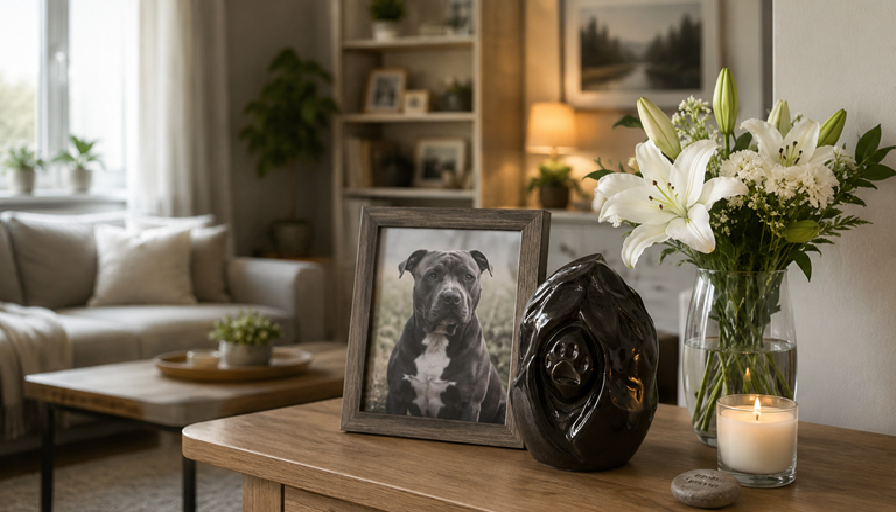
| Keep the ashes at home | Durable pet urn | Is the material suitable for long-term preservation? |
If you already know that burial, water placement or another return to nature is part of your plan, you can compare our biodegradable pet urns. The individual product information is important because not every biodegradable urn is designed for the same environment.
If you are still deciding what you would like to do with the ashes, our guide to what to do with your dog’s ashes looks at a wider range of memorial ideas beyond urns.

When is a biodegradable burial urn suitable?
A biodegradable burial urn is designed for situations in which the container itself is intended to return gradually to the earth. Rather than remaining permanently intact, the material breaks down as it is exposed to moisture, microorganisms and soil conditions.
The actual rate of decomposition depends on the material and the environment. Soil composition, moisture, temperature, thickness and construction can all influence how quickly this happens.
For that reason, an exact statement such as “fully decomposes within six months” should only be relied on when the manufacturer explains the conditions under which that estimate applies.
Check the material, not only the label
Biodegradable burial urns can be made from materials such as paper, natural fibers, untreated wood or plant-based compounds. However, the base material alone does not determine whether the complete urn is suitable for burial.
Coatings, paints, adhesives, plastic components and metal fittings may affect how the product breaks down. If natural burial is important to you, check the construction of the complete urn and its intended use.
Check the location before burial
A biodegradable urn does not automatically make burial acceptable at every location. Private property, cemeteries, memorial gardens, parks and protected land can all be subject to different conditions.
Before choosing the burial site, check ownership and any requirements that apply to that specific location.
When is a water-soluble pet urn appropriate?
A water-soluble pet urn is intended for a farewell in which the urn itself is placed in water. Depending on its construction, it may remain on the surface briefly, sink gradually or begin to break down soon after entering the water.
This behavior is part of the ceremony and should be checked before choosing the product. If you imagine watching the urn float for a short period, a design intended to sink immediately will create a very different experience.
Water-soluble designs may use materials such as salt, sand, paper or other compounds intended to break down in water. An urn intended for soil burial should not automatically be assumed to be suitable for water.
Before choosing a water urn: check whether the product is specifically designed for water placement, how it behaves after entering the water and what rules apply to the exact location you intend to use.
How do living memorials and plantable urns work?
A living memorial uses a tree, plant or flowers as part of the remembrance. Some systems combine this with a biodegradable urn or another container designed to be incorporated into the planting process.
The important point is that cremated remains should not simply be treated as ordinary fertilizer. Cremated ashes contain concentrated mineral salts and can alter soil conditions around young roots.
Purpose-designed planting systems may therefore keep the ashes separate from the initial root zone, mix them with additional material or use a method intended to reduce their concentration around the plant.
Choose the planting system before choosing the plant
If you are considering a living memorial, look at how the complete system works. Then consider which plant or tree is suitable for the actual location.
Climate, soil, sunlight, water availability and the mature size of a tree all matter. A species chosen mainly for its symbolism may not thrive if it is poorly suited to the local conditions.
Important: avoid assuming that adding concentrated cremated ashes directly to the roots of a young plant will help it grow. Follow the instructions supplied with a purpose-designed planting memorial.
What if you want to scatter the ashes?
If the ashes will be scattered rather than buried with the urn, a scattering container can be more practical than a biodegradable burial urn.
A scattering urn or tube is designed to make handling and releasing the ashes easier. This can be useful when the ceremony takes place outdoors, where wind and access to the location may affect how the ashes can be released.
The container itself does not necessarily need to be buried or left behind. This makes scattering a separate choice from biodegradable burial, even though both may form part of a nature-based memorial.
Is a durable pet urn sometimes the more appropriate choice?
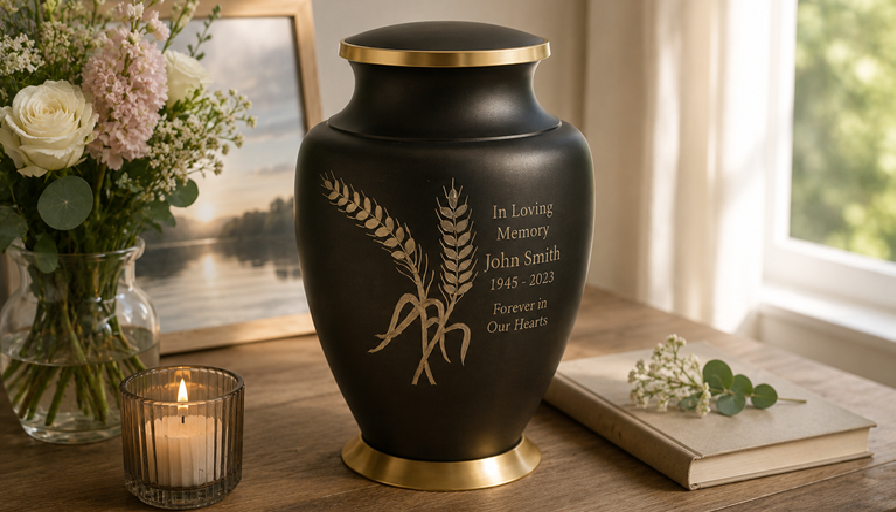
Yes. If the ashes will remain at home permanently, durability may be more relevant than biodegradability.
A ceramic, metal, stone or durable wooden pet urn is generally designed to protect the ashes for many years. Choosing a biodegradable container simply because it sounds more environmentally responsible does not necessarily add a functional benefit when permanent preservation is the actual goal.
Environmental considerations can still influence that choice. Material origin, manufacturing, durability, packaging and finishes may all matter even when the urn is not biodegradable.
Returning to the earth
Look for a biodegradable urn specifically designed for soil burial.
Farewell on water
Use an urn specifically intended to break down in water and check its floating or sinking behavior.
Keeping the ashes
Choose a durable material when long-term preservation is more important than decomposition.

How much capacity does a pet urn need?
Regardless of the type of memorial you choose, the urn needs enough capacity for the ashes returned after cremation.
The amount of ashes varies according to factors such as the size and bone structure of the animal and the cremation process. Body weight can provide a useful estimate, but it does not determine the final volume with complete accuracy.
If possible, ask the pet crematorium approximately how much ash will be returned. Compare this with the stated capacity of the urn before making your final choice.
If the exact volume is uncertain and two suitable sizes are available, the larger capacity usually provides more flexibility. An urn does not need to be completely full.
Can an eco-friendly pet urn be personalized?
Personalization depends on the material and intended use of the urn. Some paper, fiber or wooden designs can include a name, dates, a paw print, photograph or short message.
If the complete urn is intended to biodegrade, consider the materials used for the personalization as well. Plastic decorations, synthetic ribbons, metal parts or other permanent additions may not suit the purpose of a memorial intended to return naturally to the environment.
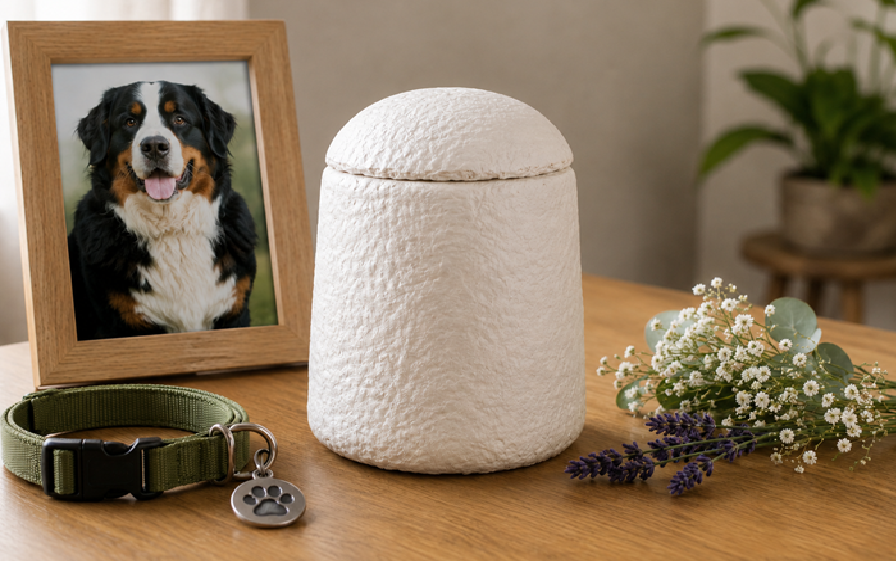
A simple name or symbol can be sufficient. Photographs, collars, tags and other keepsakes can also be displayed separately rather than attached permanently to the urn.
What does biodegradable actually mean?
Biodegradable means that a material can be broken down through natural biological processes under suitable conditions. It does not mean that every biodegradable product disappears immediately, nor does the word describe how quickly decomposition will occur in every environment.
A material may break down relatively readily in moist soil but much more slowly in a dry setting. Thickness, coatings, adhesives and other components can also influence the process.
When comparing products, specific information about material and intended use is therefore more useful than broad terms such as “green,” “eco” or “natural.”
Common mistakes when choosing an eco-friendly pet urn
Choosing by appearance alone
Natural colors, wood grain and stone-like textures do not prove that an urn is biodegradable. Style and material properties should be considered separately.
Assuming biodegradable means suitable for water
A soil burial urn and a water-soluble urn are designed for different conditions. Always check the intended use.
Choosing the design before checking capacity
External dimensions do not tell you exactly how much ash an urn can contain. Compare the stated internal capacity with the volume you need.
Assuming biodegradable automatically means environmentally preferable
The wider environmental impact of a product can involve raw materials, manufacturing, transportation, packaging, coatings, durability and end-of-life use. No single label describes all of these factors.
Forgetting what happens after the ceremony
A living memorial needs ongoing care. A burial location may or may not remain accessible in the future. A water ceremony may take place very differently depending on whether an urn floats or sinks. Thinking beyond the day itself can make the choice clearer.
US considerations before burial, scattering or water placement
In the United States, requirements for burying, scattering or placing pet ashes in water can depend on the exact location and who manages it.
Private property, cemeteries, memorial gardens, city or county parks, state land, federal land and waterways may each be subject to different rules or permission requirements.
Check the rules for the specific place before the ceremony. If land or water is managed by an organization, park authority, cemetery, government agency or private landowner, ask what is permitted there.
Remember: whether an urn is biodegradable and whether you are allowed to place it at a particular location are two separate questions.
Frequently asked questions about eco-friendly pet urns
What is the difference between an eco-friendly and biodegradable pet urn?
Eco-friendly is a broad description that can refer to materials, sourcing, production or other environmental considerations. A biodegradable urn is specifically intended to break down through natural processes under suitable conditions.
How long does a biodegradable pet urn take to decompose?
There is no single timeframe. Material, construction, moisture, temperature and soil conditions can all influence decomposition. Use manufacturer estimates only in relation to the conditions stated for the product.
Can I keep a biodegradable pet urn at home?
Often for a period of time, provided it is stored correctly and kept away from unsuitable moisture. For permanent storage of the ashes, a durable urn will generally be more appropriate.
Can pet ashes be used to grow a tree?
They can form part of a living memorial, but concentrated cremated ashes should not simply be treated as ordinary potting soil. Use a planting method specifically designed to manage the ashes in relation to the plant and its roots.
Can a biodegradable pet urn be placed in water?
Only choose an urn specifically designed for water placement. An urn made for soil burial may not float, sink or break down in the way you expect in water.
Are wooden pet urns biodegradable?
Not automatically. Although wood itself is a natural material, paints, varnishes, adhesives, metal fittings and construction methods can affect whether a finished urn is appropriate for burial.
What if I have not decided what to do with my pet’s ashes?
You do not need to make a permanent decision immediately. The ashes can remain securely stored while you consider burial, scattering, water placement, a living memorial or long-term preservation.
Choose by destination, not by label
There is no single eco-friendly pet urn that suits every situation. A biodegradable burial urn, water-soluble urn, scattering container, planting system and permanent pet urn each solve a different practical need.
Start by deciding what you eventually want to happen to the ashes and to the urn itself. Then compare the capacity, material and construction required for that particular purpose.
If returning the urn to nature is already part of your plan, view our biodegradable pet urns. If you intend to preserve the ashes permanently, you can instead compare our broader collection of pet urns for ashes.
If you have questions about the capacity, material or intended use of a particular urn, please contact us through the legendURN contact form.