Can You Bury Cremation Ashes in Your Garden?
Burying cremation ashes in a private garden may be possible in the UK, but the arrangements depend on the land, any relevant restrictions and the circumstances of the proposed burial.
For some families, a garden provides a quiet and familiar place to remember someone they love. It may be close to the home they shared, a favourite tree or a part of the garden that holds particular memories.
Before choosing a burial location, however, it is important to establish who owns the land, whether any restrictions apply and whether the chosen area is suitable.
England, Wales, Scotland and Northern Ireland have different legal frameworks. Local circumstances can also affect what is appropriate. Where there is uncertainty, seek guidance from the relevant local authority or another suitably qualified adviser.
At a glance: Burying cremation ashes in a private garden may be possible with the landowner's agreement, subject to any applicable restrictions. Consider underground services, soil conditions, future building work and whether family members will still be able to visit if the property is sold.
Why Do Families Choose to Bury Ashes in a Garden?
The reasons for choosing a garden burial are often deeply personal. A familiar outdoor space may feel more meaningful than a traditional cemetery or crematorium memorial garden.
To Feel Close to Someone They Love
Some families find comfort in having a resting place close to home. A favourite chair overlooking the garden, a quiet corner or a familiar tree can become part of everyday remembrance.
For others, having the ashes nearby creates a private space where they can reflect without travelling to a cemetery.
There is no single way to experience grief, and not everyone will find the same type of memorial comforting.
To Honour Their Wishes
A person may have expressed a wish for their ashes to rest somewhere familiar, such as a garden they loved or a place associated with meaningful memories.
When that wish is practical and permitted, arranging a burial in the chosen location may help family members feel that they are respecting the person's preferences.
For Privacy and Reflection
A private garden may offer a peaceful setting for remembrance without the visiting arrangements or opening hours associated with some managed burial grounds.
Families can choose a quiet moment to reflect, place flowers or spend time near the memorial, provided the land remains accessible to them.
To Avoid Some Cemetery Costs
For some families, cost is also a consideration. Cemetery burials may involve charges for burial rights, opening and closing a grave, administration and memorial features.
A garden burial may avoid some of those charges, although there can still be costs associated with an urn, memorial planting, landscaping or professional advice.
Costs vary considerably by location and arrangement, so it is not helpful to assume that every formal ashes burial has one standard price.
Legal Considerations for Garden Ashes Burials in the UK
Before burying cremated remains outside a managed cemetery, establish the legal and practical position of the proposed location.
There is no single rule covering every garden burial circumstance across all four UK jurisdictions. The ownership and use of the land, applicable restrictions and the specific arrangements should be considered.
Private Land You Own
If you own the property, you should still check whether any restrictions affect the proposed burial location.
Ownership does not automatically mean that every part of the land can be used without considering other requirements.
Check the property's legal arrangements, any relevant covenants or restrictions, and local or environmental considerations where applicable.
In England, local authorities may provide guidance on burials on private land. For example, Tandridge District Council's garden burial guidance discusses planning considerations, possible environmental implications, burial records and future property ownership.
This is local guidance rather than a nationwide rule. Other councils and UK jurisdictions may have different requirements.
Also consider the location of underground cables, water pipes, drainage systems and any area where future building work might take place.
Leasehold Property or a Rented Home
If the property is rented or held under a lease, the person occupying it may not have the unrestricted right to bury cremated remains in the garden.
Check the lease or tenancy agreement and obtain written permission from the person or organisation with the relevant authority over the land.
Written permission can help avoid misunderstandings, but it does not override other applicable restrictions.
Even if you expect to remain at the property for many years, consider what will happen to the memorial if you move.
Public Land and Informal Locations
Public parks, woodland, nature reserves and other shared spaces are different from privately owned gardens.
Before considering a burial, identify the landowner or managing authority and ask whether the interment of cremated remains is permitted.
Permission to scatter ashes should not be assumed to include permission to bury them. Scattering and interment are different arrangements and may be subject to different rules.
Protected landscapes and environmentally sensitive areas may have additional restrictions.
Important: Do not bury ashes on land belonging to another person or organisation without the necessary permission. If the legal or environmental position is unclear, obtain appropriate local guidance before making arrangements.
Environmental Considerations Before Burying Ashes
A garden burial can be a personal form of remembrance, but the chosen location should also be suitable for the surrounding environment.
Think about soil conditions, existing plants, drainage, local wildlife and the materials used for the urn or memorial.
How Cremation Ashes May Affect Soil
Cremated human remains consist mainly of mineral material derived from bone. They are generally alkaline and can contain soluble salts.
Placing a concentrated quantity of ashes directly into the soil may affect the immediate growing conditions for certain plants, particularly young or sensitive plants.
This does not mean that ashes will always damage the surrounding garden, but they should not be treated as ordinary compost or fertiliser.
Avoid placing concentrated ashes directly against delicate roots or newly planted seedlings without appropriate horticultural guidance.
Adding compost should not be assumed to neutralise the effects of cremated remains. If you want to create a planted memorial, consider the needs of the chosen plants and seek advice about suitable soil and planting arrangements.
Choosing a Biodegradable Urn
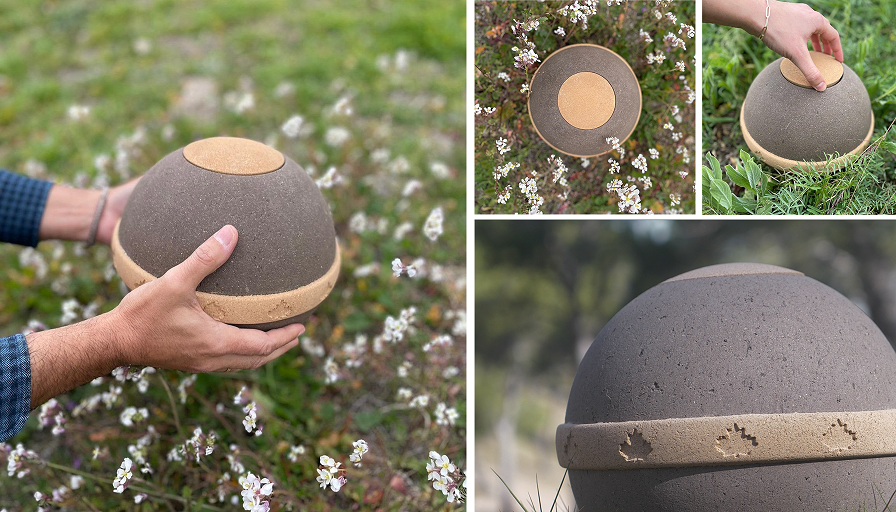
A biodegradable urn may be appropriate when the intention is to allow the container to break down gradually after burial.
These urns can be made from materials such as paper, natural fibres, bamboo, wood or other biodegradable substances.
The time needed for the container to break down depends on its material, construction, moisture and soil conditions.
Not every biodegradable urn is designed for earth burial. Some products are intended for water placement or scattering instead.
Always check the product's intended use before choosing it for a garden burial.
Our collection of biodegradable urns for ashes includes different materials and memorial uses. The individual product description should confirm whether an urn is suitable for burial in soil.
Protecting the Burial Location
A suitable location should be chosen with future garden maintenance and possible ground disturbance in mind.
Consider whether the ground is likely to be dug over, landscaped or affected by construction work.
Where wildlife regularly digs, avoid areas that could be easily disturbed and seek practical local advice about protecting the resting place.
Burial depth depends on the circumstances and any relevant requirements. A particular depth should not be assumed to provide guaranteed protection.
Using Natural Memorial Markers
A natural marker can help identify the resting place without creating a large or permanent structure.
Some families choose a carefully placed stone, a small memorial plaque, a planted shrub or another discreet feature.
Consider whether the marker is stable, suitable for the garden and likely to remain in place over time.
It is also sensible to keep a written record of the burial location, particularly if the marker could eventually be moved or become difficult to identify.
Garden Memorial Ideas for Cremation Ashes
Once the location has been chosen, a small memorial can help create a peaceful and personal place for remembrance.
The memorial does not need to be elaborate. A simple planting arrangement or familiar place to sit may be enough.
Planting a Tree, Shrub or Flowers
Plants can give a memorial a living connection with the changing seasons. Choose varieties suited to the garden's soil, light and available space.
- Memorial tree: Choose a species with an appropriate mature size and root system for the location.
- Flowering shrub: A shrub can provide seasonal colour and a relatively discreet memorial.
- Wildflowers: Where conditions allow, a suitable wildflower area can create a natural space for reflection and may support local pollinators.
When planting, consider the location of the ashes and avoid placing concentrated cremated remains directly against sensitive young roots.
Creating a Dedicated Memorial Space
A small area of the garden can be arranged as a place to sit, reflect or remember someone you love.
- Memorial bench: A bench in a favourite part of the garden may provide a comfortable place for quiet reflection. Position any structure so its foundations or future maintenance will not disturb the burial.
- Rockery: A small rockery may combine plants, natural stones and a discreet memorial plaque.
- Memorial stone: An engraved stone can mark the location without requiring a larger monument.
Before installing heavier structures or undertaking landscaping, consider whether foundations or future maintenance could disturb the resting place.
What Happens If You Move House?
The possibility of selling the property is one of the most important long-term considerations when choosing a private garden burial.
A garden may feel like a permanent family space today, but ownership and access can change in the future.
If the property is sold, relatives should not assume they will retain permission to enter the garden and visit the memorial.
It may also be difficult to recover cremated remains later, particularly if the original urn has deteriorated or the ashes were buried directly in the soil.
In some circumstances, removing previously interred cremated remains can require legal authorisation or an exhumation licence. The requirements depend on the burial location and the applicable jurisdiction.
For example, Tandridge District Council's published guidance warns that the disturbance of buried human remains, including cremated remains, can require permission and a licence. Families should confirm the current legal process with the relevant authority before attempting removal.
Before choosing a garden burial, ask yourself whether the location would still feel appropriate if the family no longer lived at the property.
Keep an accurate record of where the ashes are buried. Where relevant, seek advice on recording this information with the property's documents and communicating it during a future sale.
Planning ahead: Permission to bury ashes does not automatically provide permission to recover them later. Property ownership, access rights, the condition of the remains and the applicable exhumation rules may all affect a future relocation.
Will Family Members Be Able to Visit?
Garden burials may be especially meaningful for relatives who live nearby. However, other family members may find the location difficult to visit.
If relatives live in different parts of the UK or abroad, consider whether a private garden provides the access they would want over time.
A cemetery or managed memorial garden may offer a more publicly accessible alternative, although visiting arrangements and long-term access still depend on the individual site.
It may be helpful to discuss these expectations with close family members before choosing the burial location.
Alternatives to Burying Ashes in a Garden
A private garden burial is not the right choice for every family. Other arrangements may provide a more suitable place for remembrance.
Scattering the Ashes
Some families choose to scatter cremation ashes in a meaningful location, such as a garden, woodland or coastal setting, where permission and applicable guidance allow.
Scattering is different from burying an urn or ashes in the ground. The practical and environmental considerations may also differ.
Keeping the Ashes at Home
Keeping cremation ashes at home can give families more time to decide on a permanent resting place.
A decorative urn, small keepsake or another suitable memorial container may be chosen according to the family's wishes.
Choosing a Managed Memorial Location
A cemetery, crematorium garden or natural burial ground may be more appropriate for families who want a formally recorded resting place.
For a wider overview of burial choices, read our guide to burying ashes after cremation in the UK.
Why the Long-Term Location Matters
A garden burial may offer a familiar and peaceful memorial for many years. However, gardens and the land around them can change.
Land may be sold, neighbouring areas may be redeveloped and access to an informal memorial location may become more difficult.
Managed cemeteries and memorial gardens offer a different arrangement, often with dedicated burial records and established procedures for interments and visiting.
Neither choice is automatically right for every family. The important consideration is whether the intended resting place is suitable both now and in the years ahead.
Frequently Asked Questions About Burying Ashes in a Garden
Can I Bury Cremation Ashes in My Garden in the UK?
A private garden burial may be possible, but the landowner must agree and any relevant restrictions should be checked. Requirements and practical considerations may differ depending on the location and UK jurisdiction.
How Deep Should Ashes Be Buried?
There is no single burial depth that applies to every cremation ashes burial in the UK. For a garden burial, the appropriate depth depends on site conditions and any applicable requirements. Future gardening or building work should also be considered.
Our separate guide to how deep cremation ashes should be buried explains soil coverage, urn dimensions and the measurements to check before preparing a burial site.
Do I Need to Inform Anyone If I Bury Ashes on My Property?
Requirements depend on the location and circumstances. Do not assume that the same notification or permission rules apply throughout the UK.
Check the property's ownership and restrictions, and seek guidance from the local authority or a suitable adviser where necessary.
Keeping an accurate record of the burial location is advisable, particularly if the property may be sold.
Can I Bury Ashes in the Garden of a Rented Property?
Do not proceed without checking the tenancy agreement and obtaining permission from the person or organisation authorised to approve use of the land. Written permission is advisable, but other restrictions may still apply.
Will Burying Ashes Affect the Plants in My Garden?
Cremated remains are generally alkaline and can contain soluble salts. Concentrated ashes may affect the immediate soil conditions and certain plants. Seek horticultural advice if you are planning a planted memorial, particularly around young roots.
Do I Need a Biodegradable Urn for a Garden Burial?
Not necessarily. The right container depends on the intended burial arrangement and any applicable restrictions. A biodegradable urn designed for earth burial may be suitable when the family wants the container to break down over time.
Can I Recover the Ashes If I Sell My House?
Recovery may be possible in some circumstances, but it should not be assumed. Depending on the location and jurisdiction, removing buried cremated remains may require legal authorisation or an exhumation licence.
Recovery can also be affected by the condition of the original urn, landowner access and whether the cremated remains have become mixed with surrounding soil.
Before attempting removal, contact the relevant local authority or burial regulator to establish which procedure applies. Do not assume that permission for the original burial is sufficient for a later excavation.
Choosing a Meaningful and Practical Memorial
Burying cremation ashes in a garden can create a peaceful resting place close to home, but the decision deserves careful consideration.
Before proceeding, check landowner permission, relevant restrictions, the physical suitability of the location and the effect that future changes to the property might have on the memorial.
Think about how family members will visit, how the burial location will be recorded and whether the chosen urn is suitable for the intended use.
With these arrangements considered, a simple garden memorial can become a meaningful place for remembrance while respecting the practical responsibilities associated with a private burial.
If you have questions about choosing an urn for a planned burial, please feel free to contact us through the legendURN contact form.